Why RWA infrastructure matters now
The crypto market has spent years oscillating between speculative mania and regulatory crackdowns. For enterprises, this volatility is a liability, not an opportunity. The current inflection point is the shift from trading digital tokens to integrating real-world assets (RWA) as core treasury and operational infrastructure. This is no longer about buying Bitcoin; it is about using blockchain to settle invoices, tokenize commercial real estate, and manage supply chain finance with immutable proof.
Enterprise adoption strategy here is distinct from consumer crypto. It requires strict adherence to compliance frameworks, robust identity verification (KYC/AML), and interoperability with legacy ERP systems. The goal is to bridge the gap between traditional finance (TradFi) and decentralized finance (DeFi) without sacrificing regulatory control. By treating RWA as infrastructure, companies can unlock trapped value in illiquid assets while reducing settlement times from days to seconds.
The urgency is driven by margin compression and the need for operational efficiency. Traditional financial rails are slow and expensive. RWA infrastructure offers a programmable alternative that automates complex financial agreements. As major financial institutions begin to tokenize assets, the ecosystem is becoming a necessity for any enterprise looking to remain competitive in a digitized global economy.
Mapping the enterprise adoption market
The market for real-world asset (RWA) infrastructure is shifting from experimental pilots to structured deployment. For finance professionals, the central question is no longer whether tokenization works, but how it integrates with existing settlement layers. The current landscape is defined by a divergence between traditional banking rails and blockchain-native efficiency.
Traditional settlement systems, such as SWIFT or Fedwire, operate on batch processing with inherent latency. In contrast, RWA infrastructure enables near-instant finality. This difference is not merely technical; it is a strategic advantage for liquidity management. By reducing the time capital is tied up in transit, enterprises can optimize working capital and reduce counterparty risk.
To understand the scale of this shift, consider the liquidity dynamics of the underlying assets. Stablecoins and tokenized treasuries are increasingly becoming the bridge between traditional finance and digital assets. Their price stability and deep liquidity make them ideal settlement mediums for RWA transactions.
| Metric | Traditional Settlement | RWA Infrastructure |
|---|---|---|
| Settlement Time | T+1 to T+2 days | Minutes to Seconds |
| Cost per Transaction | High (intermediaries) | Low (gas fees) |
| Availability | Business Hours | 24/7/365 |
| Transparency | Limited (private ledgers) | Public/Permissioned Ledger |
The stability of these settlement layers is critical. A volatile medium of exchange undermines the utility of RWA infrastructure. Therefore, the market heavily favors assets with proven stability and regulatory clarity.
Essential tools for RWA integration
An enterprise adoption strategy for Real World Assets (RWA) cannot rely on generic blockchain explorers or retail wallets. It requires a specialized stack that bridges traditional financial infrastructure with distributed ledger technology. The primary challenge is interoperability: ensuring that tokenized assets can move seamlessly between private permissioned networks and public liquidity layers without losing compliance metadata.
To achieve this, enterprises must deploy middleware that handles identity verification (KYC/AML) at the protocol level. Without this, the "compliance-first" promise of RWA collapses under regulatory scrutiny. The tools selected must support standard interfaces like ERC-3643 or ERC-1400, which embed transfer restrictions directly into the token contract.
Compliance and Identity Layer
The foundation of any RWA infrastructure is the identity layer. Tools like Polygon ID or specialized KYC providers (e.g., Sumsub, Jumio) integrate with smart contracts to ensure that only verified wallets can hold or transfer specific asset classes. This is not optional; it is the regulatory license to operate.
Interoperability Bridges
For assets to have value, they must be liquid. Enterprises need bridge solutions that can move tokens between private institutional chains (like Hyperledger or Corda) and public networks (like Ethereum or Polygon). Look for bridges that offer atomic swaps and hold multi-signature security models to prevent exploits during cross-chain transfers.
Data Oracles
RWA prices are often derived from off-chain data (real estate valuations, commodity prices, interest rates). Reliable oracles like Chainlink are essential to feed this data into smart contracts accurately. Without trusted oracles, the automated execution of RWA agreements (such as dividend distributions) becomes impossible.
Recommended Infrastructure Guides
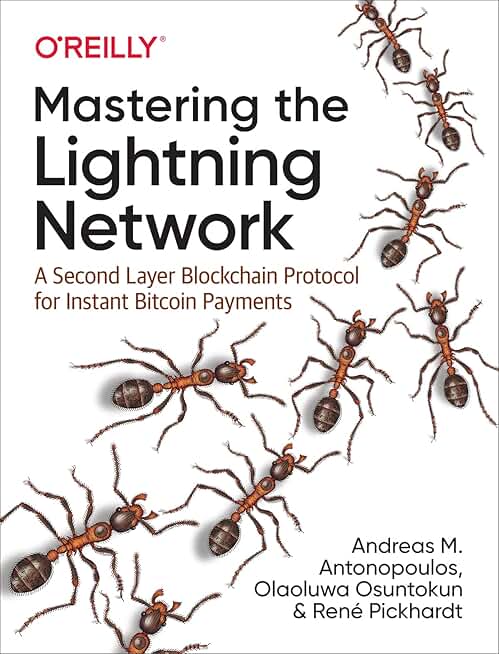
Building this stack is complex. The following resources provide technical blueprints for enterprise architects looking to understand the underlying infrastructure.


As an Amazon Associate, we may earn from qualifying purchases.
The goal is not just to issue a token, but to create a system that auditors, regulators, and institutional partners can trust. Start with compliance, then layer on interoperability.
Moving from pilot to production
Scaling an RWA pilot into a core enterprise system requires more than just technical integration; it demands rigorous operational discipline. The transition from a controlled test environment to full production is where most initiatives stall. To succeed, you must treat regulatory alignment and risk management not as afterthoughts, but as foundational pillars of the deployment strategy.
1. Finalize regulatory and legal frameworks
Before writing a single line of production code, ensure your legal structure is immutable. RWA infrastructure sits at the intersection of securities law, property rights, and digital asset regulations. You must map every tokenized asset to its underlying legal entity and custody arrangement. Engage counsel to verify that your smart contract logic aligns with local compliance requirements, such as KYC/AML protocols and investor accreditation standards. This step prevents costly retrofits and ensures that the digital representation of the asset is legally enforceable.
2. Harden technical infrastructure
Production environments require higher availability and security standards than pilot setups. Audit your smart contracts for vulnerabilities and ensure your node infrastructure is redundant and scalable. Integrate with established oracles for real-time data feeds, particularly if the RWA involves dynamic valuations or interest accruals. Test failover mechanisms thoroughly. The goal is to create a system that can handle peak transaction volumes without compromising the integrity of the ledger or the security of user data.
3. Establish operational workflows
Define clear roles and responsibilities for ongoing management. Who approves asset onboarding? Who handles dispute resolution? Who monitors oracle data feeds? Create Standard Operating Procedures (SOPs) for these events. Automation should handle the routine, but human oversight is essential for exceptions and edge cases. This operational clarity reduces friction and ensures that the RWA system remains compliant and functional over the long term.
4. Execute controlled rollout
Do not flip the switch for all users simultaneously. Begin with a limited group of trusted partners or internal stakeholders. Monitor system performance, transaction latency, and user feedback closely. Use this phase to identify any remaining bugs or usability issues. Once stability is confirmed, gradually expand access to the broader market, maintaining the ability to pause or adjust the system if anomalies arise.
5. Monitor, audit, and iterate
Production is not the end state; it is the beginning of continuous improvement. Implement real-time monitoring dashboards to track key performance indicators and security metrics. Schedule regular third-party audits of your smart contracts and operational processes. Use the data gathered to refine your strategy, improve user experience, and adapt to evolving regulatory landscapes. This iterative approach ensures that your RWA infrastructure remains robust and relevant.
Map every tokenized asset to its underlying legal entity and custody arrangement. Engage counsel to verify that smart contract logic aligns with local compliance requirements, such as KYC/AML protocols and investor accreditation standards. This prevents costly retrofits and ensures legal enforceability.
Audit smart contracts for vulnerabilities and ensure node infrastructure is redundant. Integrate with established oracles for real-time data feeds. Test failover mechanisms thoroughly to create a system that handles peak transaction volumes without compromising ledger integrity or user data security.
Define clear roles for asset onboarding, dispute resolution, and oracle monitoring. Create Standard Operating Procedures (SOPs) for these events. Automation should handle routine tasks, but human oversight is essential for exceptions, reducing friction and ensuring long-term compliance.

Begin with a limited group of trusted partners or internal stakeholders. Monitor system performance, transaction latency, and user feedback. Identify remaining bugs or usability issues, then gradually expand access to the broader market while maintaining the ability to pause or adjust if anomalies arise.
Implement real-time monitoring dashboards to track key performance indicators and security metrics. Schedule regular third-party audits of smart contracts and operational processes. Use data gathered to refine your strategy, improve user experience, and adapt to evolving regulatory landscapes.
Common questions about RWA adoption
Addressing specific concerns helps clarify how Real World Asset (RWA) infrastructure fits into broader enterprise adoption strategies. Below are answers to frequent questions from finance professionals evaluating this integration.
No comments yet. Be the first to share your thoughts!