Defining the enterprise adoption strategy
Enterprise adoption strategy is not a technology procurement exercise; it is a structural integration of blockchain into existing business workflows. The goal is to move beyond speculative asset trading and embed distributed ledger technology into core operations where it delivers measurable efficiency and clear governance.
This shift requires treating blockchain as infrastructure rather than a novelty. Successful strategies prioritize compliance, scalability, and interoperability with legacy systems. The focus moves from "what can we build on-chain" to "what operational friction can we remove with immutable records and automated smart contracts."
To achieve this, organizations must establish clear return-on-investment (ROI) metrics before deployment. Whether tracking supply chain provenance, automating trade finance settlements, or securing intellectual property rights, the value proposition must be quantifiable. Governance frameworks must be defined early to ensure that decentralized tools do not create regulatory blind spots or operational silos.
Core infrastructure requirements
Enterprise adoption of Web3 cannot rely on consumer-grade wallets or public testnets. The technical backbone must mirror the reliability of traditional financial infrastructure. This means moving beyond experimental setups to production-ready node infrastructure, robust interoperability layers, and institutional-grade security protocols. Without this foundation, scaling remains theoretical.
Node Infrastructure and Interoperability
Running your own nodes provides the sovereignty and data integrity required for high-stakes operations. However, managing this infrastructure at scale demands specialized tooling. Enterprises often turn to managed node providers or enterprise-grade blockchain clients that offer SLA-backed uptime and redundant data availability. This ensures that transaction finality and state verification are not bottlenecks.
Interoperability is equally critical. Web3 is inherently fragmented across multiple chains. To function as a unified enterprise system, infrastructure must support cross-chain messaging and asset bridging. Protocols like LayerZero or Chainlink CCIP enable seamless communication between disparate networks, allowing enterprises to build applications that are not siloed within a single blockchain ecosystem.
Security and Market Context
Security is not an add-on; it is the core product. Smart contract audits, multi-signature wallets, and hardware security modules (HSMs) are mandatory. The cost of a single exploit can erase years of strategic progress. Therefore, infrastructure must include real-time monitoring and automated response mechanisms to detect anomalies before they become breaches.
The volatility of crypto assets underscores the need for this robust infrastructure. Even stablecoins and enterprise tokens are subject to market fluctuations that can impact operational budgets. Understanding these dynamics is essential for planning.
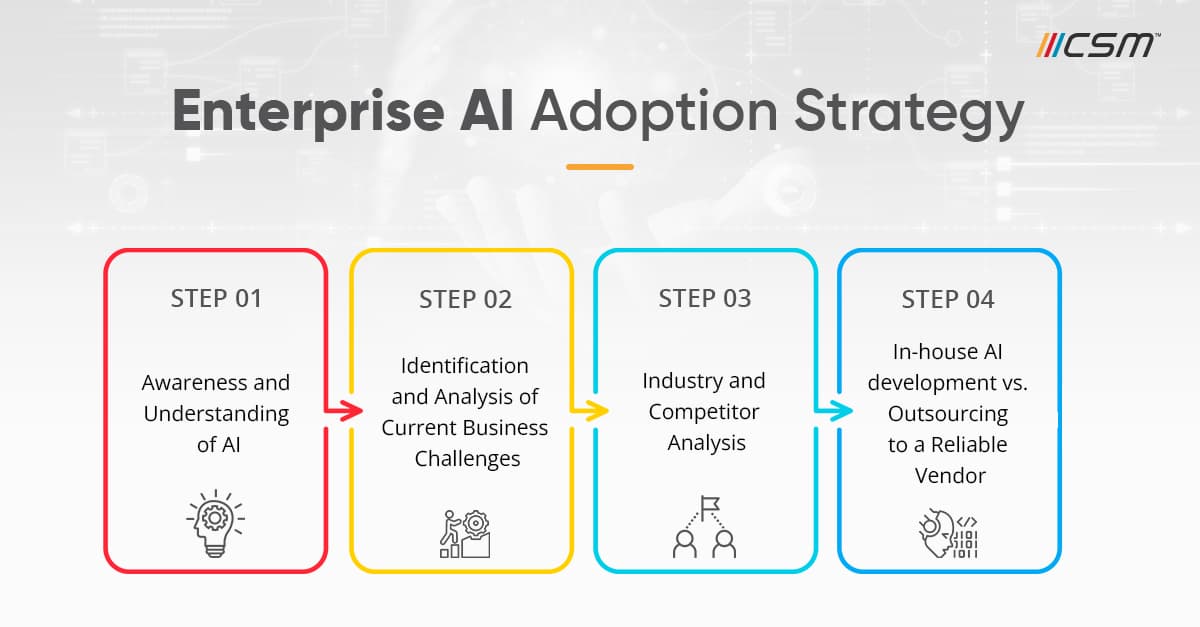
The image below illustrates how enterprise strategy integrates with broader technological trends, including AI and blockchain convergence. This holistic view is necessary for long-term viability.
Building this infrastructure requires careful selection of partners and tools. While specific software recommendations vary by use case, the underlying principles of redundancy, security, and interoperability remain constant. Enterprises that invest in these core requirements today will be better positioned to scale Web3 applications tomorrow.
Essential enterprise adoption tools
Scaling Web3 infrastructure requires a stack that balances developer velocity with institutional-grade compliance. The landscape has shifted from experimental prototypes to production-ready tooling that integrates seamlessly with existing enterprise systems. Choosing the right identity, compliance, and development frameworks is the difference between a successful pilot and a scalable product.
Enterprise adoption of Web3 is not just about technology; it is about integrating these tools into every layer of the business. As noted by industry analysts, the 10–20–70 rule applies here: 10% of effort goes to algorithms, 20% to data, and 70% to people and processes. The tools below are selected to support that final, critical 70% by reducing friction for non-technical stakeholders and ensuring regulatory alignment.
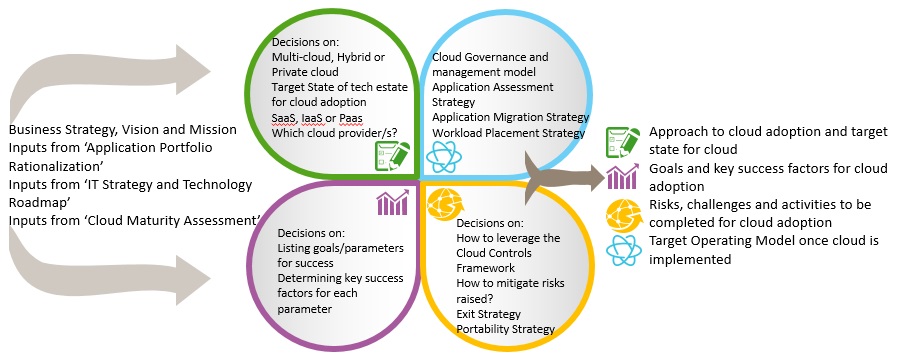
Comparison of Key Web3 Infrastructure Tools
Selecting the right infrastructure provider depends on your specific needs for security, scalability, and compliance. The table below compares three dominant platforms that support enterprise-grade Web3 applications.
| Tool | Primary Focus | Compliance Features | Scalability |
|---|---|---|---|
| Fireblocks | Asset Custody & Transfers | SOC 2, ISO 27001, Multi-sig | High |
| Chainlink | Oracle Data Feeds | Enterprise-grade SLAs | Cross-chain |
| ConsenSys Quorum | Permissioned Blockchain | GDPR-ready, Private data | High-throughput |
Identity and Compliance Solutions
Identity verification is the gatekeeper for enterprise Web3. Without robust Know Your Customer (KYC) and Anti-Money Laundering (AML) checks, financial institutions cannot safely onboard clients. Tools like Fireblocks provide institutional-grade custody with built-in compliance workflows, allowing enterprises to manage digital assets without exposing private keys to single points of failure.
For on-chain identity, decentralized identity (DID) standards are gaining traction. These tools allow users to prove credentials without revealing unnecessary personal data, aligning with privacy regulations like GDPR. This balance of transparency and privacy is essential for maintaining trust in high-stakes financial transactions.
Development Frameworks
Developers need frameworks that abstract away the complexity of blockchain interactions while maintaining security. ConsenSys Quorum offers a permissioned Ethereum client designed for enterprise use, providing private data transactions and high throughput. This is particularly useful for supply chain and financial applications where data privacy is paramount.
For applications requiring real-world data, Chainlink oracles bridge the gap between on-chain smart contracts and off-chain information. This integration is critical for DeFi applications that rely on accurate price feeds and external events. By using established oracle networks, enterprises can ensure their smart contracts execute reliably based on verified data.
Recommended Resources
To further understand the strategic implementation of these tools, consider exploring literature on enterprise cloud adoption and AI integration. These resources often provide frameworks for change management that are directly applicable to Web3 infrastructure rollout.


As an Amazon Associate, we may earn from qualifying purchases.
Embedding governance and compliance into your strategy
Governance isn’t a final checkpoint; it’s the operating system for your Web3 infrastructure. When you treat regulatory compliance as an afterthought, you expose the enterprise to existential risk. Smart contracts are immutable, but regulatory expectations shift rapidly. Embedding compliance into the adoption strategy means building tools that adapt before the law catches up.
Start by mapping your tokenomics and smart contract logic against current frameworks like the EU’s MiCA or US SEC guidelines. This isn’t about abstract theory—it’s about concrete infrastructure. Use on-chain analytics platforms to monitor transaction flows for AML (Anti-Money Laundering) triggers. Integrate identity verification layers at the wallet level, ensuring that only compliant entities can interact with your core protocols. This turns governance from a manual audit into an automated control.
Consider the 10–20–70 rule often cited in enterprise adoption: 10% on algorithms, 20% on technology, and 70% on people and processes. Your governance strategy must reflect this. Invest in cross-functional teams that include legal, compliance, and engineering leads. They need to co-design the smart contracts, not just review them afterward. This alignment reduces the friction between innovation and regulation, allowing your Web3 initiatives to scale without hitting legal roadblocks.
Finally, establish a clear audit trail. Every governance decision, from protocol upgrades to parameter changes, should be recorded on-chain or in a verifiable off-chain ledger. This transparency builds trust with regulators and investors alike. It shows that your enterprise isn’t just building for today, but is prepared for the scrutiny of tomorrow.
Scaling the integration roadmap
Moving from a pilot to full enterprise integration requires a structured approach rather than a single leap. The most common failure point is focusing too heavily on the technology stack while neglecting the organizational changes required to sustain it. According to the 10-20-70 rule, only 10% of effort should go toward algorithms, 20% toward technology and data, and the remaining 70% toward people and processes. This distribution ensures that your infrastructure supports the human workflows it is meant to automate.
Build capability and credibility through several small, high-impact pilots. These projects should be isolated enough to manage risk but valuable enough to demonstrate clear ROI. Avoid trying to solve every problem at once; instead, focus on proving the concept in specific departments like finance or customer support.
Once the initial pilots show success, move to two or three tier-two projects that require deeper integration with existing enterprise systems. These initiatives will test the robustness of your Web3 infrastructure under more complex conditions, revealing bottlenecks in data flow and security protocols that simple pilots might miss.
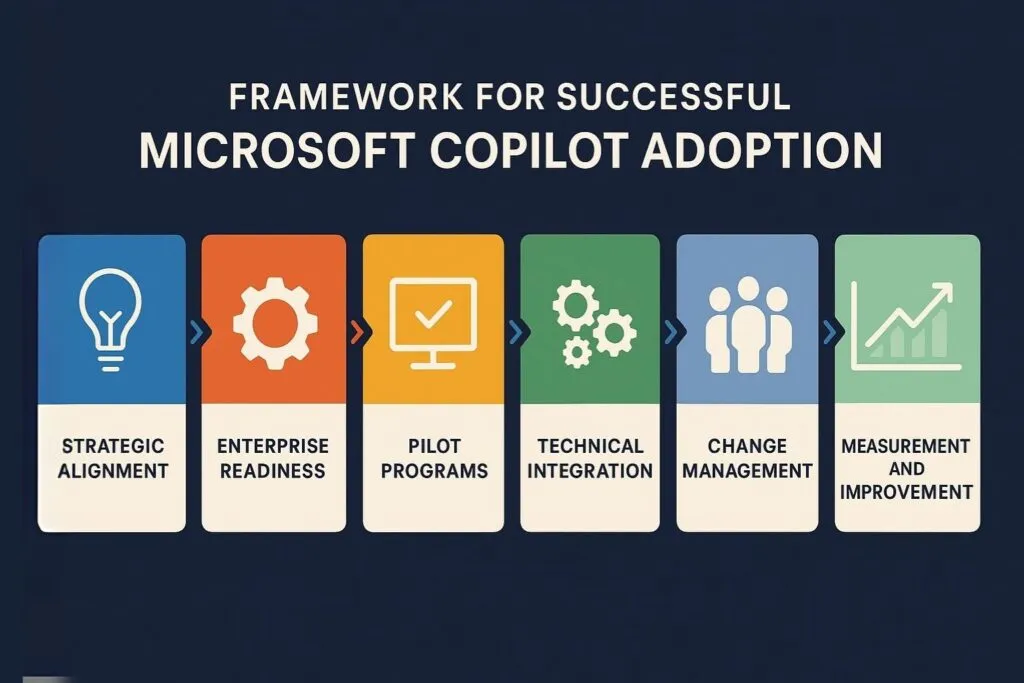
Consolidate your tools and protocols across the expanded projects. This step involves selecting a primary blockchain or layer-2 solution and standardizing the development frameworks used by different teams. A unified stack reduces maintenance costs and makes it easier to share knowledge and resources across departments.
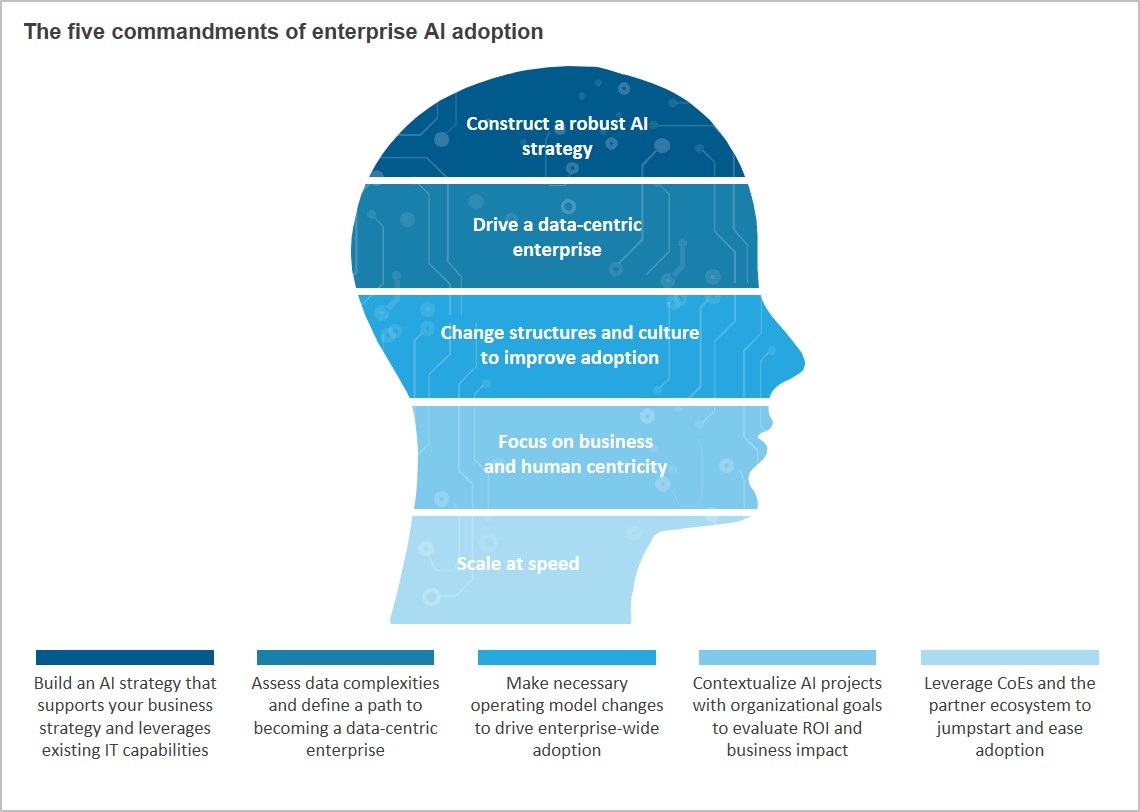
Dedicate the majority of your resources to training and change management. This includes upskilling employees on Web3 concepts, establishing new governance models for decentralized decision-making, and creating feedback loops between technical teams and business users. Without this focus, even the best technology will struggle to gain traction.
-
Define clear success metrics for each pilot phase
-
Establish a cross-functional steering committee
-
Select a primary blockchain infrastructure provider
-
Create a training curriculum for non-technical staff
-
Set up a feedback loop for continuous improvement
No comments yet. Be the first to share your thoughts!