Why enterprises are scaling now
The conversation around enterprise infrastructure has shifted from experimental pilots to core operational necessity. In 2025, investment in generative AI alone reached $37 billion, a 3.2x increase from the previous year. This capital influx is no longer just about testing capabilities; it is about building the foundational systems required to support them at scale.
For enterprise decision-makers, the timing is driven by two converging forces. First, the post-halving market era has stabilized institutional expectations, reducing volatility and encouraging long-term capital allocation. Second, the technology itself has matured. Infrastructure tools are no longer fragile prototypes but robust, production-ready systems capable of handling the demands of global enterprise workloads.
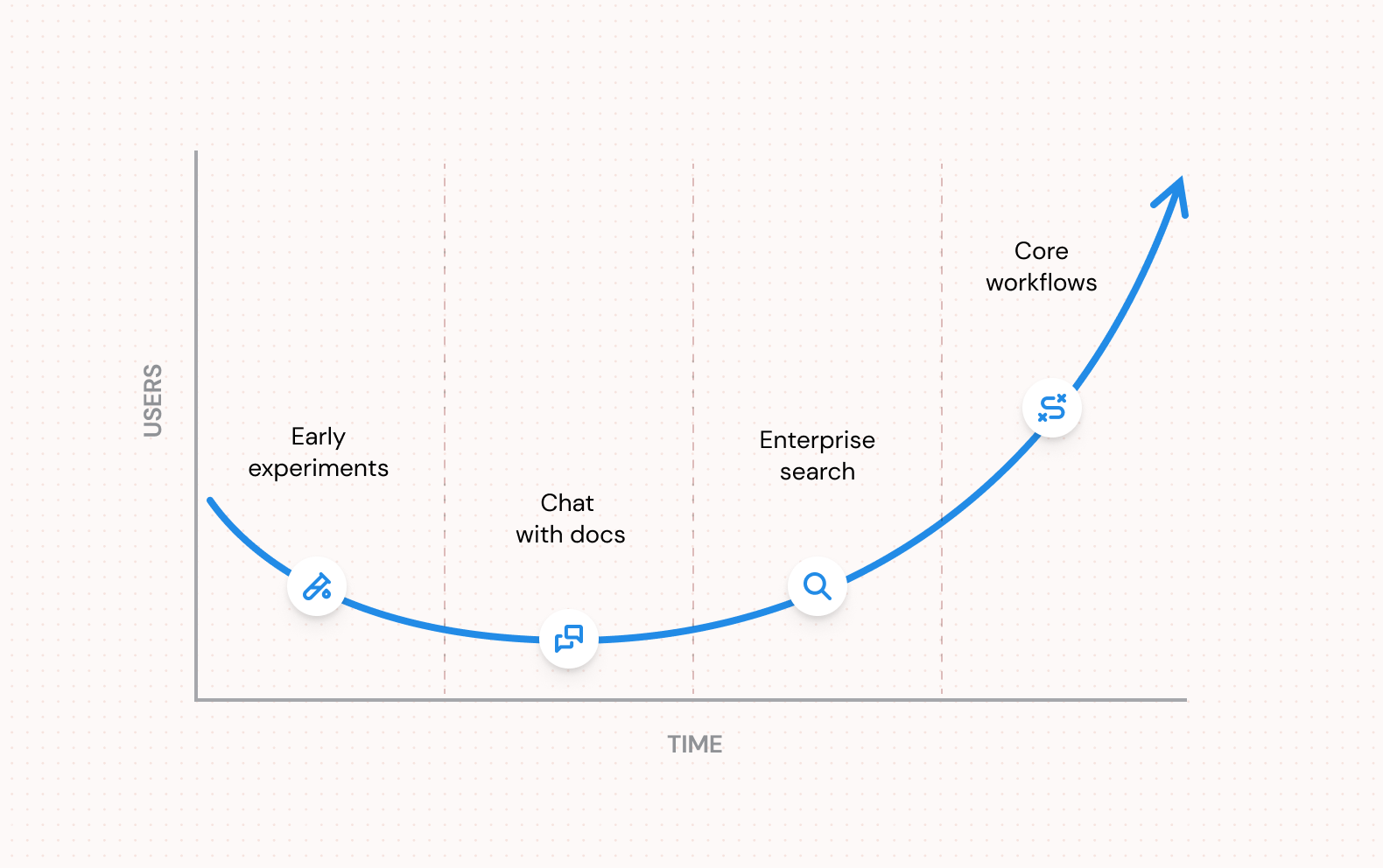
This shift moves the industry beyond speculation. Companies are now focused on utility and measurable return on investment. The question is no longer whether to adopt these technologies, but how to integrate them into existing stacks without disrupting current operations. The infrastructure built today must support the next decade of growth, making scalability and reliability the primary metrics for success.
Building the infrastructure layer
Enterprise-grade Web3 infrastructure requires a foundation built for scale, interoperability, and strict compliance. Unlike consumer-facing applications, enterprise systems must handle high throughput while maintaining audit trails and regulatory adherence. This section outlines the technical requirements for deploying robust infrastructure in 2026.
Scalability and Throughput
High transaction volume is non-negotiable for enterprise adoption. Layer 2 (L2) solutions have emerged as the primary method for achieving this scale without compromising on security or cost. When selecting an L2, decision-makers should evaluate throughput, finality times, and the maturity of enterprise support structures.
| Network | Throughput | Finality | Enterprise Support |
|---|---|---|---|
| Arbitrum | High | ~1 min | Strong ecosystem |
| Optimism | High | ~1 min | OP Stack integration |
| zkSync | Very High | ~15 min | Growing |
Interoperability and Compliance
Seamless communication between different blockchain networks is essential for complex enterprise workflows. Interoperability protocols allow data and value to move across chains, reducing silos and improving efficiency. Simultaneously, compliance-ready nodes ensure that all transactions meet regulatory standards, providing the necessary auditability for financial and legal oversight.
Node Architecture
Deploying compliant nodes is a critical step in infrastructure setup. These nodes must support enterprise-grade security features, including role-based access control and encrypted data storage. By prioritizing these technical requirements, enterprises can build a scalable, interoperable, and compliant Web3 foundation.
Governance and risk frameworks
Scaling infrastructure isn't just about raw compute; it's about trust. For enterprises, adopting new technologies without a solid governance structure is like building a skyscraper on sand. You need frameworks that define who owns the risk, how decisions are made, and where the guardrails sit.
Structuring oversight
Successful adoption starts with clear ownership. Enterprises that see the most success are those that invest time in customizing their governance models rather than copying generic templates. This means establishing a cross-functional team—legal, security, and engineering—that meets regularly to review infrastructure changes. It’s not a one-time setup; it’s an ongoing process of alignment.
Callout: Smart contract audits and multi-sig wallets are non-negotiable for high-stakes deployments. Treat these audits like financial audits: independent, rigorous, and documented.
Auditing and verification
Security isn't a feature; it's a foundation. Before any major infrastructure component goes live, it must undergo rigorous testing. This includes third-party security audits for smart contracts and internal penetration testing for internal tools. The goal is to find weaknesses before they become liabilities. Documentation of these audits should be accessible to all stakeholders, creating a single source of truth for risk status.
Regulatory alignment
Regulations are moving faster than many expected. Aligning your infrastructure with current and upcoming regulations (like GDPR, CCPA, or emerging AI acts) prevents costly retrofits later. This means designing data flows that respect jurisdictional boundaries from day one. It’s better to build compliance into the architecture than to bolt it on after a breach.
Practical next steps
- Define roles: Assign clear ownership for each infrastructure component.
- Audit early: Schedule third-party audits before production deployment.
- Map regulations: Identify which regulations apply to your data and workflow.
- Document everything: Keep a living record of decisions, audits, and compliance checks.
Selecting the Right Integration Stack
Choosing the right tools for enterprise adoption isn't just about buying software; it's about building a secure, scalable foundation. The infrastructure you select today will dictate how easily your organization can integrate AI and digital assets into daily operations. You need a stack that balances developer velocity with strict security protocols.
Essential Tool Categories
Enterprise-Grade Wallets and Security Security is the non-negotiable baseline. For enterprise environments, hardware wallets and multi-signature solutions are essential for managing digital assets and API keys. These tools provide the cold storage and transaction verification needed to protect against the high-stakes risks inherent in financial and data infrastructure.
Analytics and Monitoring Platforms You cannot optimize what you cannot measure. Enterprise analytics platforms provide the visibility needed to track adoption metrics, system performance, and user behavior. These tools help leaders identify bottlenecks and validate ROI, ensuring that infrastructure investments are driving tangible business outcomes rather than just adding complexity.
Developer Kits and SDKs For engineering teams, robust developer kits and SDKs are the engines of integration. These tools streamline the connection between your existing legacy systems and new AI or blockchain capabilities. By standardizing the integration process, they reduce development time and minimize the risk of errors during deployment.
- FIPS 140-2 Level 3 certified
- Multi-signature support
- Key management
As an Amazon Associate, we may earn from qualifying purchases.
From pilot to production
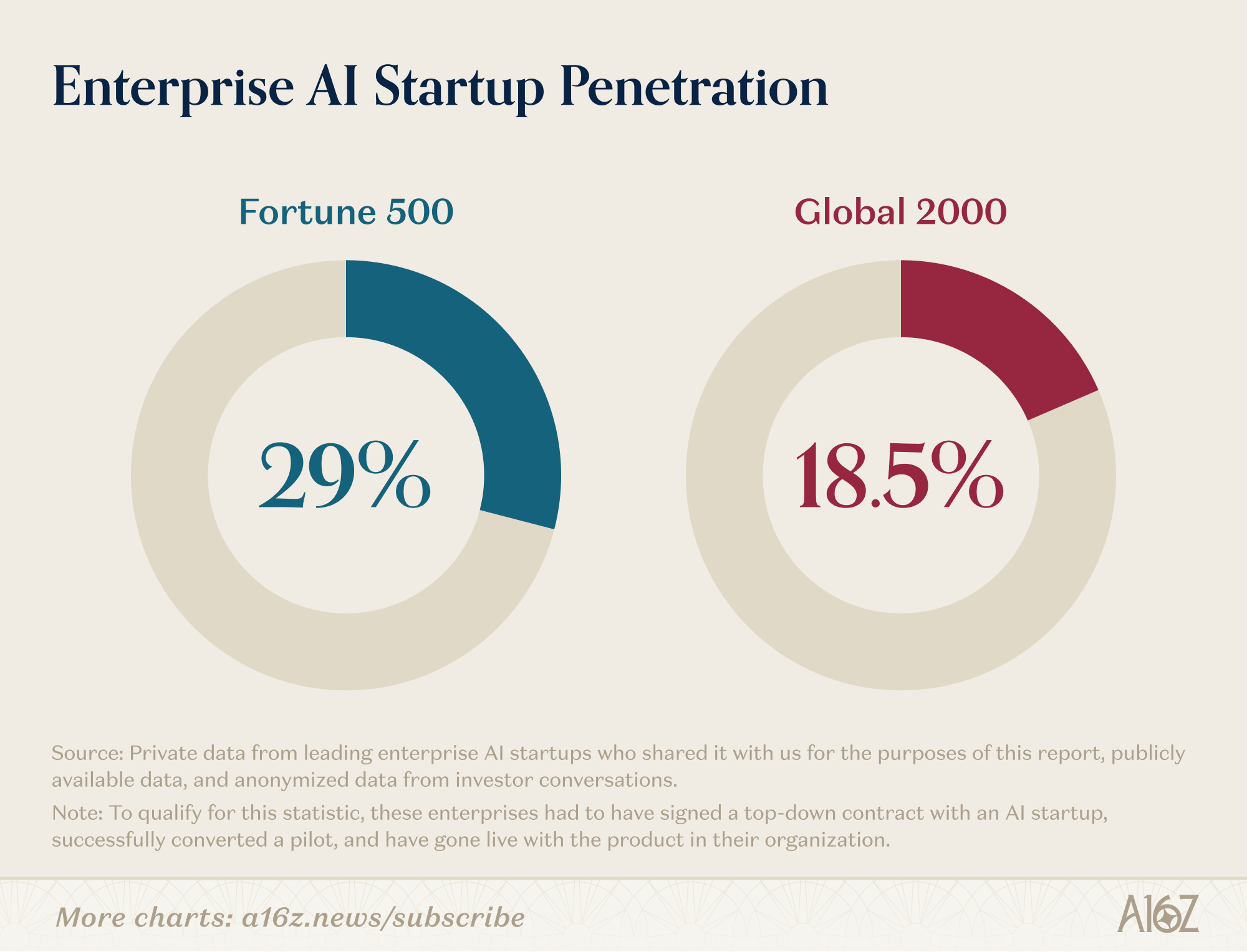
Moving from a successful pilot to full-scale enterprise adoption is where most infrastructure projects stall. The $37 billion invested in generative AI in 2025 highlights a massive gap between initial interest and sustainable deployment. To bridge this, organizations need a structured transition plan that prioritizes governance and operational stability over speed.
Before scaling, define clear boundaries for AI usage. An agentic AI adoption roadmap should guide the enterprise from simple automation to complex, orchestrated systems. This ensures that as you expand, compliance and security protocols evolve alongside the technology.
Pilots often run in isolated environments. Production requires resilience. Load-test your systems against peak enterprise traffic patterns and integrate them with existing legacy stacks. Identify single points of failure and implement redundancy before the wider rollout.
Scale demands visibility. Deploy monitoring tools that track model drift, latency, and cost per transaction in real-time. Unlike pilots, production systems must self-heal or alert immediately when anomalies occur. This proactive stance prevents minor issues from becoming enterprise-wide outages.
Technology is only half the equation. Train your IT and support teams on the new workflows. Ensure they understand how to intervene when automated systems fail. A well-trained team reduces downtime and builds confidence in the new infrastructure.
This phased approach transforms experimental projects into reliable enterprise assets. By focusing on governance and operational readiness, you ensure that your infrastructure can handle the demands of 2026 and beyond.
No comments yet. Be the first to share your thoughts!