Why enterprises choose zero-knowledge proofs
The conversation around zero-knowledge proofs (ZK) in enterprise infrastructure has shifted from theoretical curiosity to pragmatic necessity. In 2026, the primary drivers are no longer just speculation or novelty; they are privacy, scalability, and regulatory compliance. For CTOs and infrastructure leads, ZK technology offers a way to scale transaction throughput while keeping sensitive business data off-chain and verifiable.
The business case rests on three pillars. First, privacy allows enterprises to prove compliance or solvency without exposing customer PII or proprietary financials. Second, scalability addresses the bottleneck of on-chain execution by batching transactions off-chain and submitting a single proof. Third, regulatory alignment becomes simpler when data can be shared selectively rather than broadly.
This shift is evident in how major financial institutions are approaching blockchain integration. Rather than building public ledgers, they are using ZK circuits to create private, permissioned layers that satisfy auditors. The result is infrastructure that scales like traditional databases but verifies like a blockchain.
For infrastructure teams, the implementation path is clear. Start with identity verification and compliance reporting, where the value of privacy is highest and the regulatory pressure is most acute. From there, expand to transaction batching and data integrity checks. The goal is not to replace existing systems, but to add a layer of cryptographic assurance that scales with business growth.
The technology is no longer experimental. It is a practical tool for building infrastructure that is both private and performant. As adoption grows, the focus will remain on solving real enterprise problems: reducing costs, ensuring compliance, and protecting data.
Mapping ZK infrastructure to enterprise workflows
Zero-knowledge proofs (ZKPs) are no longer just a cryptographic curiosity; they are becoming a core component of enterprise infrastructure. For CTOs and infrastructure leads, the value proposition is straightforward: ZKPs allow organizations to verify data integrity and privacy without exposing the underlying information. This capability solves a persistent friction point in digital business—balancing transparency with confidentiality.
Consider confidential transactions. In traditional Web2 systems, verifying a payment often requires sharing sensitive account details with intermediaries. With ZK infrastructure, a user can prove they have sufficient funds or meet compliance requirements without revealing their balance or identity. This reduces the attack surface for data breaches while maintaining the audit trails that regulators demand. It shifts the burden of trust from the data holder to the mathematical proof.
Private data validation offers another critical use case. Enterprises often need to collaborate with partners or verify customer credentials without exposing proprietary algorithms or sensitive customer lists. ZK proofs enable this by allowing one party to prove that a dataset meets certain criteria (e.g., "this customer is over 18" or "this transaction is within policy") without sharing the dataset itself. This is particularly valuable in healthcare, finance, and supply chain logistics, where data silos have historically hindered efficiency.
To understand the practical impact, it helps to compare traditional data handling with ZK-proofed workflows. The table below highlights the differences in privacy, latency, and compliance overhead.

| Feature | Traditional Web2 | ZK-Proofed Web3 |
|---|---|---|
| Data Exposure | Full exposure to intermediaries | Minimal (proof only) |
| Compliance Audit | Manual, high overhead | Automated, real-time |
| Latency | Low (direct queries) | Moderate (proof generation) |
| Trust Model | Trust in central authority | Trust in mathematics |
Integrating ZK proofs into existing stacks
Integrating zero-knowledge (ZK) proofs into legacy enterprise systems is less about rewriting your core infrastructure and more about wrapping it. The goal is to offload heavy cryptographic verification to a dedicated layer while keeping your primary databases and APIs familiar to your developers. This approach minimizes disruption and allows teams to leverage existing tooling.
Think of ZK infrastructure as a specialized translator. Your existing systems speak standard SQL and REST; the ZK layer speaks cryptographic proofs. By placing this layer between your database and your public-facing APIs, you can validate complex state transitions without exposing raw data or slowing down the main application.
1. Define the verification boundary
Start by identifying which parts of your data pipeline require privacy or scalability. Not every transaction needs a ZK proof. Focus on high-value interactions where data sensitivity or computational cost is a bottleneck. For example, if you are processing financial settlements, a ZK proof can verify that the sum of transactions matches the ledger total without revealing individual trade details.
2. Select a compatible proving framework
Choose a proving system that aligns with your existing tech stack. Most enterprise environments prefer frameworks that support standard programming languages like Rust, Go, or Python. Look for libraries that offer pre-built circuits for common operations, such as hash functions or merkle tree proofs, to reduce development time. Compatibility with your current CI/CD pipelines is essential for smooth deployment.
3. Implement the API gateway layer
Create a middleware layer that handles proof generation and verification. This gateway should accept standard API requests, generate the necessary ZK proofs for sensitive operations, and forward the verified results to your core systems. This abstraction ensures that your backend services remain unchanged, treating ZK verification as a transparent step in the request lifecycle.
4. Optimize for developer experience
The biggest hurdle in ZK adoption is the steep learning curve. Provide your developers with high-level SDKs and clear documentation that abstract away the complex mathematics. Use familiar patterns like async/await for proof generation and standard error codes for verification failures. A good developer experience reduces friction and accelerates adoption across your engineering teams.
5. Monitor and iterate
ZK proof generation can be computationally expensive. Monitor the latency and resource usage of your proving service. Start with a small subset of traffic and gradually increase the volume as you optimize your circuits and infrastructure. Use metrics to track verification success rates and adjust your proving parameters to balance security with performance.
Navigating compliance and regulatory hurdles
For enterprise infrastructure leads, the biggest barrier to scaling Web3 isn't code—it's compliance. ZK proofs offer a technical solution to a legal problem: how to verify truth without exposing sensitive data. This capability directly addresses the tension between transparency and privacy required by frameworks like GDPR and CCPA.
Privacy by Design
GDPR’s "data minimization" principle requires that organizations collect only what is strictly necessary. Traditional blockchains store everything permanently, creating a compliance nightmare. ZK rollups allow enterprises to prove transaction validity while keeping user data off-chain or encrypted. This aligns with the legal requirement to avoid unnecessary data retention, reducing liability exposure significantly.
Financial Regulatory Alignment
In regulated industries like finance, KYC (Know Your Customer) and AML (Anti-Money Laundering) checks are mandatory. ZK proofs enable "selective disclosure." A user can prove they are over 18 or reside in a compliant jurisdiction without revealing their birth date or exact address. This reduces the attack surface for data breaches while satisfying regulatory auditors.
Auditable Transparency
Regulators need to see the truth, not just trust the system. ZK proofs provide cryptographic guarantees that the underlying logic was executed correctly. This creates an auditable trail that satisfies compliance officers without exposing proprietary business logic or customer PII (Personally Identifiable Information). The result is a system that is both private and provably compliant.
Building a phased ZK adoption roadmap
Transitioning from a zero-knowledge proof pilot to production infrastructure requires a structured, phased approach. This roadmap helps CTOs and infrastructure leads move beyond experimental proof-of-concepts to scalable, enterprise-grade deployments. The goal is to balance the privacy benefits of ZK technology with the rigorous demands of regulatory compliance and system reliability.
Begin by mapping where sensitive data enters, processes, and exits your systems. Identify specific regulatory requirements such as GDPR or HIPAA that ZK proofs can help satisfy without exposing raw data. This audit establishes the baseline for which transactions truly benefit from privacy-preserving cryptography.
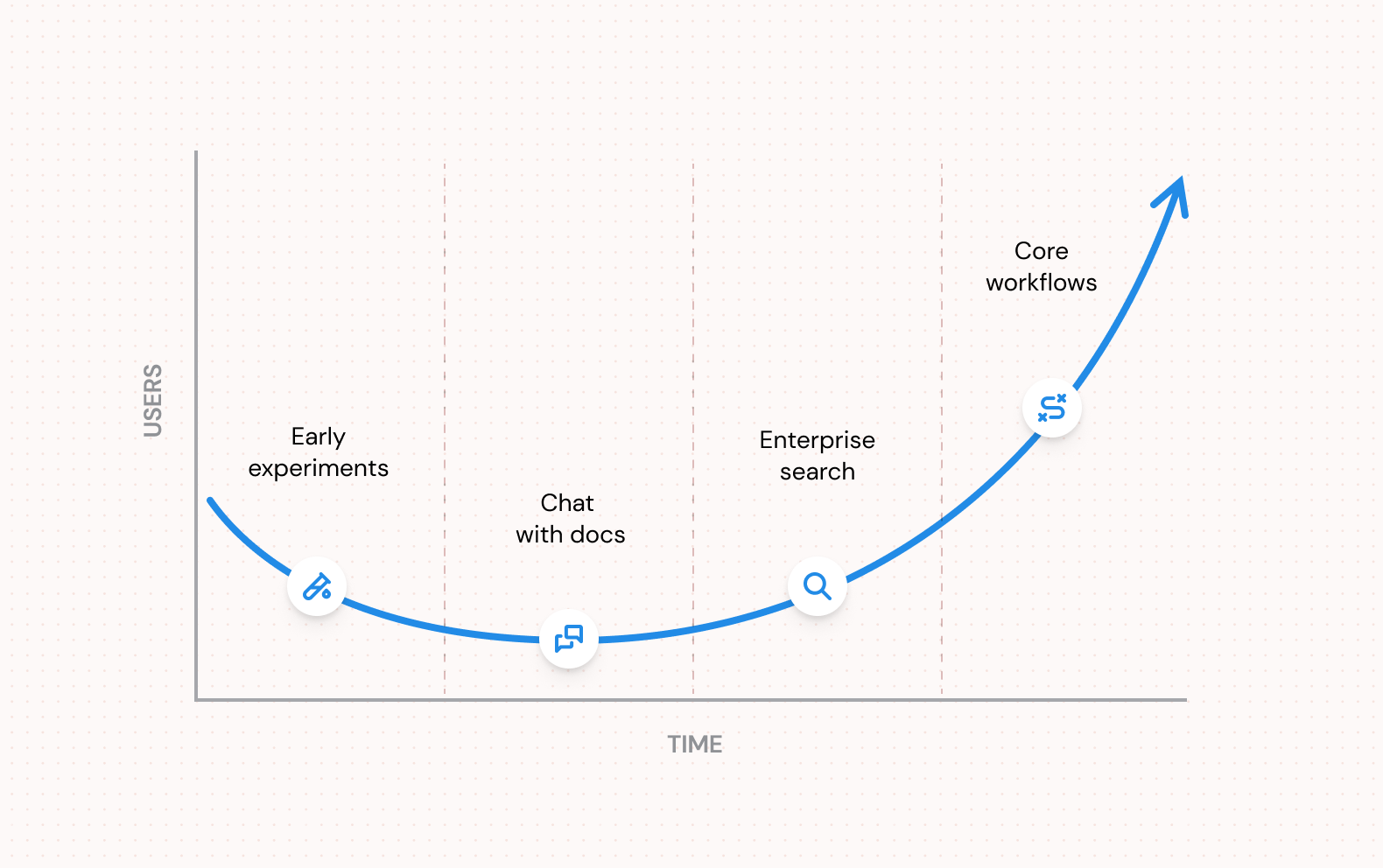
Evaluate vendors based on their proof generation speed, verification costs, and existing integrations with your tech stack. Prioritize providers offering robust SDKs and clear documentation. Look for those with proven track records in high-throughput environments to ensure your infrastructure can handle enterprise-scale loads.
Deploy the ZK solution in a controlled environment with a small subset of users or transactions. Monitor proof generation latency and verification success rates. This phase is critical for identifying integration bottlenecks and validating that the privacy guarantees hold up under real-world conditions without disrupting core operations.

Once the pilot proves successful, gradually expand the scope while integrating ZK verification layers into your existing legacy systems. Ensure your engineering teams are trained on the new cryptographic workflows. Focus on automating proof generation where possible to maintain performance as transaction volumes grow.
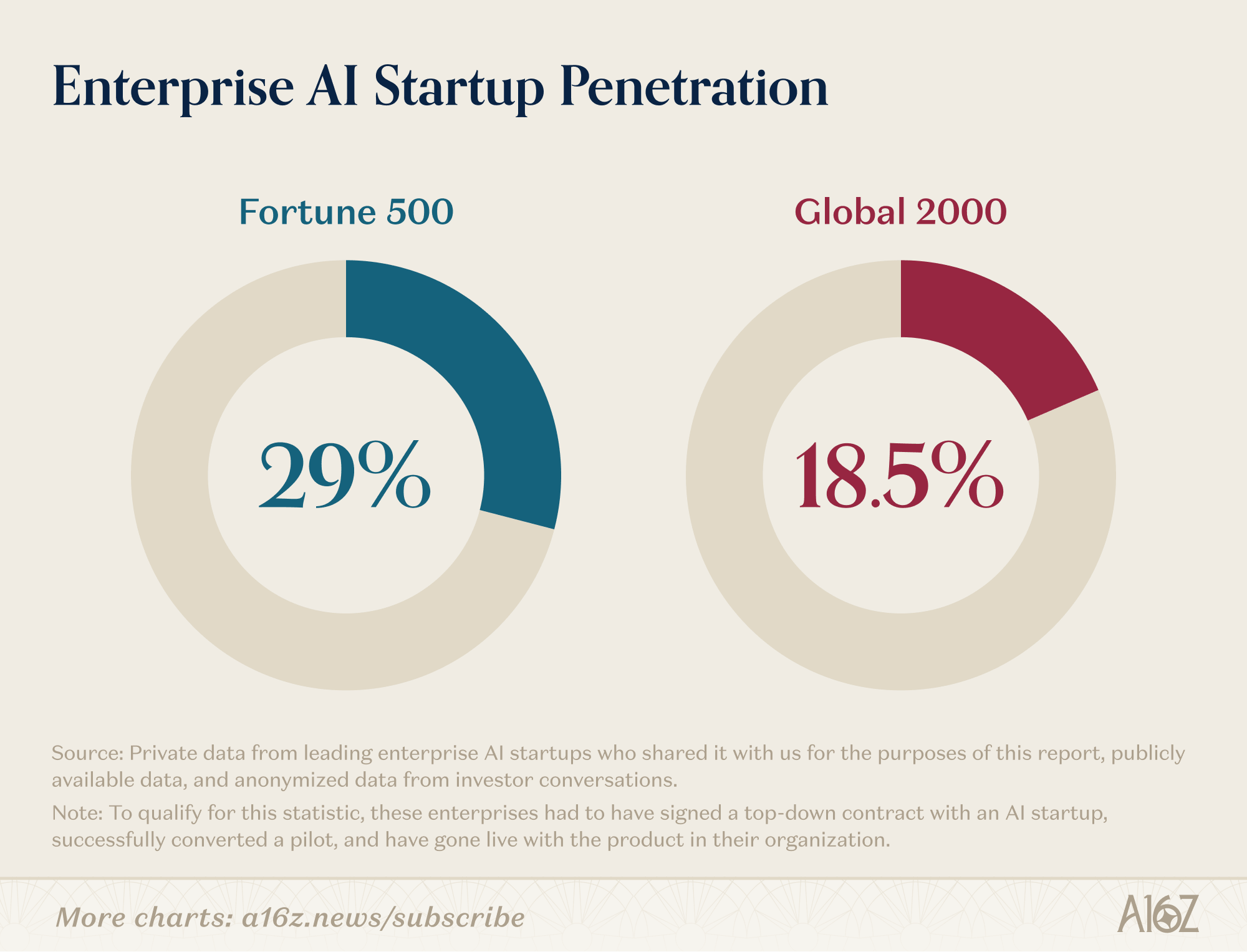
Implement continuous monitoring for proof validity and system performance. Establish governance protocols for handling edge cases and updating cryptographic parameters as standards evolve. Regular audits ensure that your ZK infrastructure remains compliant and secure as your enterprise adoption matures.
This phased approach minimizes risk while maximizing the strategic value of zero-knowledge proofs. By following these steps, infrastructure leads can build a resilient foundation for future innovation.
No comments yet. Be the first to share your thoughts!