Defining your enterprise adoption strategy
Enterprise AI adoption is the strategic integration of artificial intelligence into every layer of the business, not simply about deploying a pilot program or buying a new tool. It requires aligning technology with core operational workflows to drive measurable value across the organization.
Many leaders mistake a successful proof-of-concept for a finished strategy. True adoption means moving from isolated experiments to production-ready systems that scale. This involves integrating AI into existing infrastructure, ensuring data governance, and training teams to work alongside new automated processes.
A robust adoption strategy focuses on three critical areas: infrastructure readiness, tool selection, and market alignment. Without this holistic approach, even the most advanced AI models fail to deliver sustained returns. The goal is to embed intelligence into the daily routine of the enterprise, making it an essential part of how work gets done.
Mapping the infrastructure landscape
The current market is defined by massive capital flows and strategic alliances that are reshaping the underlying infrastructure. According to recent industry analysis, these partnerships now exceed $45 billion, signaling a move from experimental AI to deeply integrated enterprise systems digitalapplied.com.
The dominant trend is the consolidation of power among a few key players. The alliance between Microsoft, NVIDIA, and Anthropic exemplifies this trajectory, combining cloud infrastructure, specialized hardware, and advanced language models into a single, cohesive ecosystem. This integration reduces the friction of deployment, allowing enterprises to adopt AI not just as a tool, but as a core operational layer.
To understand the momentum behind these shifts, it helps to look at the broader market sentiment. The following chart illustrates the performance of major tech indices, reflecting investor confidence in the infrastructure supporting enterprise AI adoption.
This infrastructure shift is also visible in the financial markets. The price movement of major tech assets often leads or coincides with significant enterprise announcements, serving as a real-time barometer for market confidence in these technological advancements.
While the big players dominate headlines, the practical application of these technologies relies on specific tools. Enterprises are increasingly turning to curated software solutions that bridge the gap between raw AI capabilities and business utility. The following products represent key components in this evolving toolkit, offering specialized functions for data processing and integration.


As an Amazon Associate, we may earn from qualifying purchases.
These tools are not standalone solutions but parts of a larger ecosystem. The success of an enterprise adoption strategy depends on how well these components integrate with existing workflows, ensuring that the infrastructure supports, rather than disrupts, daily operations.
Selecting the right enterprise adoption tools
Choosing the right software stack is the difference between a smooth rollout and a costly failure. You need tools that don't just manage projects but actively drive user engagement and reduce friction. This means looking beyond basic task management to platforms that offer analytics, communication, and training capabilities in one place.
The market for enterprise adoption tools is fragmented. Some platforms excel at change management, while others dominate in data visualization and workflow automation. Your selection should depend on your specific adoption phase: are you building initial awareness, driving deep usage, or measuring long-term ROI?
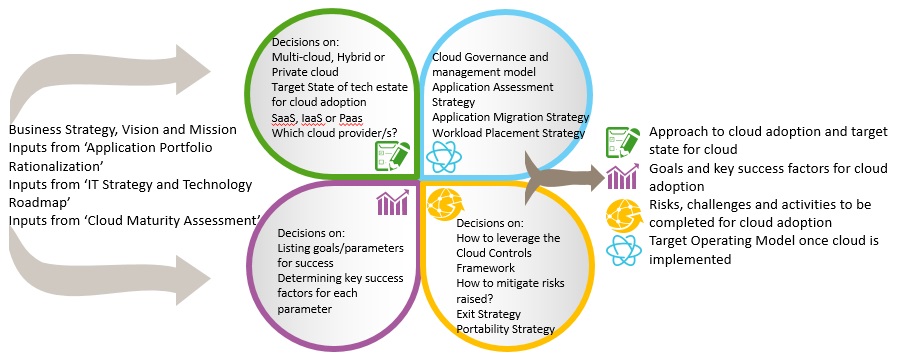
Below are concrete tool recommendations that address different aspects of the adoption lifecycle. These selections focus on platforms that integrate well with existing enterprise ecosystems and provide measurable outcomes.
When evaluating these tools, prioritize those with clear API integrations and strong customer support structures. The best tool is the one your team will actually use consistently. Look for platforms that offer onboarding support and have a track record of helping enterprises scale their adoption efforts.
Validate Your Strategy With Official Data
Enterprise adoption isn't about guessing what will stick. It's about proving it with data from the people who actually build these systems. The Stanford Digital Economy Lab's Enterprise AI Playbook draws from 51 real-world deployments, offering a clear path forward that avoids the trap of hypothetical predictions. Their findings show that successful integration relies on fine-tuning existing infrastructure to leverage resources better, not just buying new tools.
To build a credible strategy, you need to look beyond vendor marketing. Start with official sources like the Stanford publication, which provides concrete lessons from actual deployments. Then, cross-reference with primary data from your own internal metrics. This dual approach ensures your adoption plan is grounded in reality, not just optimism.
When evaluating tools, focus on those that support this data-driven approach. Look for platforms that offer robust analytics and integration capabilities, allowing you to track adoption rates and user engagement effectively. Avoid solutions that promise quick fixes without providing the necessary infrastructure for long-term success.
To understand the market context, consider the broader trends in enterprise technology adoption. The following chart illustrates the current market dynamics, helping you gauge where your strategy fits within the larger industry landscape.
Measuring Success and ROI
You cannot manage what you do not measure. Enterprise adoption is not a finished state but a continuous loop of implementation, feedback, and adjustment. To determine if your strategy is working, you must track specific performance indicators that bridge the gap between technical deployment and business value.
1. Define and Track Core Adoption KPIs
Start by identifying which metrics matter most to your organization. Are you measuring user engagement, time-to-value, or cost reduction? Common KPIs include active user rates, feature utilization depth, and reduction in manual processing time. Without clear baselines, you will not know if the new tools are actually improving operations or simply adding complexity.
2. Monitor Technical Performance and Stability
Adoption fails when the underlying infrastructure cannot keep up. Monitor system latency, uptime, and error rates alongside user behavior. A tool that is frequently slow or unreliable will drive users back to legacy processes, regardless of its theoretical advantages. Technical stability is the foundation of trust.
3. Evaluate Business Impact and ROI
Ultimately, adoption must justify its cost. Calculate the return on investment by comparing the total cost of ownership against tangible benefits such as increased revenue, reduced operational expenses, or improved customer satisfaction scores. This financial validation is critical for securing ongoing executive support and budget for future initiatives.
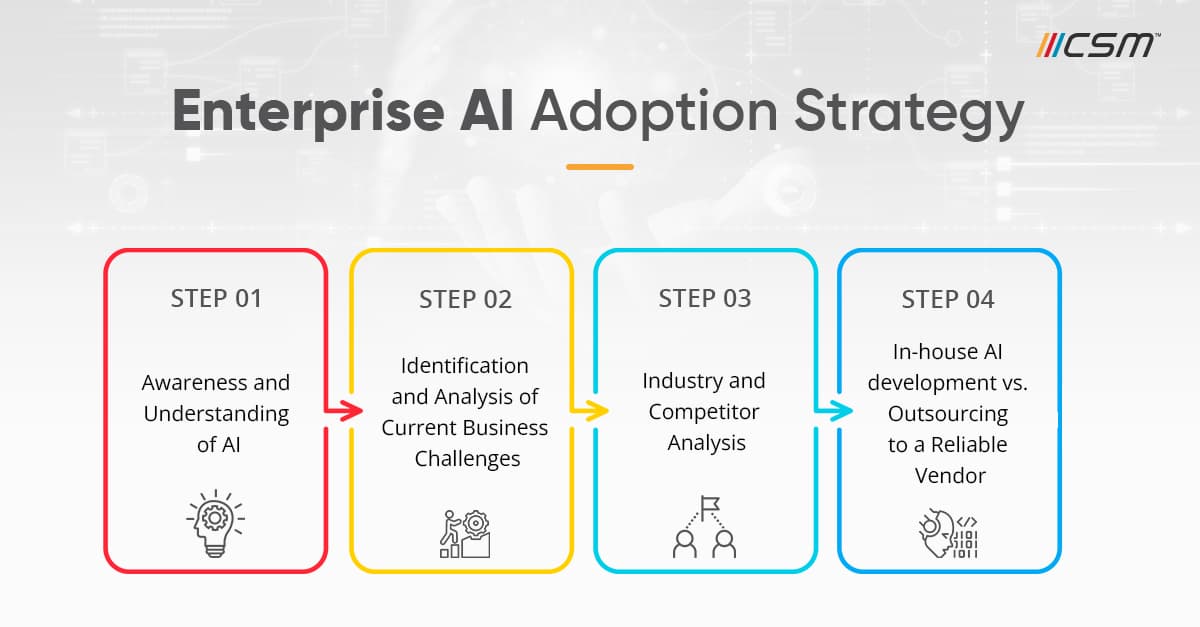
Before launching, document current performance levels. This baseline allows you to measure improvement accurately over time, ensuring that any observed changes are directly attributable to the new adoption strategy.
Deploy analytics tools to capture user behavior and system performance data in real-time. Ensure these systems are integrated seamlessly into your existing workflow to avoid adding friction for end-users.
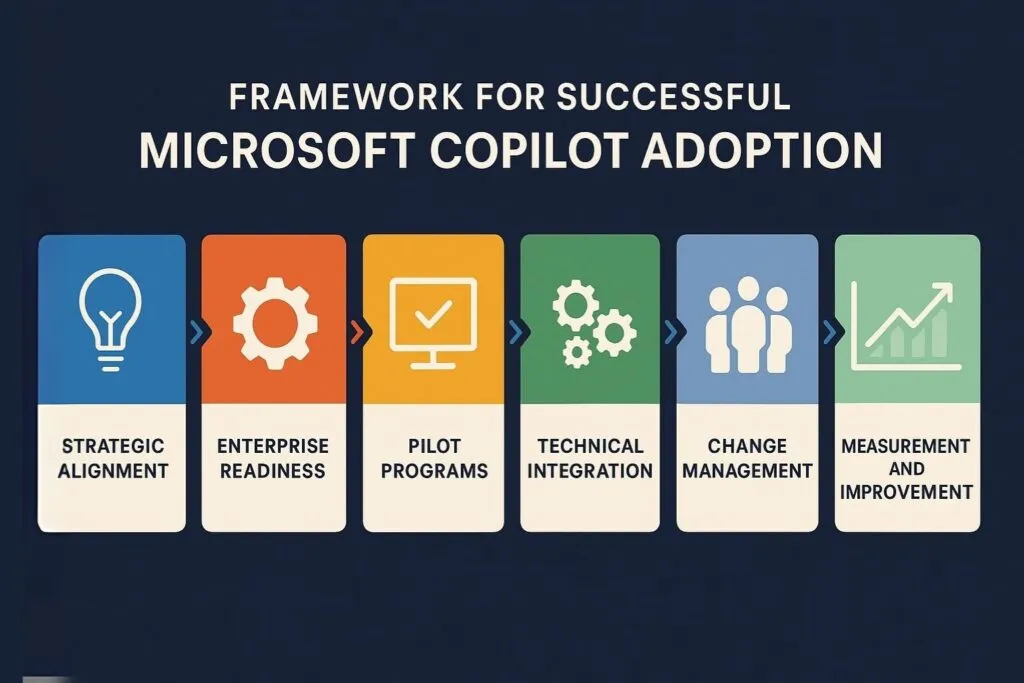
Schedule regular reviews to assess KPIs against targets. Use these insights to refine training programs, adjust tool configurations, or pivot strategy if certain areas are underperforming.
4. Leverage Market Context for Benchmarking
Understanding how your adoption efforts compare to industry standards provides valuable context. Use technical charts to monitor market trends in enterprise technology adoption, helping you stay ahead of competitors and identify emerging best practices.
5. Select Tools That Enable Measurement
The right tools make tracking adoption easier. Consider platforms that offer robust analytics and integration capabilities to streamline the measurement process. For teams looking to implement comprehensive tracking solutions, evaluating top-rated enterprise management tools can provide a solid foundation for success.


As an Amazon Associate, we may earn from qualifying purchases.
By focusing on these structured steps and leveraging the right tools, you can build a robust framework for measuring enterprise adoption success. This approach ensures that your strategy remains aligned with business goals and delivers measurable value over time.
Frequently asked questions about adoption
How do you measure AI adoption success?
Success is measured by tracking usage metrics against business outcomes. Key indicators include user engagement rates, task completion speed, and the reduction of manual errors. Organizations must define clear KPIs early to ensure the technology delivers tangible ROI rather than just operational complexity.
What are the biggest barriers to enterprise adoption?
The primary barriers are often cultural rather than technical. Employees may fear job displacement or lack the digital literacy to interact with new systems. Overcoming resistance requires transparent change management, comprehensive training programs, and leadership that actively champions the new tools.
Which tools are best for enterprise adoption?
Selecting the right infrastructure is critical for scaling adoption. Below are recommended tools that support seamless integration and user engagement.



As an Amazon Associate, we may earn from qualifying purchases.
How long does the adoption process take?
Full adoption typically takes 6 to 18 months, depending on organizational size and complexity. Initial phases focus on pilot testing and feedback, while later stages involve company-wide rollout and optimization. Patience and continuous iteration are essential for long-term success.
No comments yet. Be the first to share your thoughts!