Defining the enterprise adoption strategy
Enterprise adoption is not a pilot project; it is the strategic integration of technology into every layer of the business. Moving beyond isolated experiments, this approach treats new tools—such as AI or Web3 infrastructure—as essential components of core operations. The goal is to shift from testing prototypes to embedding systems that drive scale, performance, and value across the entire organization.
A common mistake is treating adoption as a simple user acquisition problem. While product adoption focuses on guiding individual users through a flow, enterprise adoption requires a broader framework. It involves aligning technology with business objectives, ensuring data governance, and managing regulatory compliance at scale. This distinction matters because enterprise decisions impact financial stability and operational continuity, not just user engagement metrics.
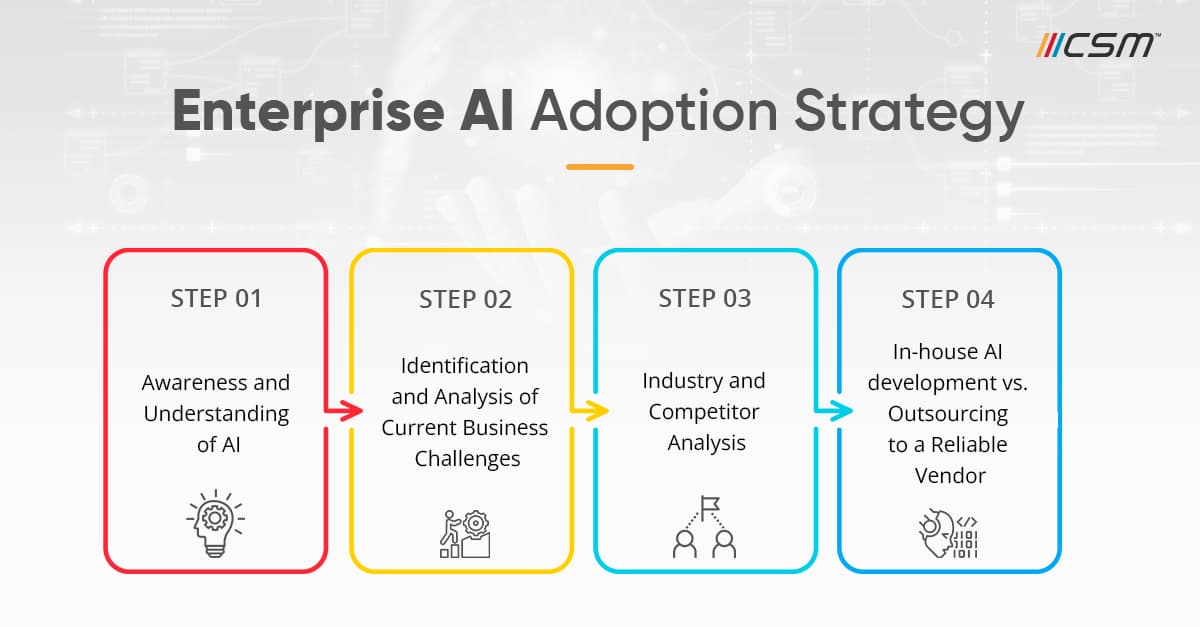
To succeed, organizations must develop internal strategies for building, procuring, and integrating these tools. This includes establishing clear metrics for success, prioritizing high-impact use cases, and ensuring that the technology differentiates the company from competitors. Without this strategic foundation, even the most advanced tools remain underutilized, failing to deliver the expected return on investment.
Infrastructure requirements for scale
Enterprise adoption of Web3 and AI technologies requires more than just pilot programs; it demands a robust technical backbone capable of handling mass-scale operations. The infrastructure must support high throughput, rigorous security protocols, and seamless interoperability across disparate systems. Without this foundation, initiatives stall at the prototype stage, unable to integrate into core business workflows.
Scalability is the primary hurdle. Traditional centralized databases often choke under the volume of transactions required for enterprise-grade applications. Solutions like Polygon or Hyperledger Fabric offer the necessary throughput and privacy controls, allowing organizations to process millions of interactions without compromising performance. This shift from experimental to operational is what defines true enterprise adoption.
Security and data governance form the second pillar. In finance and healthcare, where regulatory compliance is non-negotiable, infrastructure must provide immutable audit trails and granular access controls. This ensures that while data is decentralized or distributed, it remains protected against breaches and unauthorized access, meeting the strict standards required by industry regulators.
Interoperability bridges the gap between legacy systems and new Web3 protocols. Enterprises rarely operate in a vacuum; their existing ERP, CRM, and supply chain systems must communicate with blockchain networks. Middleware and standardized APIs enable this integration, allowing data to flow freely between traditional IT environments and decentralized networks without requiring a complete system overhaul.
The visual trend of network activity, such as the volume associated with major enterprise-focused chains like Polygon, illustrates the growing demand for scalable infrastructure. As transaction volumes rise, the underlying technology must adapt to maintain low latency and high security, proving that infrastructure is not just a support function but a competitive differentiator.
Selecting enterprise adoption tools
Choosing the right technology stack is less about finding the most advanced features and more about aligning with your organization's existing infrastructure and risk tolerance. Enterprise AI adoption is the strategic integration of artificial intelligence into every layer of the business, not simply using isolated tools. This requires a deliberate evaluation of development frameworks, governance protocols, and security measures to ensure scalability and compliance.
The decision to build or buy often dictates the trajectory of this integration. Organizations must weigh control against speed, considering how each tool impacts data governance, ethical standards, and regulatory compliance. A clear adoption strategy helps guide users through each stage of their workflow, ensuring that technology becomes an essential part of the routine rather than a disruptive add-on.
To simplify this evaluation, we compare top enterprise adoption tools across key criteria. This side-by-side view highlights differences in security posture, ease of integration, and cost structure, helping leaders choose the right stack for their specific needs.
For teams prioritizing hands-on security training and hardware-based protection, the following resources can support your adoption strategy:


As an Amazon Associate, we may earn from qualifying purchases.
Market research and investment trends
The current market landscape for enterprise AI adoption is defined by massive capital alignment. We are no longer in the experimental phase; we are seeing concrete financial commitments that signal institutional readiness. According to recent industry analysis, partnerships involving major tech players have exceeded $45 billion, creating a robust infrastructure foundation for large-scale deployment [digitalapplied].
This surge in investment is not random. It reflects a strategic shift where enterprises view AI not as a peripheral tool, but as a core operational layer. The integration of advanced AI technologies into large organizations requires significant capital for data governance, ethical compliance, and regulatory frameworks [aws]. This financial backing ensures that the underlying infrastructure can support the scale and performance demands of enterprise workloads.
To gauge the sentiment driving these investments, it is useful to look at the broader market context. While traditional equities move on earnings reports, the AI infrastructure sector is heavily influenced by strategic alliances and technology roadmaps. The following widget provides a snapshot of the broader market dynamics that often correlate with enterprise technology spending cycles.
Executing the adoption roadmap
Moving from strategy to execution requires shifting focus from high-level goals to operational reality. The AI adoption roadmap guides enterprises through a clear path from planning to full integration, ensuring that technology serves business outcomes rather than driving them. This phase is about turning abstract concepts into measurable workflows.
1. Align governance with technical infrastructure
Before deploying models, establish clear data governance protocols. Large organizations face significant challenges around scale, performance, and regulatory compliance when taking AI systems from prototype to production. Define who owns the data, who approves the models, and how performance is monitored. Without this foundation, even the most advanced tools will struggle to gain traction across departments.
2. Select high-impact use cases
Focus on problems where AI can deliver immediate, measurable value. Avoid pilot purgatory by choosing use cases that are well-defined and have accessible data. The goal is to demonstrate tangible business value quickly, which builds internal confidence and secures ongoing funding for broader initiatives.
3. Integrate tools into existing workflows
Adoption fails when technology disrupts daily operations. Embed AI tools directly into the software employees already use, such as CRM or ERP systems. This reduces friction and encourages consistent usage. When the technology feels like a natural part of the routine, adoption rates increase significantly.
4. Train and upskill talent
Technology is only as effective as the people using it. Invest in comprehensive training programs that help employees understand both how to use the tools and when to apply them. This includes teaching data literacy and ethical considerations. Aligning talent with the new infrastructure ensures that the organization can sustain the adoption long after the initial launch.
5. Monitor, measure, and iterate
Establish key performance indicators (KPIs) early to track progress. Regularly review adoption metrics and user feedback to identify bottlenecks. Use this data to refine the strategy, adjust training, or pivot to new use cases. Continuous improvement is essential for maintaining momentum and ensuring the technology remains relevant to business needs.
Common questions on Web3 integration
What does enterprise adoption mean?
Enterprise adoption goes beyond simply using new tools. It is the strategic integration of technology into every layer of the business. For Web3, this means moving from isolated experiments to core infrastructure that supports daily operations and long-term growth.
What is the adoption strategy?
An adoption strategy is a plan to help users discover, understand, and consistently use a product. It guides stakeholders through each stage of their journey, from initial awareness to making the technology an essential part of their routine. This ensures the technology delivers measurable value rather than remaining a novelty.
What does an enterprise strategist do?
Enterprise strategists help organizations know when and where to focus. They articulate how to deliver value and differentiate from competitors. Their role is to prioritize initiatives and measure the desired outcomes of every technological choice.
What is enterprise Web3 adoption?
Enterprise Web3 adoption is the integration of advanced blockchain and decentralized technologies within large organizations. Taking these systems from prototype to production introduces challenges around scale, performance, data governance, and regulatory compliance.
No comments yet. Be the first to share your thoughts!