Defining the enterprise adoption strategy
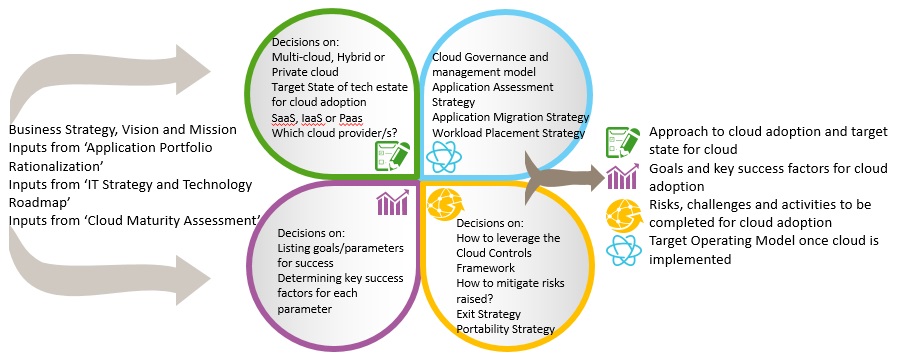
An enterprise adoption strategy in Web3 is a strategic blueprint for aligning blockchain infrastructure with regulatory compliance and business ROI. Integrating Real-World Assets (RWA) and Zero-Knowledge (ZK) tools requires treating these technologies as operational components rather than experimental features. The goal is to build a system where transparency and privacy coexist without compromising auditability or legal standing.
Tokenization provides the tangible value anchor that enterprises need to justify capital allocation. By converting physical assets into digital tokens, companies can unlock liquidity and streamline settlement processes. However, this requires rigorous compliance frameworks to ensure that the digital representation accurately reflects legal ownership and adheres to jurisdictional regulations. Without this alignment, the technology adds complexity rather than efficiency.
Zero-Knowledge proofs address the critical need for data privacy in a transparent ledger environment. Enterprises can verify transactions without exposing sensitive commercial data, allowing for secure interactions with partners and regulators. This capability is essential for maintaining competitive advantage while meeting strict data protection standards. The combination of tokenized assets for value and ZK for privacy creates a robust foundation for sustainable Web3 integration.
Why tokenized assets lead enterprise adoption
Real-world asset (RWA) tokenization is currently the most viable entry point for enterprise blockchain adoption. Unlike speculative crypto assets, RWAs bring tangible value—such as real estate, treasury bills, or private credit—onto the ledger. This bridges the gap between traditional finance and digital infrastructure, offering immediate liquidity and transparency without requiring companies to reinvent their core business models.
The market is shifting toward infrastructure that supports these hybrid assets. Institutional interest is growing not just for the assets themselves, but for the underlying zero-knowledge (ZK) tools that ensure compliance and privacy. By leveraging ZK-proofs, enterprises can validate transactions and regulatory adherence without exposing sensitive data publicly, making blockchain a practical tool rather than a novelty.
| Feature | Traditional Finance | RWA Tokenization |
|---|---|---|
| Liquidity | Low (illiquid markets) | High (24/7 trading) |
| Transparency | Opaque (silos) | On-chain (verifiable) |
| Compliance | Manual audits | Automated via ZK-proofs |
This transition is driven by the need for operational efficiency. Tokenizing existing assets reduces settlement times from days to seconds and lowers intermediary costs. For C-suite leaders, the ROI is clear: modernizing legacy systems with RWA infrastructure prepares the organization for a future where digital ownership is standard, while mitigating the risks associated with unproven technologies.
Zero-knowledge proofs for compliance
Regulated industries face a persistent contradiction: they need to prove compliance without exposing sensitive customer data or proprietary financial records. Zero-knowledge proofs (ZK) resolve this paradox by allowing a blockchain network to verify that a transaction meets specific regulatory criteria without revealing the underlying details. This capability transforms blockchain from a transparent ledger into a private, compliant infrastructure suitable for enterprise adoption.
In practice, ZK proofs act as a cryptographic seal. A company can generate a proof that demonstrates a transaction adheres to anti-money laundering (AML) rules or that a user meets age and identity requirements, while keeping the actual personal information encrypted and hidden from the public chain. This ensures that only the necessary validation data is shared, significantly reducing privacy risks and regulatory exposure.
For C-suite leaders, the value lies in risk mitigation and operational efficiency. By integrating ZK tools, organizations can participate in public or semi-public blockchain networks without fear of data leaks or competitive disadvantage. This infrastructure shift enables the use of tokenized assets in regulated markets, where transparency is mandatory but privacy is equally critical. The result is a robust framework for secure, compliant digital asset management.
Essential tools for implementation
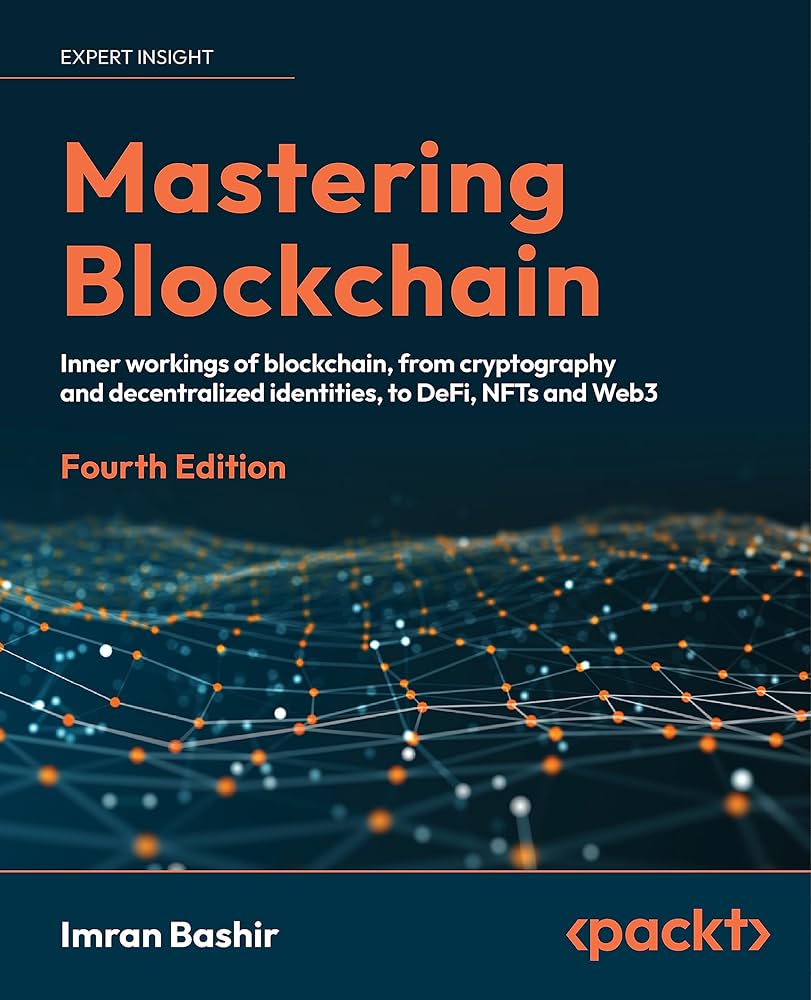
Selecting the right infrastructure tools is the difference between a pilot that stays in the lab and an RWA platform that processes real transactions. You need a stack that handles the friction of bridging traditional finance (TradFi) compliance with blockchain efficiency. The following tools address the core layers: identity verification, asset tokenization, and market liquidity.
Identity and Compliance Infrastructure
Before an asset can be tokenized, the participants must be verified. Tools like Chainalysis or Elliptic provide the transaction monitoring necessary to satisfy KYC (Know Your Customer) and AML (Anti-Money Laundering) requirements. For enterprise-grade identity management, Polygon ID offers zero-knowledge proof solutions that allow users to prove eligibility without exposing sensitive personal data. This balance of transparency and privacy is non-negotiable for institutional adoption.
Asset Tokenization Platforms
The backbone of any RWA strategy is the platform that mints and manages the digital tokens. Centrifuge has established itself as a leader in financing real-world assets like invoices and real estate, offering a robust API for integration. Ondo Finance focuses on tokenized US Treasuries and money market funds, providing a compliant gateway for traditional yield. These platforms handle the legal wrappers and custody arrangements, reducing the operational burden on your team.
Liquidity and Market Access
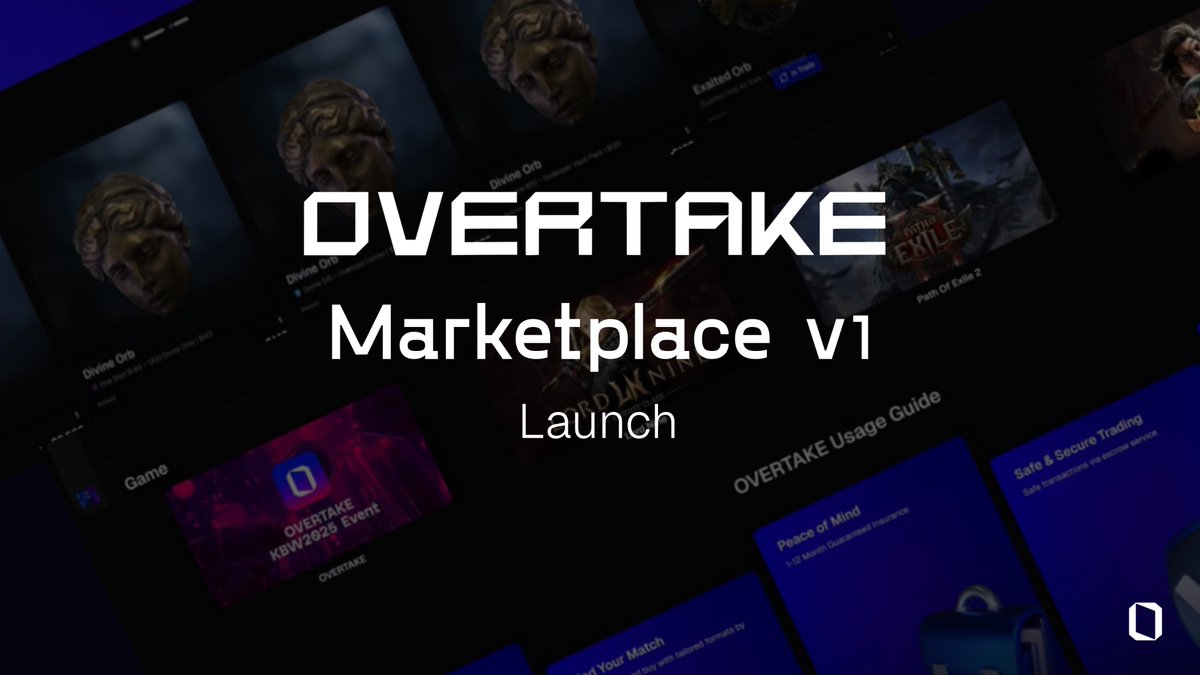
Tokenized assets are only valuable if they can be traded. dYdX and Aave provide decentralized liquidity pools where institutional players can enter and exit positions with minimal slippage. For more traditional market structures, Securitize offers secondary market trading platforms that adhere to SEC regulations, allowing for controlled transfers of tokenized securities. Integrating these liquidity layers ensures your RWA strategy remains viable in both bull and bear markets.
Security and Hardware
Enterprise security requires physical safeguards for private keys. Hardware wallets from Ledger or Trezor provide the cold storage necessary for institutional custody. For developers building custom infrastructure, AWS PrivateLink or Azure Dedicated Host ensures that your blockchain nodes run in isolated, compliant cloud environments. These tools mitigate the risk of external breaches and ensure data sovereignty.
As an Amazon Associate, we may earn from qualifying purchases.
Measuring adoption success
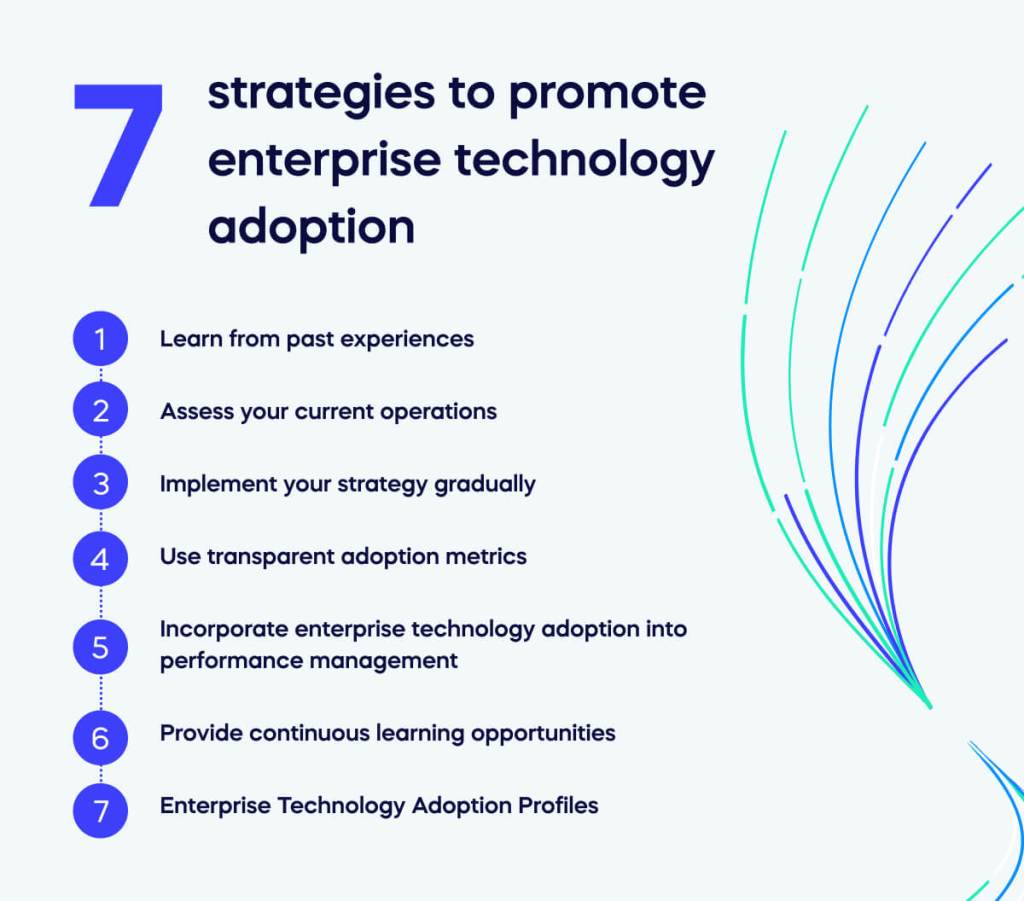
Enterprise adoption of RWA and zero-knowledge tools moves beyond pilot hype into measurable operational efficiency. To justify the infrastructure investment, you must track concrete KPIs that reflect risk mitigation and cost reduction rather than abstract engagement metrics.
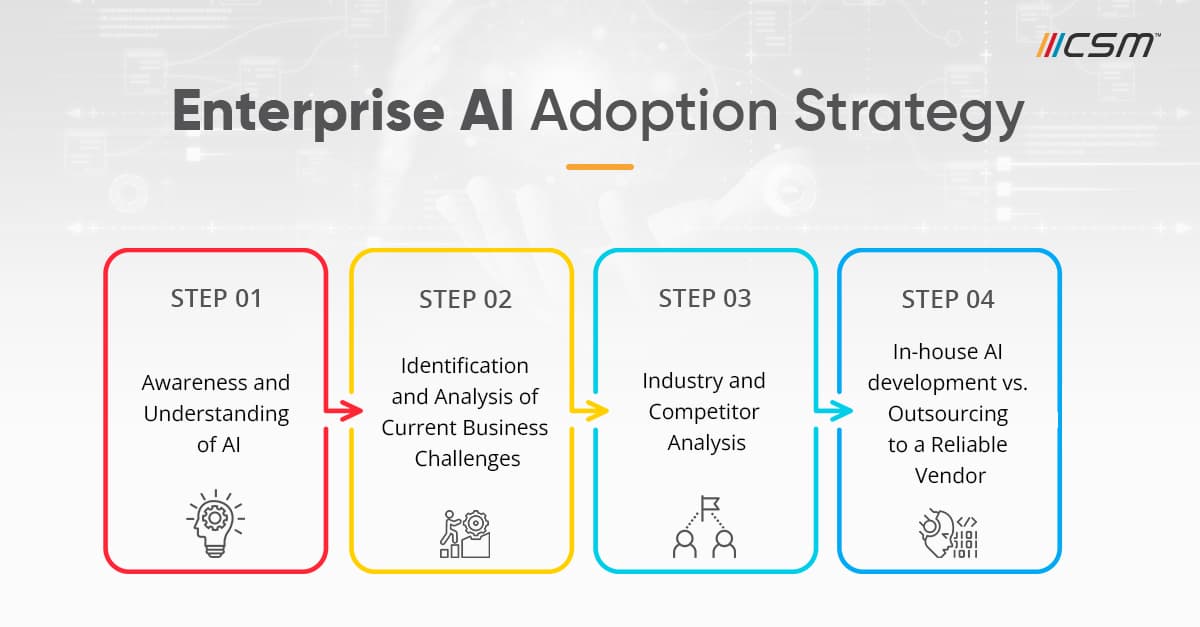
Measure the time difference between transaction initiation and final settlement on-chain. A successful integration should reduce settlement windows from days to minutes, directly impacting working capital efficiency.
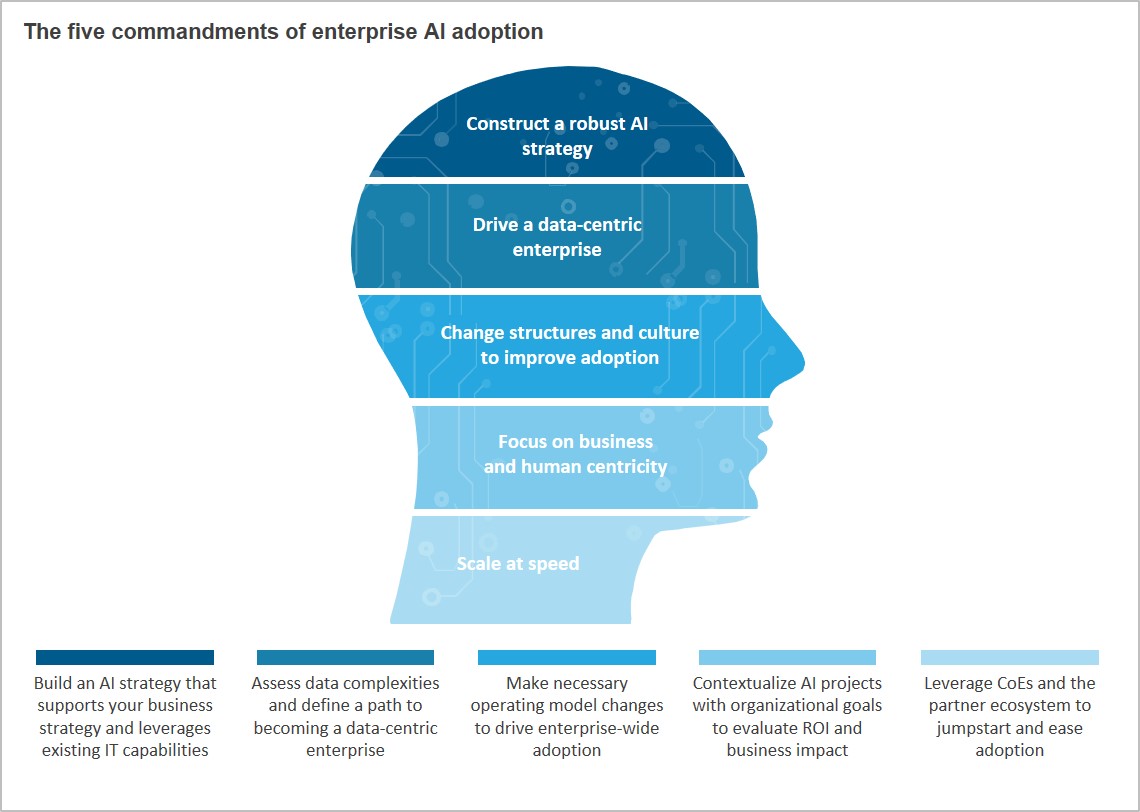
Quantify the reduction in manual reconciliation efforts. Use zero-knowledge proofs to verify asset ownership without exposing sensitive data, lowering the operational cost of regulatory reporting and audit trails.
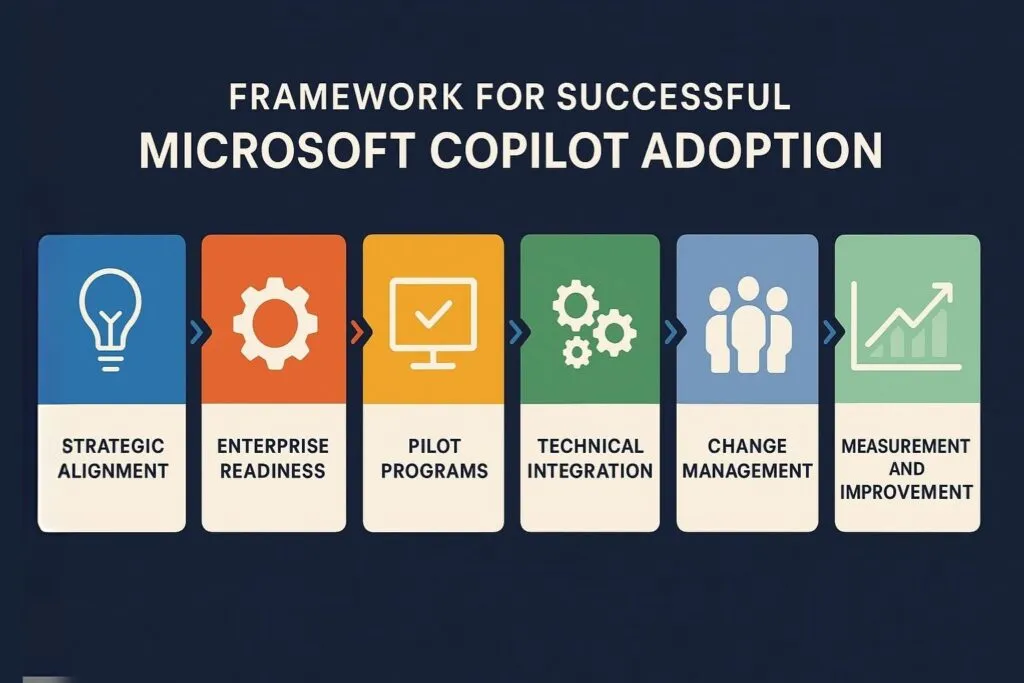
Compare the gas fees and infrastructure costs against traditional banking rails. The strategy only holds value if the per-unit cost of moving assets remains lower than legacy correspondent banking fees.
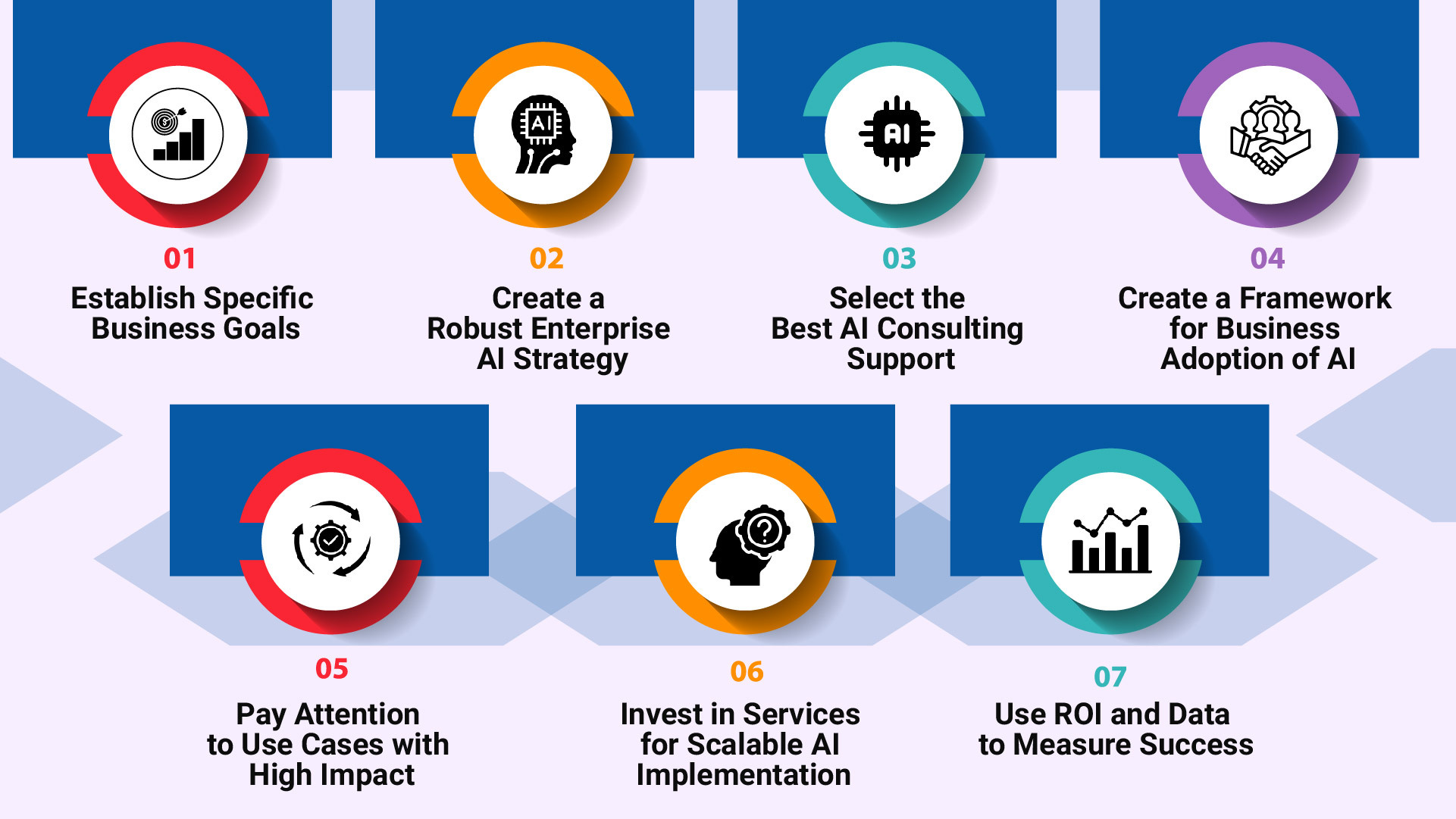
Track the percentage of on-chain data that matches off-chain oracle inputs. High integrity rates are essential for maintaining trust in RWA valuations and preventing oracle manipulation risks.
These metrics provide the C-suite with the clarity needed to scale infrastructure. Focus on the delta between legacy inefficiencies and new on-chain capabilities to demonstrate clear ROI.
Frequently asked questions about adoption
Enterprise adoption isn't just about installing new software; it's about integrating RWA tokenization and zero-knowledge proofs into your core infrastructure. These tools solve specific compliance and liquidity problems, rather than serving as abstract experiments.
No comments yet. Be the first to share your thoughts!