Why RWA tokenization matters now
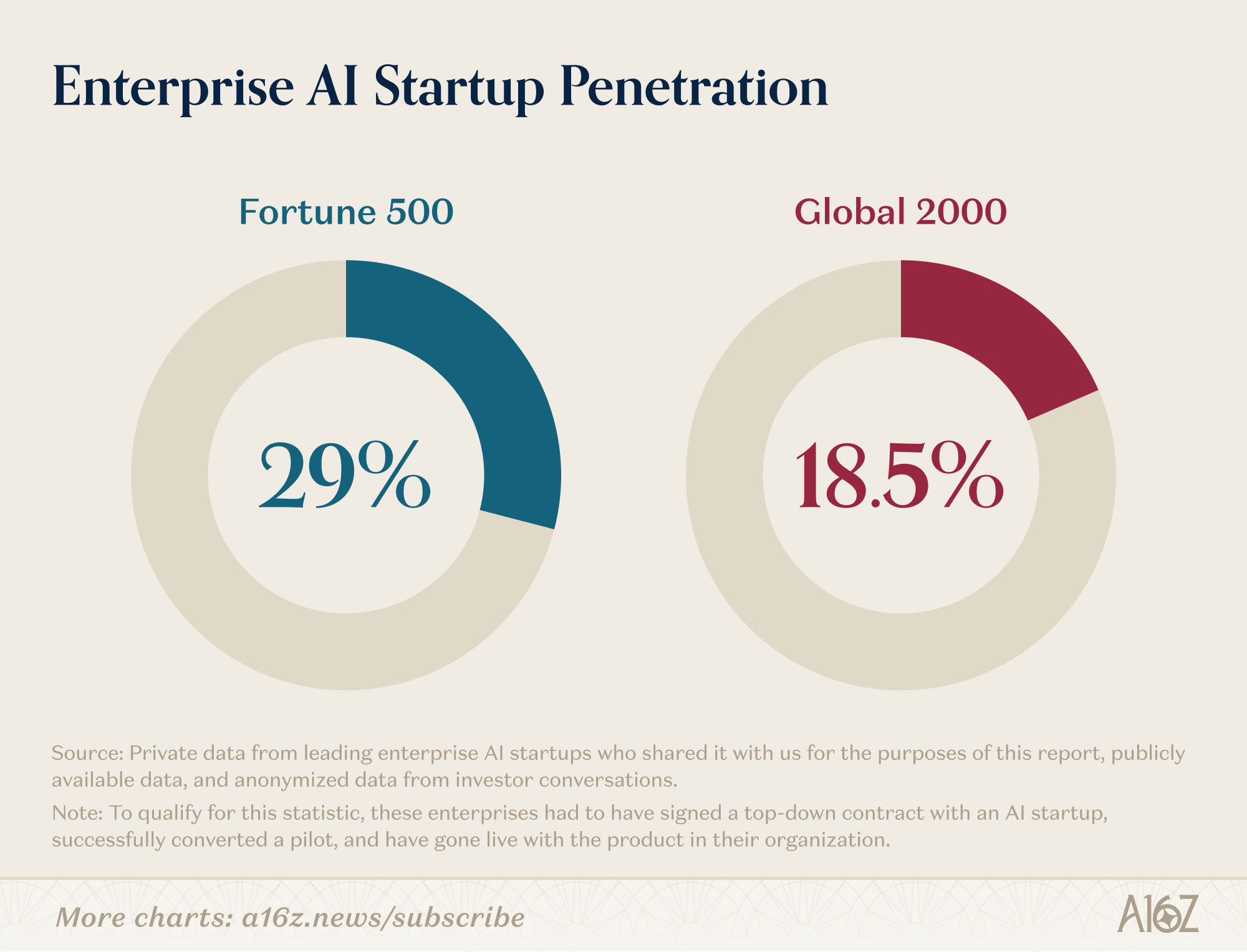
Real-world asset tokenization is no longer a speculative experiment; it is becoming a critical infrastructure layer for enterprise finance. As regulatory frameworks stabilize and institutional custody solutions mature, the focus has shifted from proof-of-concept pilots to scalable production environments. This transition marks the beginning of a new era where traditional assets like real estate, private credit, and treasury bills can be traded with the speed and transparency of digital-native tokens.
The urgency stems from the need for operational efficiency in legacy markets. Tokenization reduces settlement times from days to seconds, lowers intermediary costs, and opens capital pools to a broader range of investors. For enterprises, this means better liquidity management and enhanced transparency across complex financial instruments. The market is responding: major financial institutions are actively integrating tokenization into their core banking and asset management platforms, signaling a definitive shift in how value is stored and transferred.
This growth is driven by tangible benefits rather than hype. Enterprises are adopting RWA tokenization to solve specific pain points: fragmented ownership records, inefficient cross-border transfers, and high friction in secondary markets. By treating tokenization as an infrastructure upgrade rather than a product feature, organizations can future-proof their operations against evolving digital asset regulations and market demands.
Mapping the enterprise adoption infrastructure
Scaling crypto infrastructure for Real World Assets (RWA) requires more than just a blockchain; it demands a layered technical stack that bridges traditional finance with digital settlement. For an Enterprise Adoption guide to be effective, it must address the specific friction points of latency, regulatory compliance, and data integrity. The infrastructure is not a single monolith but a coordinated set of on-chain, off-chain, and compliance layers working in concert.
At the core of this stack is the settlement layer. Enterprises must choose between permissioned ledgers and public Layer 2 (L2) networks based on their specific throughput and privacy needs. While public L2s offer cost efficiency and transparency, permissioned ledgers provide the controlled access and finality required by institutional counterparties. This choice dictates the entire architecture of the asset lifecycle, from issuance to secondary trading.
Complementing the settlement layer are off-chain data oracles and compliance engines. Oracles serve as the trusted bridge, feeding real-world asset data—such as interest rates or property valuations—onto the blockchain. Without accurate, tamper-proof oracle feeds, smart contracts cannot execute reliably. Simultaneously, compliance layers enforce Know Your Customer (KYC) and Anti-Money Laundering (AML) rules programmatically, ensuring that only verified participants can interact with the tokenized assets.
Comparing Settlement Layers
The following comparison highlights the trade-offs between permissioned ledgers and public Layer 2 networks for RWA settlement. Permissioned networks often favor institutional privacy and predictable latency, while public L2s prioritize cost efficiency and broader liquidity access.
Market Context
To ground this infrastructure discussion in current market realities, it is useful to observe the underlying asset dynamics. The stability and liquidity of the base layer often influence the cost and speed of RWA settlement. The following chart illustrates the recent technical behavior of Ethereum, the primary settlement layer for many public RWA projects.
Navigating regulatory compliance frameworks
Building a scalable Enterprise Adoption guide for RWA tokenization requires more than just robust technology; it demands strict adherence to evolving regulatory standards. For enterprises, compliance is not a final checkpoint but a continuous operational layer embedded into the token lifecycle. Failure to align with frameworks like the EU’s Markets in Crypto-Assets Regulation (MiCA) or U.S. Securities and Exchange Commission (SEC) guidelines can halt deployment before assets ever reach the market.
Embedding Compliance into the Token Lifecycle
Enterprises must treat regulatory compliance as a core architectural requirement rather than an afterthought. This means integrating legal checks directly into the smart contract deployment and issuance processes. For instance, MiCA establishes clear rules for asset-referenced tokens and e-money tokens, requiring transparency in whitepapers and strict reserve management. Similarly, SEC guidelines scrutinize whether an RWA token constitutes a security, influencing how it is marketed and traded. By automating compliance checks—such as KYC/AML verification—within the token’s logic, enterprises reduce manual overhead and mitigate legal risk.
Key Regulatory Hurdles
The regulatory landscape remains fragmented, creating distinct challenges for global operations. In the European Union, MiCA provides a unified framework, offering clarity that has been absent in previous years. However, enterprises operating in the U.S. face a more complex environment, where SEC enforcement actions and varying state-level laws create uncertainty. Recent regulatory actions have emphasized the legal risks of non-compliant token issuance, particularly regarding unregistered securities. Enterprises must navigate these differences by adopting a flexible compliance strategy that can adapt to jurisdiction-specific requirements.
Warning: Non-compliance with MiCA or SEC guidelines can result in significant fines, asset freezes, and reputational damage. Enterprises must prioritize legal review during the initial design phase of any RWA tokenization project.
Practical Steps for Enterprises
To successfully scale, enterprises should follow a structured approach to regulatory alignment. First, conduct a thorough legal assessment to determine the token’s classification under relevant jurisdictions. Second, integrate compliance tools into the blockchain infrastructure, ensuring that only verified participants can interact with the tokens. Third, maintain transparent reporting mechanisms to satisfy regulatory audits. By embedding these practices into the Enterprise Adoption guide, organizations can build trust with regulators and investors alike, paving the way for sustainable growth in the RWA market.
Moving from Pilot to Production
Scaling RWA tokenization requires a disciplined shift from experimental pilots to enterprise-grade infrastructure. The transition involves hardening technical architecture, ensuring regulatory compliance across jurisdictions, and integrating with existing legacy systems. A structured approach minimizes risk while maximizing operational efficiency.

Begin by stress-testing the blockchain node infrastructure and smart contract logic under simulated load. Ensure that the consensus mechanism can handle the transaction volume expected during full-scale issuance. Verify that off-chain data feeds (oracles) are secure and resistant to manipulation, as RWA value depends on accurate real-world asset verification.
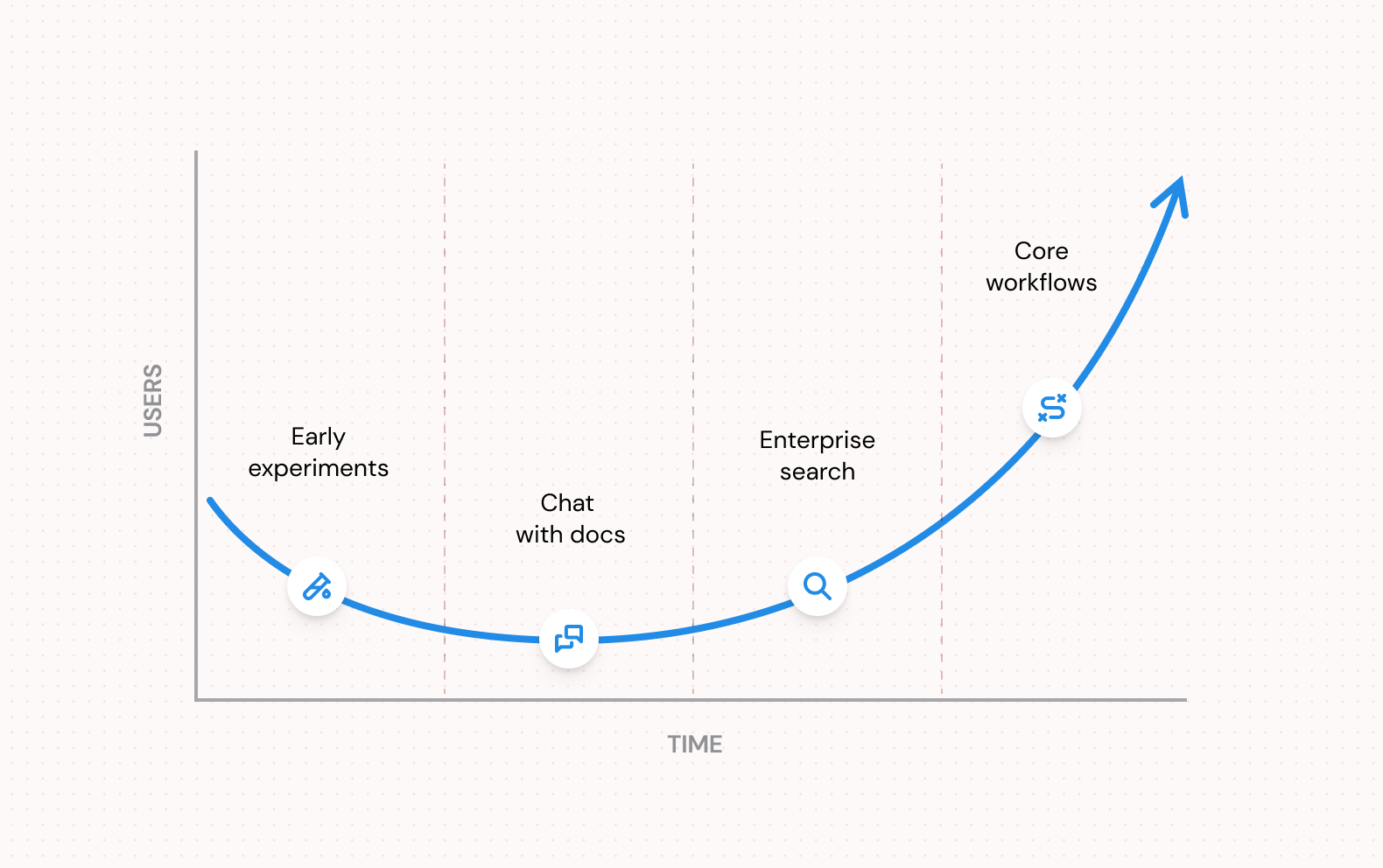
Connect the tokenization layer with your enterprise resource planning (ERP) and accounting systems. This integration ensures that asset ownership, transfers, and dividends are reflected in real-time across your financial ledgers. Use standardized APIs to maintain data integrity and reduce manual reconciliation errors during the scaling phase.
Deploy automated compliance modules that enforce KYC/AML checks and investor accreditation status before any transaction is finalized. These guards must be immutable and auditable, ensuring that only eligible participants can hold or trade RWA tokens. Regular audits of these protocols are essential to maintain trust with regulators and institutional investors.
Establish a decentralized governance framework for the RWA pool, allowing stakeholders to vote on key parameters such as fee structures or asset additions. This transparency builds confidence among enterprise partners and reduces the risk of unilateral changes that could disrupt the market. Document all governance decisions on-chain for full auditability.
Continuously monitor network performance, gas costs, and security incidents. Use data analytics to identify bottlenecks in the tokenization workflow and optimize smart contract efficiency. Regular security assessments and penetration testing are critical to maintaining the integrity of the enterprise adoption infrastructure.
The goal is to create a resilient, compliant, and scalable system that supports the long-term growth of your RWA tokenization initiatives.
Measuring success and scaling operations
Defining clear KPIs is the bridge between a successful pilot and enterprise-grade infrastructure. For RWA tokenization, success isn't just about volume; it's about the health of the underlying asset and the efficiency of the settlement layer.
Focus on liquidity depth to ensure assets can be traded without significant slippage, and transaction volume to validate network utility. Equally critical is compliance accuracy—automated on-chain checks must reduce regulatory friction rather than create new bottlenecks.
Scaling beyond the initial pilot requires a phased approach. Start by integrating with existing custodial partners to maintain regulatory alignment, then gradually expand to cross-chain bridges as liquidity matures. This ensures your RWA tokenization strategy remains robust as it grows.
No comments yet. Be the first to share your thoughts!