Defining the infrastructure layer
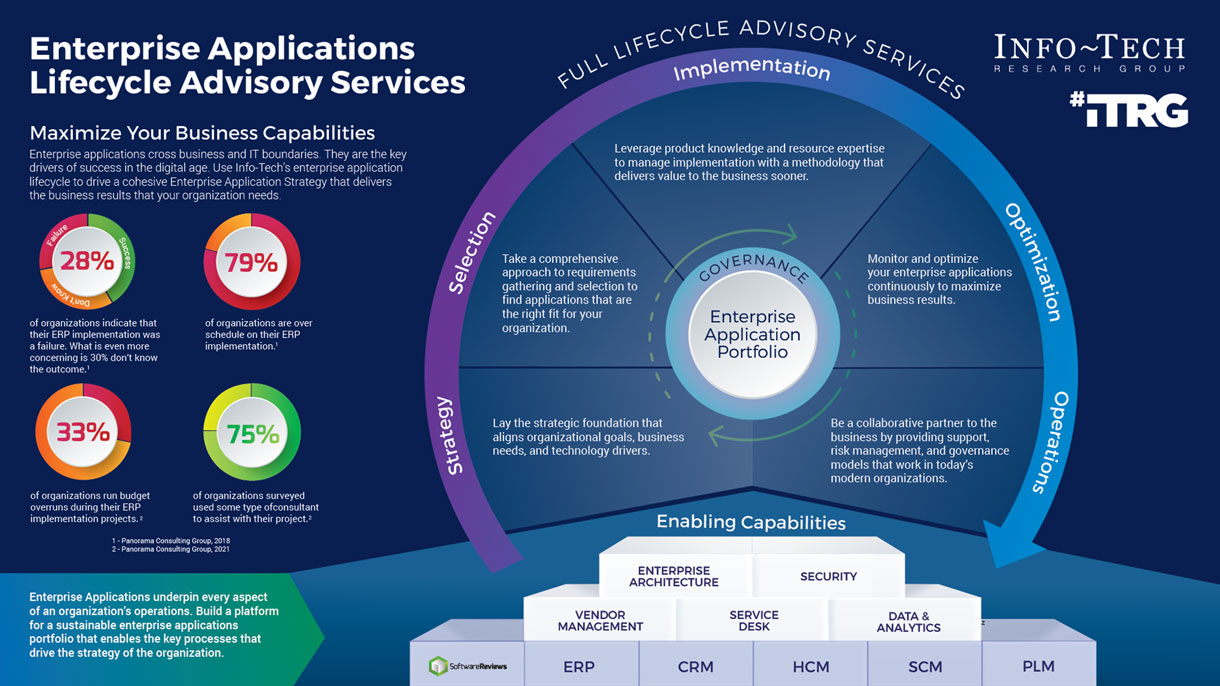
Enterprise adoption infrastructure is not just software. It is the operational and governance layer that connects AI, data, and blockchain systems. Without this foundation, AI pilots remain isolated experiments rather than integrated business capabilities.
Modern AI infrastructure includes orchestration layers that coordinate how models, data, and applications interact within multi-step workflows. These layers ensure that systems like Microsoft Copilot or Salesforce Agentforce operate reliably alongside existing enterprise data structures.
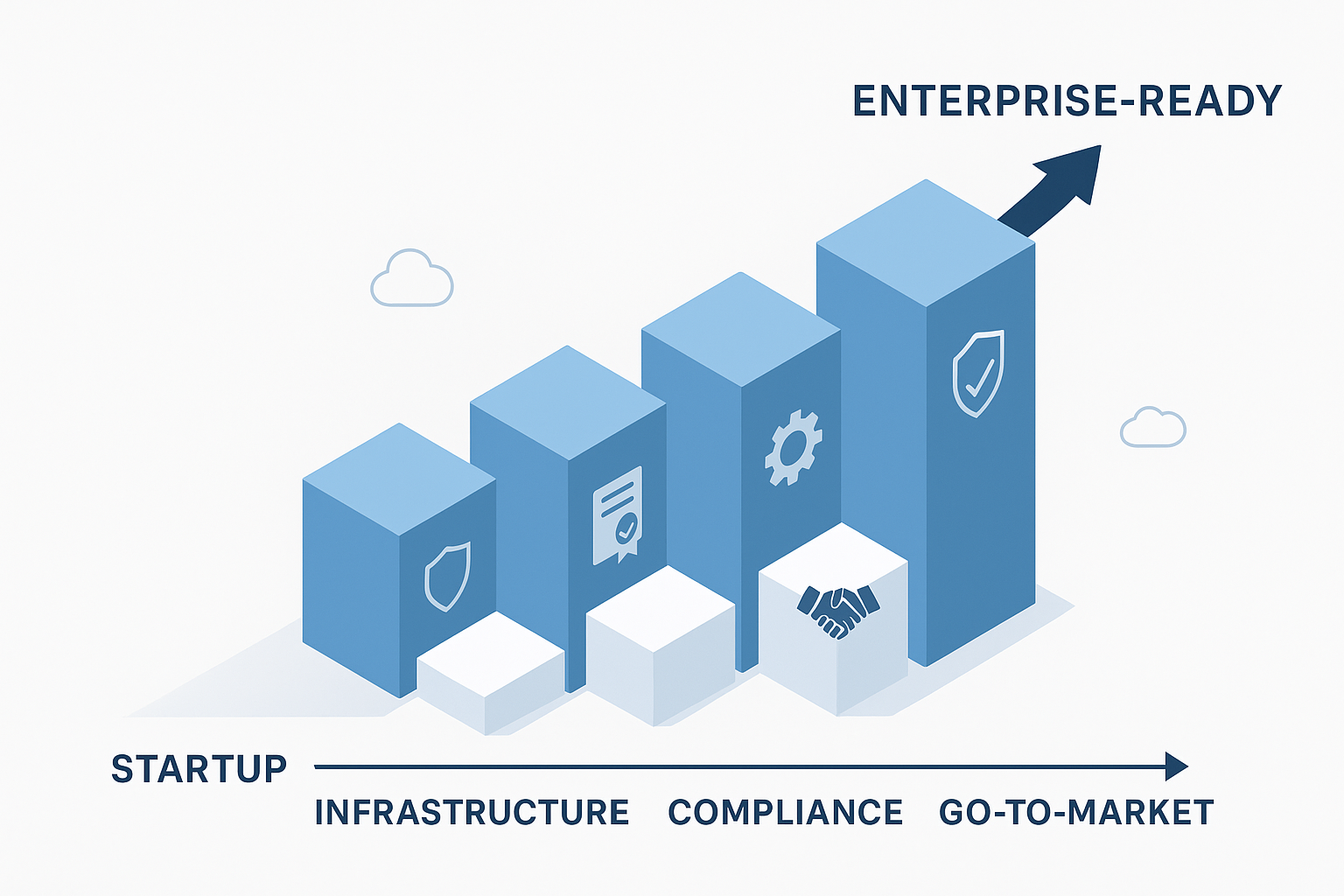
This infrastructure acts as the connective tissue between disparate technologies. It standardizes data flows, enforces security protocols, and manages the lifecycle of AI models across the organization. By treating infrastructure as a strategic layer rather than a technical afterthought, enterprises can achieve sustainable adoption rather than temporary integration.
Mapping data and model interoperability
Tokenized assets are useless if your AI models can’t read the data they sit on. Enterprises often treat AI and legacy data systems as separate silos, but for tokenization to work, they must talk to each other in real time. This section walks through the steps to bridge that gap.
Start by mapping where your asset data lives. Tokenized assets require structured, high-fidelity data feeds. If your data is trapped in legacy ERPs or unstructured spreadsheets, your AI models will hallucinate or fail. Identify the primary data sources that feed your tokenization layer.
AI models need clean, consistent inputs. Implement data governance frameworks that standardize schemas across departments. This ensures that when an AI model evaluates a tokenized asset, it sees the same data regardless of whether it comes from finance, operations, or legal. IBM notes that scalable, secure platforms are essential for this integration.
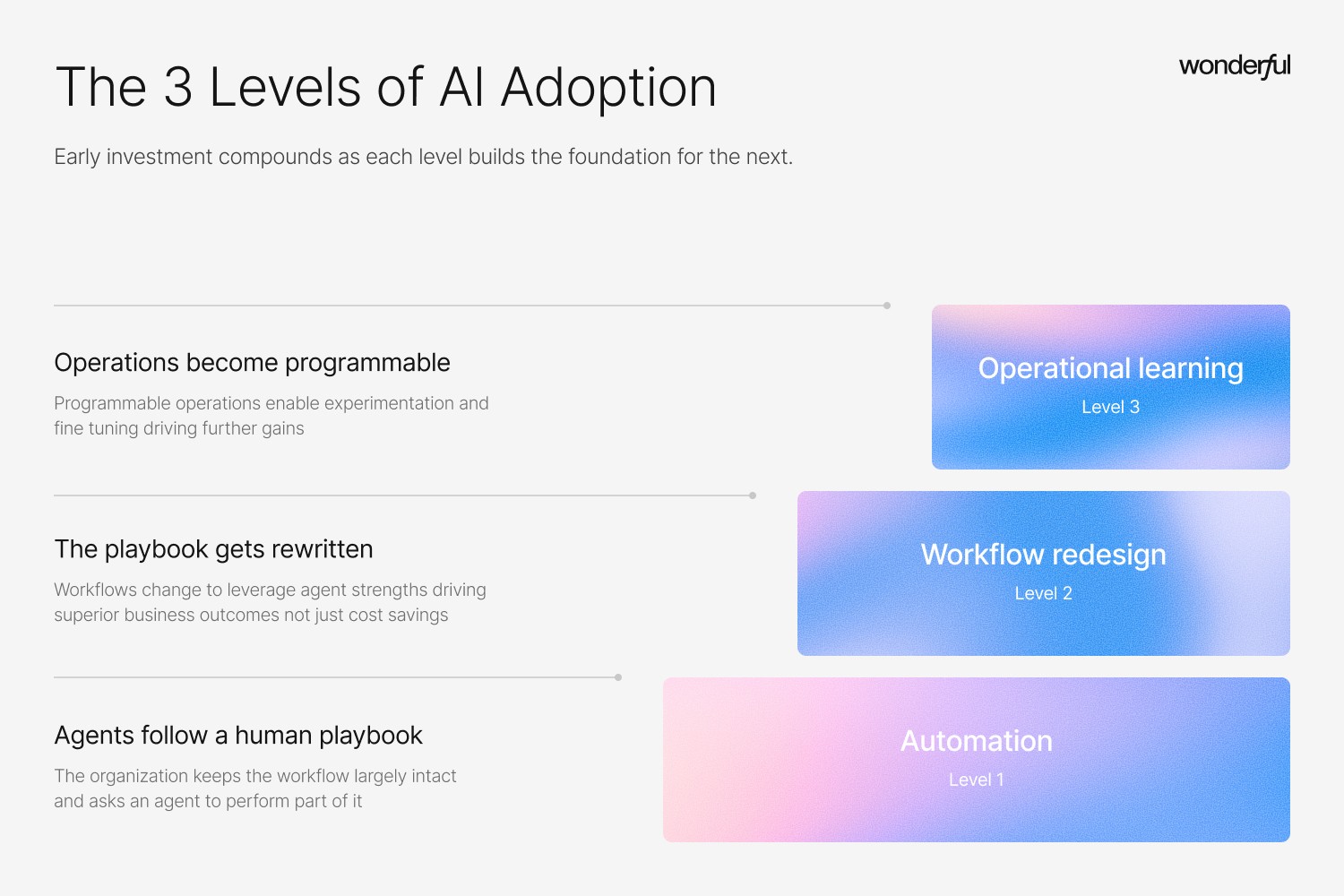
Modern AI infrastructure requires an orchestration layer to coordinate how models, data, and applications interact. This middleware acts as the translator between your tokenized asset registry and your AI inference engines. It manages data flow, ensures low-latency access, and handles the complex multi-step processes required for real-time asset valuation.
Tokenized assets often involve sensitive financial data. You must embed governance frameworks directly into the interoperability layer. This includes access controls, audit trails, and data lineage tracking. Without these safeguards, integrating AI with tokenized assets introduces unacceptable compliance risks.
The goal is a seamless flow where data informs AI, and AI decisions update the tokenized asset state. This requires more than just API connections; it demands a unified infrastructure strategy that treats data and intelligence as a single, integrated system.
Scaling hybrid and geographic infrastructure
The shift from cloud-only to hybrid infrastructure is no longer optional for enterprise tokenization. As RWA (Real World Asset) networks expand, latency and data sovereignty requirements demand a more distributed approach. According to industry data, 76% of enterprises plan geographic expansion while 53% are adding colocation services to their stack. This move balances the scalability of public cloud with the compliance and performance needs of physical assets.
The choice between cloud-only, hybrid, and colocation depends on where your data lives and who needs to access it. Cloud-only offers speed but can struggle with cross-border regulatory hurdles. Colocation provides physical control and lower latency for high-frequency trading, while hybrid models offer the flexibility to balance both. Understanding these trade-offs is essential for building a resilient adoption infrastructure.
Infrastructure Comparison
| Feature | Cloud-Only | Hybrid | Colocation |
|---|---|---|---|
| Latency | Higher (geographic distance) | Low (edge nodes) | Lowest (local proximity) |
| Compliance | Complex (data residency) | Flexible (data segregation) | High (physical control) |
| Scalability | Infinite | Moderate | Limited by hardware |
| Cost Model | OpEx (pay-per-use) | Mixed | CapEx + OpEx |
| Best For | Non-sensitive data | Mixed workloads | High-frequency trading |
For enterprises managing tokenized assets, the hybrid model often emerges as the pragmatic middle ground. It allows sensitive ledger data to remain on-premise or in colocation facilities while leveraging the cloud for analytics and user interfaces. This structure supports the rigorous audit trails required by financial regulators without sacrificing the agility needed for market growth.
Addressing compliance and governance risks
Governance frameworks are the primary mechanism for overcoming the biggest barrier to enterprise AI adoption: demonstrating value. Without a clear structure to manage risk, even the most advanced infrastructure struggles to gain traction. Recent data indicates that 49% of enterprises cite demonstrating value as their primary hurdle, a challenge that is inextricably linked to their ability to govern AI deployments securely and predictably [src-serp-6].
A robust governance model does more than just check boxes; it provides the visibility needed to justify investment. By establishing clear protocols for data usage, model behavior, and security, organizations can create the trust required for broader adoption. This is not merely a technical requirement but a business imperative that aligns AI initiatives with broader corporate objectives [src-serp-4].
Implementing these frameworks early in the infrastructure build-out prevents costly reworks later. It allows teams to move from experimental pilots to production-grade systems with confidence, ensuring that every deployment contributes measurable value while maintaining strict compliance standards.
Selecting tools for long-term adoption
Choosing the right infrastructure isn't about buying the flashiest new model; it's about building a foundation that holds up under pressure. Enterprise AI adoption requires tools that integrate cleanly with existing data lakes while providing the governance needed to keep operations secure. As the 451 Alliance notes, the shift from simple data storage to "AI factories" demands a complete overhaul of the underlying technical stack. You need systems that can handle the load without slowing down daily workflows.
Focus on platforms that offer MLOps capabilities and robust feature stores. These tools allow your team to move from experimentation to production without reinventing the wheel for every new project. Look for solutions that prioritize scalability and security, ensuring that your infrastructure can grow as your AI initiatives expand. The goal is to reduce friction between development and deployment, making it easier for teams to collaborate and innovate.
To see how these infrastructure choices impact market dynamics, consider the performance of major cloud providers who are leading this shift. Their stock performance often reflects investor confidence in their ability to deliver scalable AI infrastructure.
When evaluating specific tools, prioritize those that offer clear ROI and ease of integration. Avoid vendors that promise magic solutions without a clear path to implementation. Instead, look for partners who provide transparent pricing, strong support, and a proven track record in enterprise environments. This approach ensures that your investment in adoption infrastructure yields tangible results.
For teams looking to deepen their understanding of these infrastructure principles, the following resources provide practical guidance on building scalable AI systems.


As an Amazon Associate, we may earn from qualifying purchases.
No comments yet. Be the first to share your thoughts!