What enterprise adoption means now
Enterprise adoption in 2026 is no longer about testing isolated chatbots or running short-lived proof-of-concepts. It is the strategic integration of artificial intelligence and real-world asset (RWA) infrastructure into the core operational layers of a business. As noted by Anthropic, moving from pilot to production-ready agents requires a deliberate three-step approach that prioritizes reliability and governance over speed. This shift transforms AI from a novelty into a foundational utility, much like cloud computing became standard practice over the last decade.
The distinction between experimentation and production-scale integration is stark. Early adopters often stopped at customization, tweaking existing models for specific tasks. Successful enterprises now invest in training their own agentic systems and tokenizing physical assets to create liquid, programmable value streams. This dual-layer infrastructure allows companies to automate complex workflows while simultaneously unlocking capital efficiency through RWA tokenization.
OpenAI’s research highlights that the most successful enterprises are those that treat AI integration as a continuous engineering discipline rather than a one-time software purchase. This means establishing robust governance frameworks, ensuring data sovereignty, and building internal expertise to maintain these systems. The goal is not just efficiency, but the creation of new business models that were previously impossible due to regulatory or technological constraints.
This evolution demands a holistic view of technology. Leaders must align their AI capabilities with their RWA strategies, ensuring that both layers communicate seamlessly through standardized APIs and governance protocols. The result is a resilient, adaptive enterprise capable of navigating the complexities of the digital economy with precision and speed.
Mapping the RWA and AI infrastructure stack
Building an enterprise-grade stack for tokenized assets requires more than just connecting a database to a blockchain. It demands a layered architecture where AI agents handle the heavy lifting of data validation, while the RWA layer ensures regulatory compliance and asset integrity. This integration transforms static data into dynamic, executable financial instruments.
The shift from legacy infrastructure to modern RWA/AI stacks is defined by autonomy and precision. Legacy systems rely on manual reconciliation and siloed data, creating friction that slows down settlement. In contrast, an AI-integrated stack uses agentic workflows to monitor asset performance in real-time, triggering smart contract executions only when governance rules are met. This reduces operational overhead and minimizes human error.
To understand the architectural shift, we can compare the core components of traditional financial infrastructure against those required for AI-driven RWA management. The table below highlights the differences in data handling, governance, and execution layers.
| Component | Legacy Infrastructure | Modern RWA/AI Stack |
|---|---|---|
| Data Layer | Siloed databases; manual entry | Unified data lake; AI-validated feeds |
| Governance | Static rules; periodic audits | Real-time policy enforcement; AI agents |
| Execution | Batch processing; manual triggers | Smart contracts; agentic automation |
| Risk Management | Historical analysis; reactive | Predictive modeling; proactive alerts |
Deloitte notes that successful agentic AI adoption requires a multiphase approach, focusing on cost, workforce, and risk factors. For RWA, this means starting with high-value, low-complexity assets where AI can demonstrate clear value in due diligence and compliance monitoring before scaling to more complex structures. The goal is not to replace human oversight but to augment it with systems that can process vast amounts of on-chain and off-chain data simultaneously.
Moving from Pilot to Production
The gap between a successful pilot and a production-ready system is where most enterprise AI initiatives fail. Without a structured workflow, models trained on clean data quickly degrade when exposed to the messy reality of enterprise operations. Integrating AI with Real World Asset (RWA) infrastructure requires more than just API calls; it demands a rigorous adoption workflow that treats governance and risk management as foundational layers, not afterthoughts.
Anthropic’s enterprise transformation framework outlines a proven three-step approach to accelerating this shift. This workflow is designed to help leaders move beyond experimental agents to scalable, production-ready systems that can handle the complexity of tokenized assets and real-time financial data. By following this sequence, organizations can ensure their AI infrastructure is robust, compliant, and ready for scale.
Before deploying any agentic workflow, clearly define the operational boundaries. For RWA integration, this means specifying which asset classes the AI can interact with and which decisions require human approval. Establish a governance framework that dictates data access levels, ensuring that sensitive financial data used for tokenization remains isolated from general model training. This step prevents scope creep and ensures that risk management protocols are baked into the system architecture from day one.
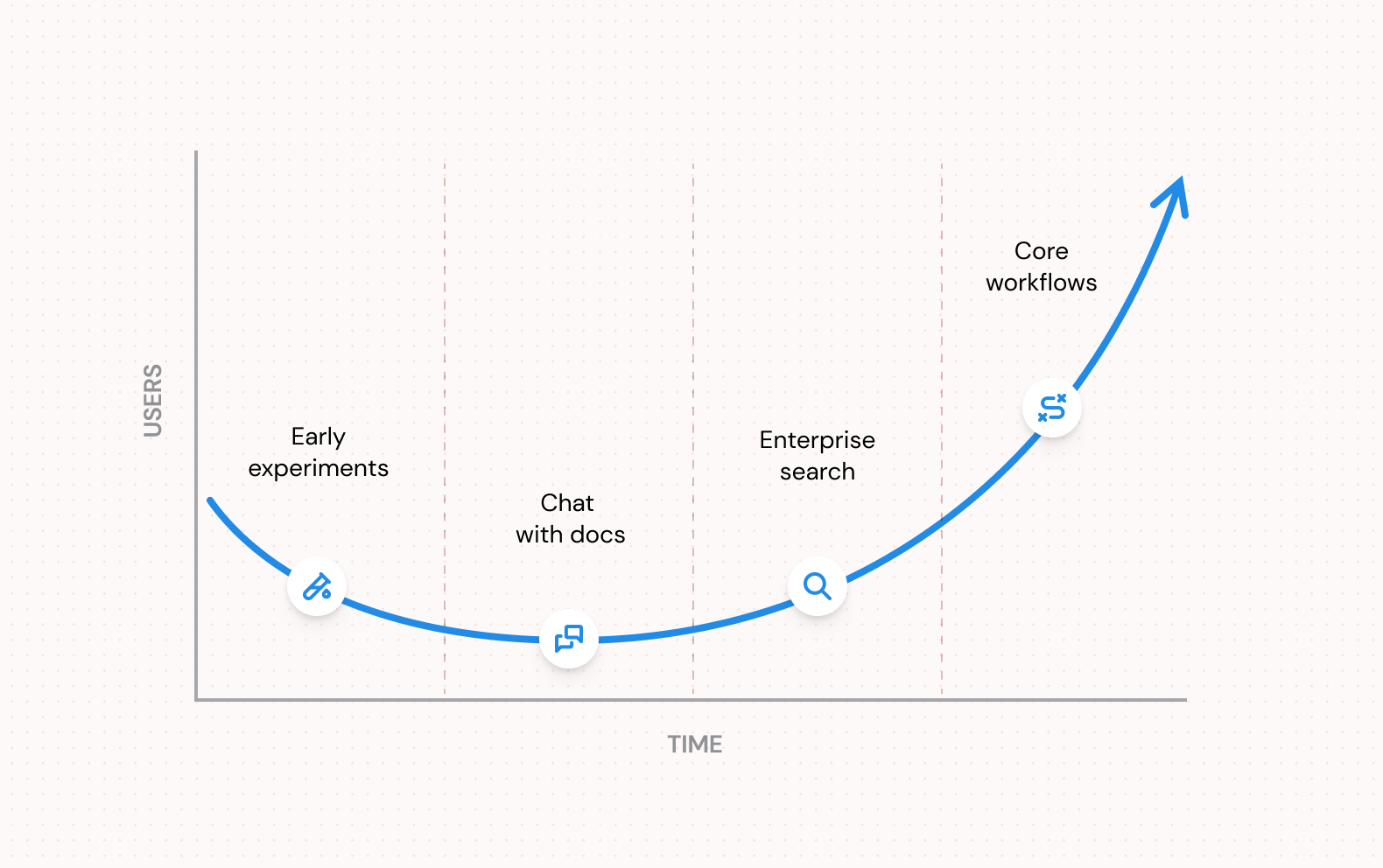
Run a controlled pilot in a sandboxed environment that mirrors production conditions. Test the AI’s ability to interpret RWA data streams, such as oracle feeds or smart contract states, without affecting live assets. Monitor for hallucinations in financial reporting and latency in transaction processing. This phase is critical for identifying edge cases where the AI might misinterpret regulatory requirements or asset valuations, allowing teams to refine prompts and guardrails before full deployment.
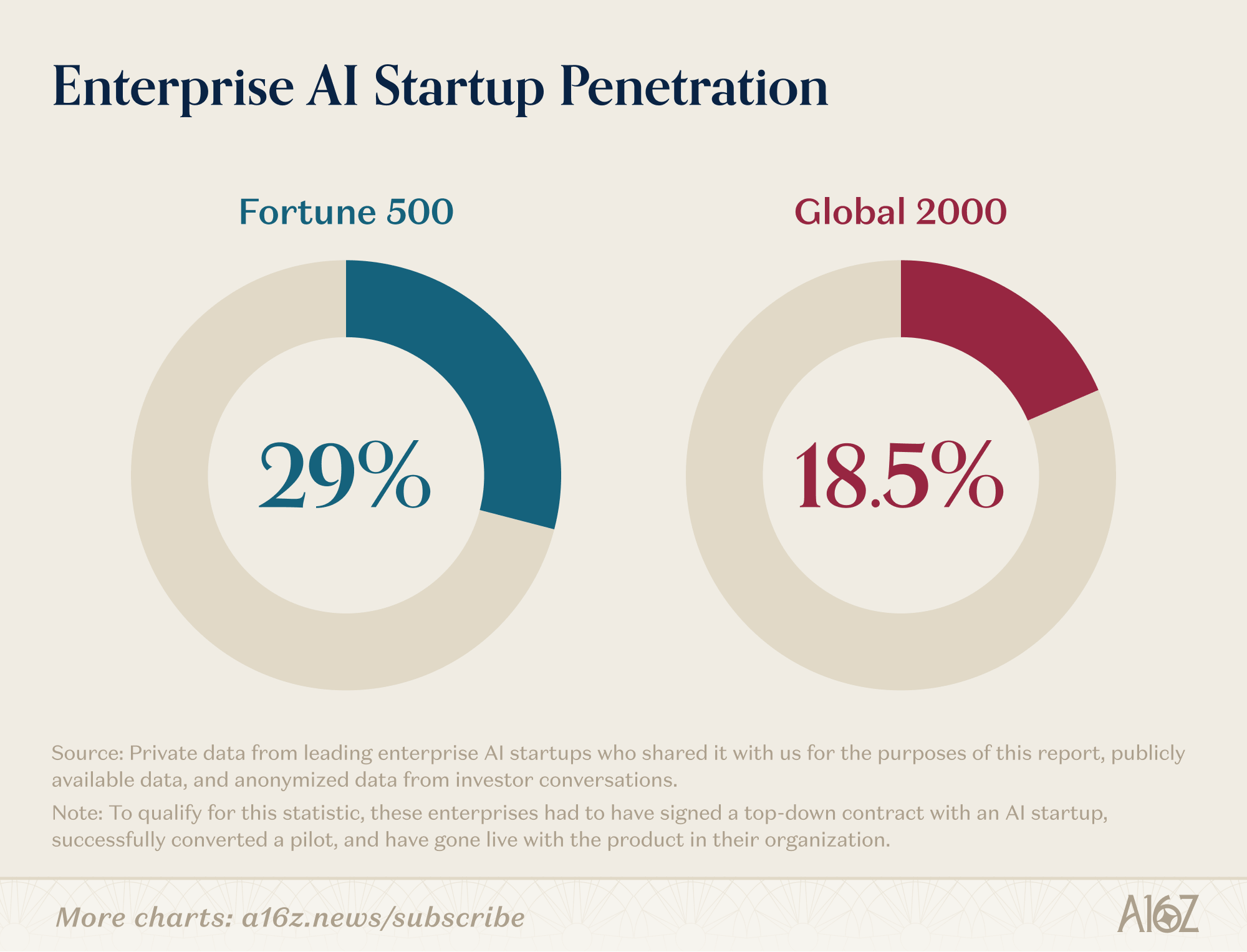
Once the pilot proves stable, scale the infrastructure by implementing automated monitoring and continuous feedback loops. Use tools that track model drift, data integrity, and compliance adherence in real-time. Integrate the AI with existing enterprise systems, such as ERP or blockchain explorers, to ensure seamless data flow. Establish a rapid response protocol for any anomalies, ensuring that the system can automatically halt operations if risk thresholds are breached, maintaining trust in the RWA ecosystem.
This three-step workflow transforms AI from a experimental tool into a core component of your RWA infrastructure. By prioritizing governance and structured validation, enterprises can mitigate risk while unlocking the efficiency gains of automated asset management.
Choosing the right tools and platforms
Selecting the right infrastructure requires balancing security, scalability, and cost. As OpenAI notes in its enterprise adoption guide, the most successful deployments focus on practical integration rather than theoretical capability. You need tools that support agentic workflows while maintaining strict governance over tokenized assets.
Start with AI model providers that offer enterprise-grade security and compliance. Look for platforms that support fine-tuning on proprietary data, ensuring your AI agents operate within your specific risk parameters. This layer is critical for handling sensitive financial data and ensuring that AI decisions are auditable and explainable.
For RWA infrastructure, prioritize platforms that support real-time settlement and interoperability. The right tools should allow you to tokenize assets without creating silos. Integration with existing ERP and financial systems is non-negotiable; your infrastructure must speak the same language as your legacy systems to avoid operational friction.
Consider the total cost of ownership. Cloud-native solutions often offer better scalability but may introduce data sovereignty concerns. On-premise or hybrid setups provide more control but require significant upfront investment. Evaluate each option against your specific regulatory requirements and long-term growth plans.

As an Amazon Associate, we may earn from qualifying purchases.
Finally, validate your choices with pilot projects. Before committing to a full-scale rollout, test your selected tools with a limited set of assets or AI agents. This approach allows you to identify potential bottlenecks and refine your governance models without risking significant capital or operational disruption.
Track performance with live market data
Measuring the success of your AI and RWA infrastructure requires more than internal audits; you need to see how these assets behave in live markets. As OpenAI notes in their enterprise guide, success comes from customizing and training your own AI models to fit specific business layers, but the financial validation happens on-chain and in trading volumes.
Use live charts to monitor volatility and adoption trends. A TechnicalChart for a relevant index or asset provides the real-time context needed to spot market shifts before they impact your operational costs.
Pair this with a PriceWidget to track the current valuation of key RWA tokens or AI-related equities. This combination of technical analysis and live pricing gives you a clear signal on whether your infrastructure investment is gaining traction or facing headwinds.
No comments yet. Be the first to share your thoughts!