Why enterprises need Web3 infrastructure
The conversation around Web3 has shifted from speculative hype to practical infrastructure. For enterprise leaders, the focus is no longer on whether blockchain exists, but how it integrates into existing operational workflows. The value proposition lies in three concrete areas: immutable audit trails, automated compliance through smart contracts, and new revenue models enabled by tokenized assets.
Enterprises seeing the most success are those that treat Web3 as a backend utility rather than a customer-facing gimmick. This mirrors the broader trend in enterprise technology adoption, where the most effective implementations are customized to specific internal needs rather than applied as one-size-fits-all solutions. By focusing on production-ready infrastructure, organizations can move beyond experimental pilots to systems that handle real transaction volumes and regulatory requirements.
The business case is driven by efficiency gains. Smart contracts reduce the need for intermediaries in complex supply chains and financial settlements, lowering costs and speeding up processing times. Meanwhile, the transparency inherent in distributed ledgers provides a single source of truth for auditors and regulators, reducing the friction of compliance reporting.
This transition requires a different approach to risk management. Unlike traditional IT projects, Web3 infrastructure involves immutable code and decentralized governance structures. Leaders must prioritize security audits and clear governance frameworks before scaling. The result is not just a new technology stack, but a more resilient and transparent operational model.
Assessing market readiness and volatility
Enterprise leaders often treat Web3 infrastructure like a speculative asset rather than a utility layer. This mindset creates friction when trying to align treasury management with long-term operational goals. To build a resilient stack, you need to separate price noise from adoption signals.
The current market state is defined by high volatility, which can deter cautious procurement teams. However, this volatility also presents opportunities for cost-effective deployment during downturns. Understanding the relationship between token prices and infrastructure usage is critical for timing your investment.
Price action alone doesn't dictate readiness. You must look at on-chain metrics, such as active addresses and transaction volume, to gauge real usage. When usage grows while price stabilizes, it signals a maturing ecosystem. This is the window where enterprises should consider scaling their Web3 initiatives.
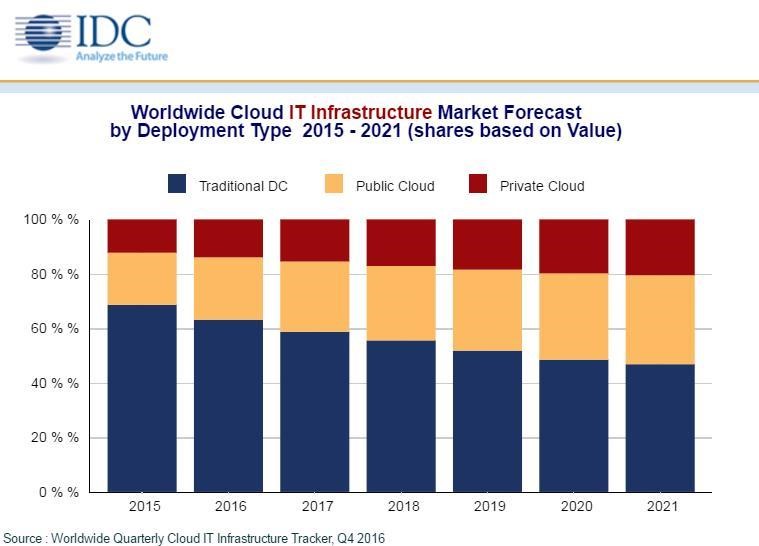
Consider the parallel with SaaS adoption. In the early days, cloud providers faced skepticism due to security concerns and cost uncertainty. Today, hybrid SaaS is the norm because enterprises proved it works. Web3 is at a similar inflection point, where practical utility is beginning to outweigh speculative interest.
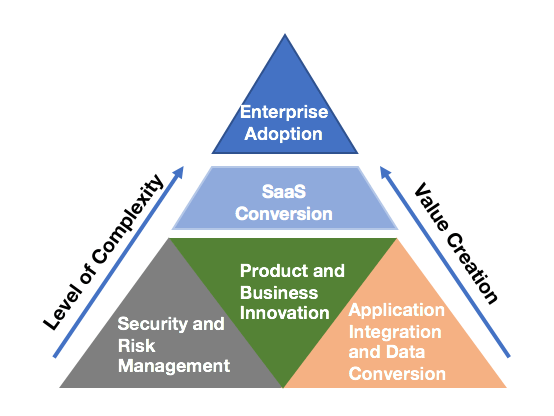
To manage this volatility, focus on infrastructure that solves specific business problems, such as supply chain transparency or automated settlements. Avoid building on chains with low liquidity or high gas fees, as these will hinder scalability. By prioritizing stability and utility, you can mitigate the risks associated with market fluctuations.
Building the technical foundation
Scaling Web3 infrastructure requires more than just connecting to a public testnet. Enterprise operations demand a stack built for reliability, security, and auditability. You need to treat nodes, RPC endpoints, and wallet solutions as critical production assets, not developer playgrounds.
Nodes and RPCs
Public RPCs are rarely suitable for production. They are rate-limited, unpredictable, and often lack the historical data required for complex indexing. Instead, run dedicated nodes or use enterprise-grade providers like Alchemy, Infura, or QuickNode. These services offer high availability, SLA-backed uptime, and dedicated support channels that are essential when your application depends on real-time blockchain state.
Wallet and Key Management
For enterprise applications, managing private keys manually is a liability. Use hardware security modules (HSMs) or custodial solutions that support multi-signature requirements. This ensures that no single point of failure can compromise your assets. Look for wallets that integrate with existing identity providers (OIDC/SAML) to align with your current IT security policies.
Comparing Infrastructure Providers
Choosing the right provider depends on your specific needs for latency, cost, and scalability. The table below compares key infrastructure components based on security, cost, and scalability.
| Provider | Security | Cost | Scalability |
|---|---|---|---|
| Dedicated Node | High (Private) | High | Manual |
| Enterprise RPC | High (SLA) | Medium | High |
| Public RPC | Low | Free | Low |
Navigating compliance and risk
Enterprise adoption of Web3 infrastructure cannot proceed without a rigorous compliance framework. Unlike traditional fintech, the decentralized nature of blockchain introduces unique regulatory ambiguities. Leaders must treat regulatory clarity not as a hurdle, but as a foundational component of system architecture.
The primary challenge lies in aligning decentralized protocols with existing financial regulations. Organizations must implement robust governance structures that can adapt to evolving legal standards. This involves integrating compliance checks directly into smart contract logic and transaction monitoring systems. Without this integration, enterprises risk exposing themselves to significant legal liabilities.
Risk management strategies must extend beyond financial metrics to include operational and reputational risks. This requires a multiphase approach that assesses workforce readiness, cost implications, and potential security vulnerabilities. Deloitte notes that addressing these factors is critical for sustainable adoption. Companies that fail to address these risks early often face costly retrofits or regulatory penalties.
To mitigate these risks, enterprises should prioritize partnerships with established compliance providers and legal experts. Internal audit teams must be empowered to oversee Web3 initiatives with the same rigor as traditional IT projects. This proactive stance ensures that innovation does not outpace governance.
By focusing on practical, actionable advice, enterprise leaders can manage the complex regulatory landscape. The goal is to build infrastructure that is not only innovative but also resilient and compliant with global standards.
Moving from strategy to implementation
Strategy without execution is just speculation. To scale Web3 infrastructure, you need a disciplined rollout that prioritizes security and user adoption over technical novelty. Treat this phase like deploying a core financial system: test rigorously, monitor closely, and iterate based on real data.
Start with a single, non-critical workflow. Whether it’s internal tokenized rewards or a specific supply chain record, isolating the use case limits exposure. Define clear success metrics before writing a single line of code.
Never deploy untested contracts to mainnet. Use established frameworks like OpenZeppelin and conduct third-party audits. Security is not a feature; it is the foundation. If the contract fails, the enterprise fails.
Web3 should not exist in a vacuum. Build robust APIs (oracles) that connect blockchain data to your ERP or CRM. Your employees and customers should interact with the benefits of Web3 without needing to understand the underlying ledger.
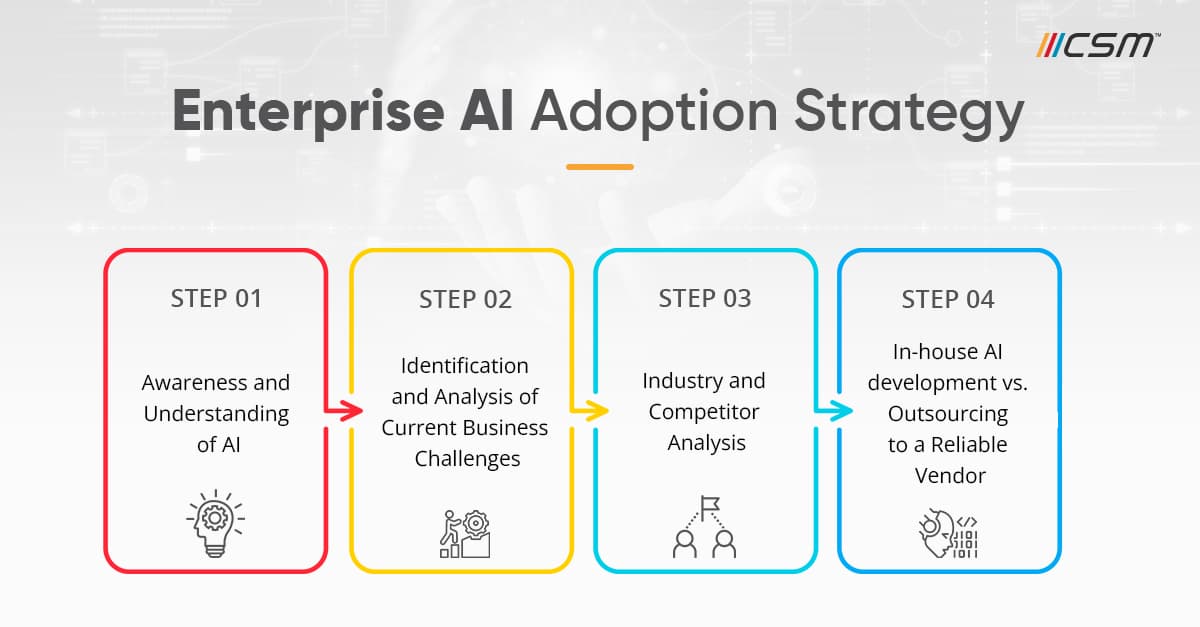
Measure engagement, transaction costs, and user drop-off points. Use this data to refine the user experience and adjust the technical stack. Adoption is a continuous process, not a one-time launch event.
This structured approach minimizes risk while maximizing the potential for scalable growth. By focusing on integration and measurable outcomes, you turn Web3 from an experiment into a reliable enterprise asset.
No comments yet. Be the first to share your thoughts!