The enterprise adoption limits to account for
Scaling Web3 infrastructure requires more than just deploying nodes; it demands a rigorous assessment of organizational readiness. The primary constraint is rarely technical capability but rather the alignment of legacy systems with decentralized protocols. Enterprises must evaluate their current data silos, compliance frameworks, and internal governance structures before committing to a Web3 stack.
Most organizations stall because they treat blockchain as a solution in search of a problem. A practical approach starts with identifying specific bottlenecks in supply chain transparency, cross-border payments, or digital identity verification. These use cases offer clear ROI metrics, unlike broad "innovation" initiatives that lack measurable outcomes.
Technical integration remains a significant hurdle. Legacy ERP systems often lack the APIs or data structures needed to interact with smart contracts efficiently. Bridging this gap typically requires middleware solutions or custom connectors, adding layers of complexity and potential points of failure. Teams must account for these integration costs in their initial project scoping.
Finally, regulatory uncertainty creates a risk premium that many CFOs are unwilling to absorb. Without clear guidelines on token classification, data privacy (GDPR/CCPA), and tax implications, legal teams often block deployment. A successful adoption strategy includes a dedicated compliance workstream that operates parallel to technical development.
Enterprise adoption choices that change the plan
Scaling Web3 infrastructure requires balancing speed, security, and cost. There is no single perfect architecture; every choice involves a specific compromise. CIOs must evaluate these factors against their current operational maturity and risk tolerance.
Control vs. Speed
Self-hosted nodes offer full data sovereignty but demand significant DevOps overhead. Public RPC providers reduce maintenance burden but introduce single points of failure. For mission-critical transactions, hybrid models that route critical calls to private nodes often provide the best balance.
Latency vs. Finality
Public blockchains prioritize decentralization, resulting in higher confirmation times. Private or permissioned ledgers offer near-instant finality but sacrifice the trustless guarantee of public networks. Evaluate whether your workflow requires immediate settlement or can tolerate the delay inherent in decentralized consensus.
Cost vs. Compliance
On-chain storage is immutable and transparent, which aids auditing but raises privacy concerns under GDPR. Layer-2 solutions reduce transaction fees but add complexity to the tech stack. Calculate the total cost of ownership, including gas fees, infrastructure management, and potential compliance penalties.
| Factor | Option A | Option B |
|---|---|---|
| Data Sovereignty | High (Self-hosted) | Low (Public RPC) |
| Setup Complexity | High | Low |
| Transaction Cost | Variable | Low |
| Finality Time | Instant | Minutes/Hours |
| Compliance Risk | Manageable | High |
Build a practical decision framework
Enterprise Web3 adoption moves beyond pilot projects into structured infrastructure deployment. The goal is not just to test blockchain capabilities, but to integrate them into core business logic with measurable ROI. To achieve this, organizations must treat adoption as a phased engineering challenge rather than a marketing initiative. This framework breaks the process into three critical decision points: identifying high-value use cases, selecting the right technical stack, and establishing governance.
Focus on problems where blockchain’s immutability or decentralization provides a clear competitive advantage. Common high-value areas include supply chain provenance, tokenized assets, and cross-border settlement. Avoid using Web3 for simple data storage or internal record-keeping where a traditional database is faster and cheaper. The test is simple: does the business lose money or trust by not using a decentralized ledger?
Choose a blockchain protocol that aligns with your compliance and performance needs. For private enterprise data, consider permissioned ledgers like Hyperledger Fabric or Quorum. For public-facing applications, Ethereum Layer-2 solutions offer scalability and lower transaction costs. Ensure your stack supports interoperability with existing enterprise systems through robust APIs and middleware. This step determines your long-term maintenance burden and developer accessibility.
Web3 introduces unique security risks, including smart contract vulnerabilities and key management issues. Implement a rigorous audit process for all on-chain code before deployment. Define clear governance models for how upgrades are proposed and voted on. Integrate these protocols with your existing identity and access management systems to ensure that only authorized personnel can execute critical transactions. Security is not an afterthought; it is the foundation of enterprise trust.

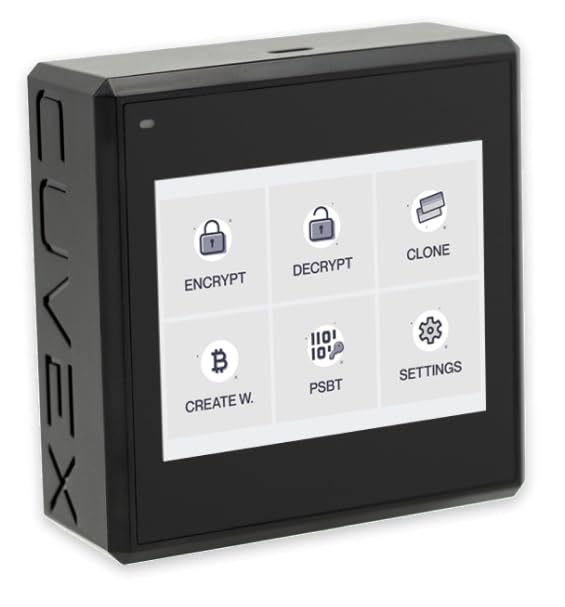

As an Amazon Associate, we may earn from qualifying purchases.
Building this framework requires balancing innovation with stability. Start with a narrow, well-defined use case to validate your technical and operational assumptions. Once the foundation is solid, you can expand to more complex integrations. This disciplined approach minimizes risk while maximizing the strategic value of Web3 infrastructure.
Spotting Weak Web3 Infrastructure Claims
Enterprise Web3 adoption stalls when infrastructure promises outpace reality. The gap between vendor marketing and production readiness creates costly integration debt. Teams must separate genuine scalability from marketing gloss to avoid stranded capital.
The "Zero-Trust" Red Herring
Many platforms claim native zero-trust security while relying on opaque smart contract logic. True zero-trust requires verifiable governance, not just cryptographic jargon. If the source code isn't open for audit, the claim is hollow. Verify the audit trail before signing any contracts.
Hidden Latency in "Instant" Settlements
"Instant" settlement often hides off-chain indexing delays. Users see a confirmed transaction, but the backend state may lag by minutes. For financial applications, this lag breaks compliance requirements. Always test finality times under load, not just on testnets.
Vendor Lock-in via Proprietary Standards
Some ecosystems use proprietary token standards that refuse interoperability. This creates a walled garden that limits future flexibility. Check if your assets can move to other chains without expensive bridges. Lock-in costs compound over time, reducing your strategic options.
Enterprise adoption: what to check next
Before committing to a Web3 infrastructure roadmap, leaders need clarity on the practical friction points that stall deployment. The following questions address the most common objections regarding integration, security, and vendor selection.
No comments yet. Be the first to share your thoughts!