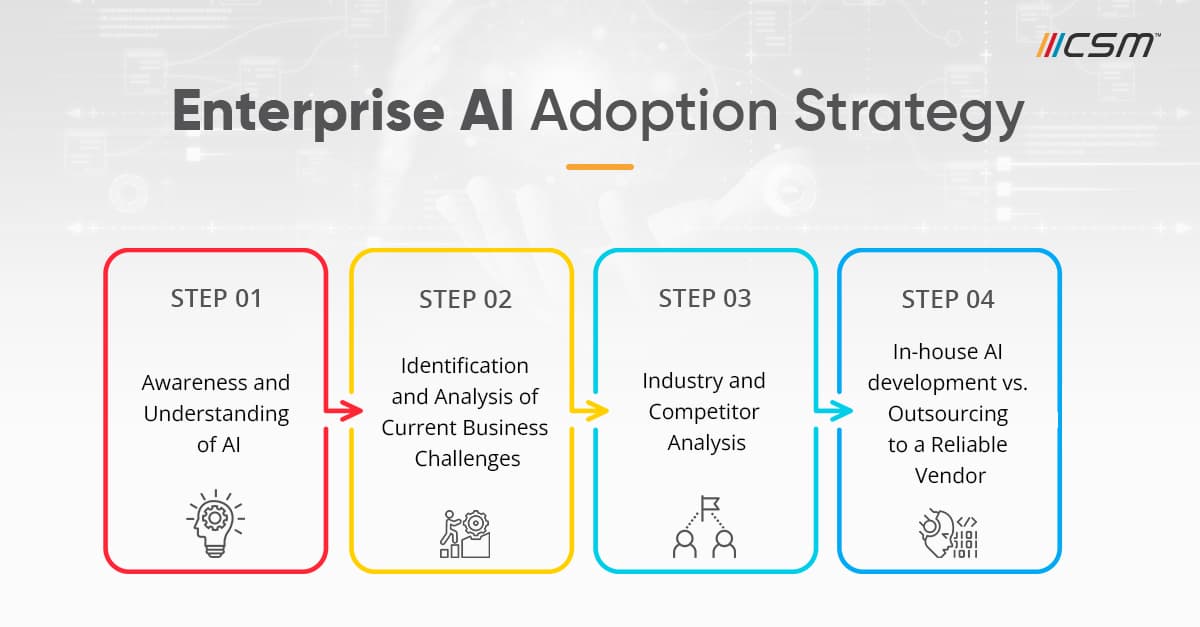
Enterprise adoption strategy limits to account for
Integrating real-world asset infrastructure into enterprise systems is not a cloud migration project. It is a structural overhaul of how capital moves. Unlike software updates, tokenized treasury tools touch legal liability, regulatory compliance, and settlement finality. A misstep here does not just break a workflow; it freezes liquidity.
The primary constraint is not technology but interoperability. Most enterprises operate on legacy ERPs that cannot natively interpret on-chain state. Bridging this gap requires middleware that translates traditional accounting entries into blockchain transactions without losing audit trails. This translation layer must handle the "last mile" problem: ensuring that a tokenized bond on a permissioned ledger matches the custodian’s off-chain records exactly.
Another major hurdle is the fragmentation of standards. While initiatives like the ERC-3643 or ERC-1400 set technical precedents, they have not achieved universal enterprise adoption. Companies must choose between open standards, which offer liquidity but less control, and private chains, which provide governance but limit market access. This choice dictates the entire architecture of the treasury strategy.
Finally, regulatory uncertainty remains the largest variable. Treasury operations are subject to securities laws, anti-money laundering (AML) checks, and tax reporting requirements that vary by jurisdiction. An adoption strategy must embed compliance checks at the smart contract level, not as an afterthought. This means designing tokens that are "compliance-aware" from the start, ensuring that transfers automatically verify investor accreditation and jurisdictional restrictions.
Enterprise adoption strategy choices that change the plan
Integrating real-world asset (RWA) infrastructure requires balancing immediate operational gains against long-term regulatory exposure. Unlike generic AI pilots, tokenized treasury tools demand rigorous compliance frameworks from day one. Organizations must evaluate how these systems interact with existing ERP and treasury management platforms before committing to full-scale deployment.
The following comparison outlines the primary tradeoffs across four critical dimensions. This analysis helps leadership teams identify which infrastructure model aligns with their current risk tolerance and technical maturity.
| Evaluation Factor | Custodial RWA | Decentralized Treasury | Hybrid Bridge |
|---|---|---|---|
| Regulatory Risk | High complexity; requires self-custody solutions and internal legal oversight. | Moderate; balances custodial ease with on-chain transparency for audits. | |
| Liquidity Access | Limited to approved secondary markets or private placements. | High; 24/7 trading on DEXs and tokenized marketplaces. | Variable; depends on the liquidity pools connected to the custodial layer. |
| Integration Effort | High; requires custom middleware to bridge off-chain data to smart contracts. | Moderate; needs robust middleware to manage state between chains and banks. | |
| Cost Structure | Variable gas fees and smart contract audit costs; unpredictable during volatility. | Mixed; combines custodial fees with blockchain network expenses. |
Market Context
Tokenized asset markets are evolving rapidly. Understanding current liquidity trends and price action is essential for timing infrastructure rollouts.
When evaluating these tradeoffs, prioritize your organization's existing technical stack. Custodial solutions offer a smoother path for traditional finance entities, while decentralized models suit tech-forward firms ready to manage complex self-custody risks.
Choose the next step
Integrating real-world asset (RWA) infrastructure requires moving from theoretical pilots to production-grade treasury tools. The $37 billion invested in enterprise AI infrastructure in 2025 signals that the market is shifting toward scalable, compliant solutions. To navigate this transition, you need concrete evaluation criteria and the right technical stack.
1. Define Treasury Integration Points
Map where tokenized assets will interact with existing ERP and treasury management systems. Look for RWA platforms that support standard APIs for real-time settlement and reconciliation. Prioritize tools that offer granular access controls and audit trails to meet institutional compliance standards.
2. Evaluate Infrastructure Scalability
Test your RWA infrastructure under load. Ensure your blockchain or distributed ledger can handle peak transaction volumes without latency spikes. Verify that your cloud provider supports the specific security certifications required for financial data, such as SOC 2 Type II or ISO 27001.
3. Select Tokenized Treasury Tools
Choose treasury tools that offer seamless liquidity management for tokenized assets. Look for features like automated yield optimization, multi-chain support, and real-time risk analytics. Ensure the tool integrates with your existing custodial solutions for secure key management.
4. Assess Compliance and Regulatory Fit
RWA adoption is heavily influenced by regulatory frameworks. Select tools that provide built-in compliance features, such as KYC/AML checks and geofencing. Consult with legal experts to ensure your tokenization strategy aligns with current securities laws in your target jurisdictions.
5. Build a Phased Rollout Plan
Start with a limited pilot involving a small subset of assets or a specific business unit. Monitor performance metrics closely and gather feedback from treasury staff. Use these insights to refine your infrastructure and processes before scaling to a broader enterprise deployment.


As an Amazon Associate, we may earn from qualifying purchases.
6. Monitor and Optimize Performance
Establish key performance indicators (KPIs) for your RWA infrastructure, such as transaction throughput, settlement time, and compliance accuracy. Regularly review these metrics to identify bottlenecks and areas for improvement. Use data-driven insights to optimize your treasury operations and enhance overall efficiency.
Spotting Weak RWA Infrastructure Options
Enterprise tokenization often promises seamless integration with legacy treasury systems, but the reality is more fragmented. Many platforms market "plug-and-play" connectivity that fails under actual load, creating reconciliation bottlenecks between on-chain settlement and off-chain accounting. Before committing to a vendor, verify their API documentation against your existing ERP stack. Look for explicit support for ISO 20022 messaging standards rather than vague claims of "modern interfaces."
Another common pitfall is ignoring the liquidity constraints of the underlying assets. Tokenized treasuries are only as liquid as the secondary markets supporting them. If a platform cannot demonstrate active trading volume or clear exit mechanisms for your specific asset class, the infrastructure is likely too thin for enterprise-scale deployment. Demand concrete data on secondary market makers and settlement finality times.
Enterprise adoption strategy: what to check next
Integrating real-world asset infrastructure and tokenized treasury tools requires navigating complex regulatory and technical hurdles. Below are the practical objections leaders raise when evaluating this shift.
No comments yet. Be the first to share your thoughts!