Enterprise adoption strategy limits to account for
Scaling Web3 infrastructure requires moving past pilot programs into production-grade operations. The barrier is no longer just technology; it is the alignment of legacy enterprise systems with decentralized protocols. Most failures occur because teams treat Web3 as a novelty rather than a core infrastructure layer.
Enterprise leaders must address three primary constraints: regulatory clarity, interoperability, and cost efficiency. Without clear compliance frameworks, legal teams block deployment. Without interoperable standards, data remains siloed across different blockchain networks. Without cost controls, transaction fees erase potential margins.
The market is shifting from speculative assets to utility-driven infrastructure. Companies that succeed will focus on tools that integrate seamlessly with existing ERP and CRM systems. This means prioritizing solutions that offer API-first architectures and transparent audit trails. The goal is not to replace current systems but to extend their capabilities with verifiable data layers.
Adoption strategies must also account for the learning curve. Employees need training on wallet management, key security, and smart contract interactions. A robust training program reduces errors and increases trust in new tools. Organizations that invest in education see faster adoption rates and fewer security incidents.
Finally, measurement is critical. Enterprises need metrics that tie Web3 activities to business outcomes. Track adoption rates, transaction volumes, and cost savings. Use these data points to justify further investment and refine the strategy. Without clear metrics, Web3 initiatives remain experimental and vulnerable to budget cuts.
Enterprise adoption strategy choices that change the plan
Scaling Web3 infrastructure requires choosing between control, cost, and speed. There is no single best path; the right architecture depends on your compliance needs and technical maturity. The following comparison breaks down the concrete factors you should evaluate when selecting an enterprise-grade solution.
Core Infrastructure Options
| Factor | Public Layer-1 | Permissioned Consortium | Managed Web3 Service |
|---|---|---|---|
| Data Privacy | Public ledger; limited PII handling | Private channels; granular access control | Hosted nodes; encrypted data at rest |
| Compliance | Self-managed KYC/AML layers | Built-in identity verification | Provider-managed regulatory reporting |
| Cost Model | Variable gas fees; high volume risk | Fixed infrastructure costs | Predictable monthly subscription |
| Time to Market | 6–12 months for custom governance | 3–6 months for consortium setup | 4–8 weeks for API integration |
Market Context
The shift from pilot to production is accelerating, with enterprise AI and Web3 investments reaching $37 billion in recent years. This capital influx reflects a broader recognition that decentralized tools are no longer experimental but essential for modern digital infrastructure. Understanding the current market trajectory helps justify the initial investment in more robust, permissioned architectures.
Key Decision Metrics
When evaluating vendors or open-source stacks, focus on three concrete metrics: latency under load, audit trail completeness, and interoperability with existing ERP systems. Public chains offer transparency but often struggle with predictable transaction costs during peak usage. Permissioned networks provide stability but require significant upfront governance setup. Managed services sit in the middle, offering speed at the cost of some architectural flexibility.
Build a practical enterprise adoption strategy
Enterprise AI adoption has reached an inflection point, with $37 billion invested in generative AI alone in 2025. This surge represents a 3.2x increase from the previous year, signaling that organizations must move beyond experimentation to structured deployment. The gap between pilot projects and production-ready agents remains the primary bottleneck for scaling.
Anthropic’s enterprise transformation guide outlines a proven three-step approach to bridge this gap. By focusing on concrete infrastructure and tooling, leaders can accelerate their journey from isolated tests to enterprise-wide integration. The following steps provide a framework for making informed decisions about technology stacks and vendor partnerships.
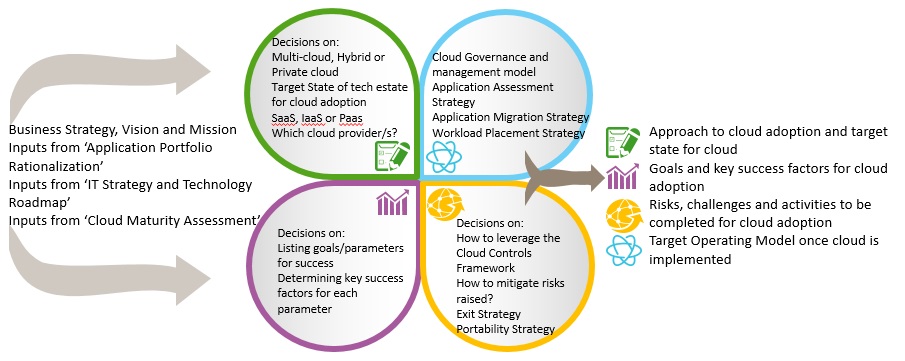
Start by identifying high-impact, low-risk use cases that align with core business objectives. Avoid broad, undefined initiatives. Instead, target specific workflows such as customer support automation or internal knowledge retrieval. This focused approach allows for measurable success and clearer ROI calculations in the early stages.
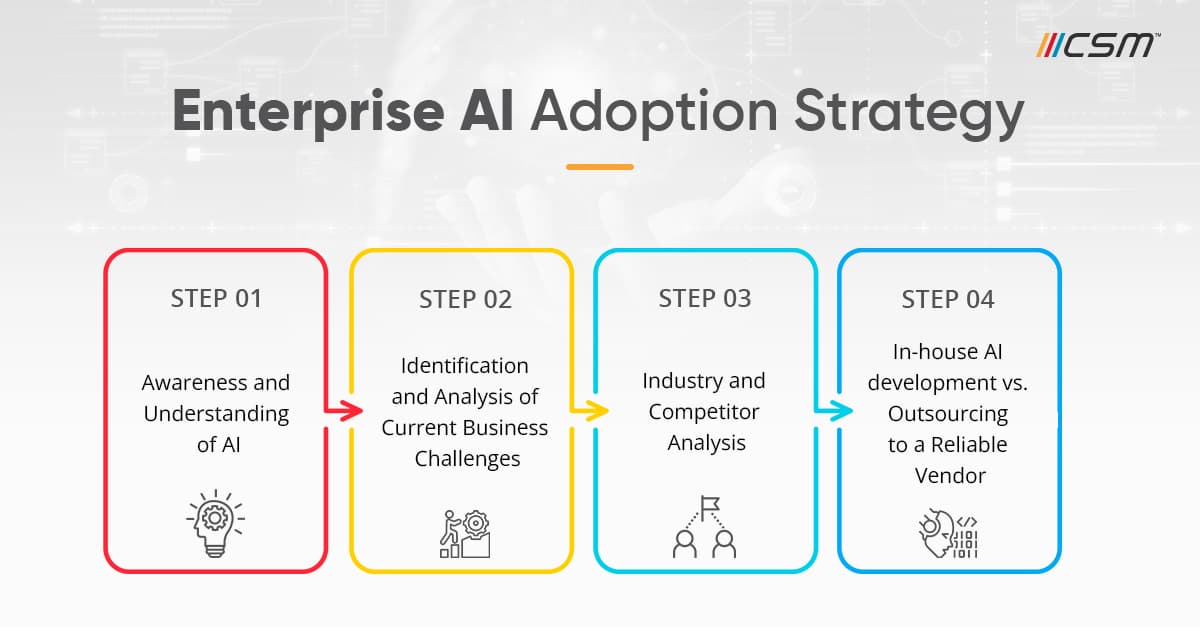
Assess your current IT landscape for compatibility with AI workloads. Key considerations include data privacy, latency, and integration with existing enterprise systems. Choose platforms that offer robust security compliance and scalable compute resources. This step ensures that your foundation can support production-grade AI agents without compromising data integrity.
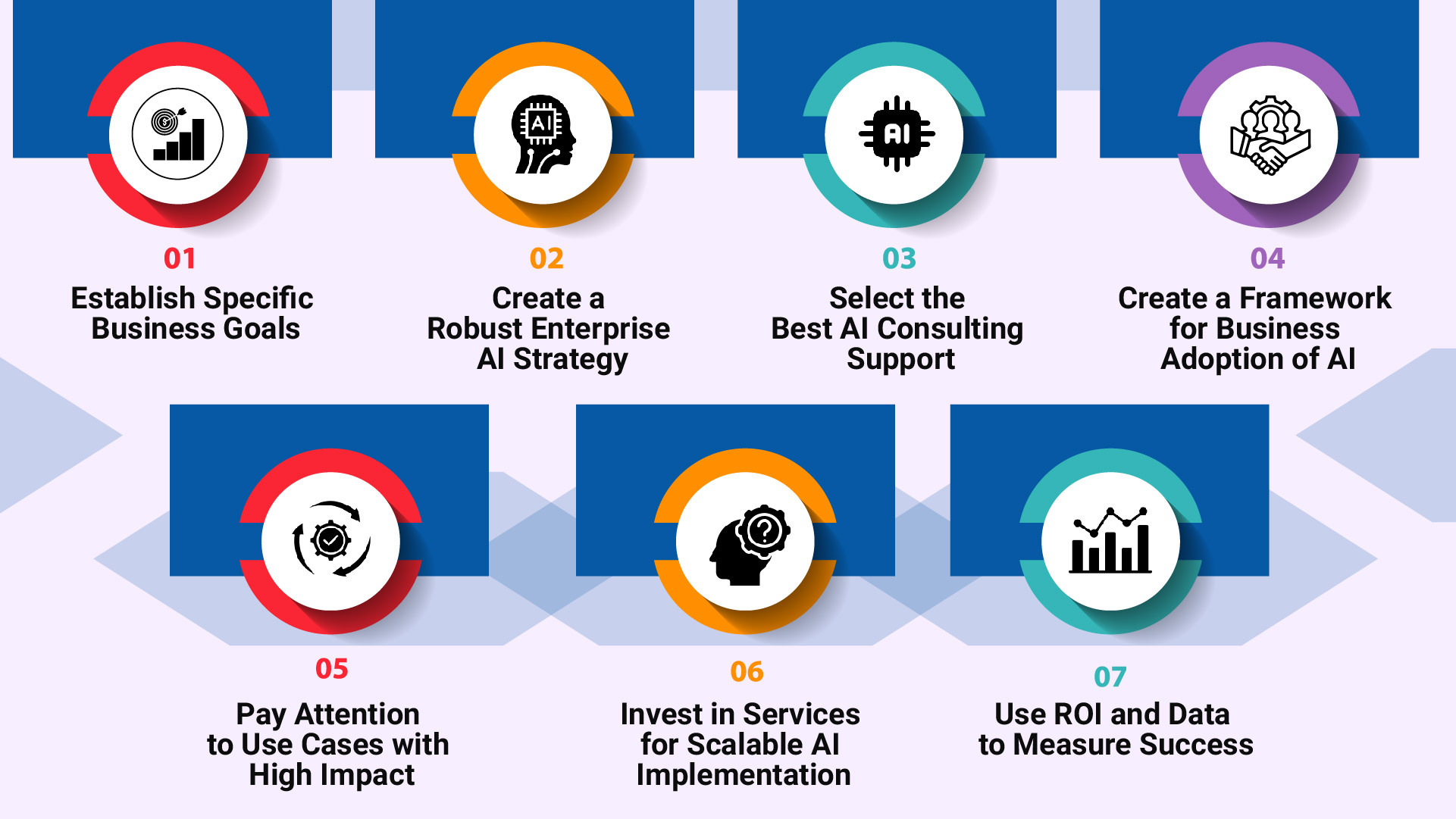
Choose technology partners based on proven reliability and enterprise support. Look for vendors with established track records in handling large-scale deployments. Prioritize solutions that offer seamless integration with your existing stack and provide clear governance controls. This minimizes technical debt and ensures smoother long-term maintenance.


As an Amazon Associate, we may earn from qualifying purchases.
Common Web3 Enterprise Mistakes
Many enterprise Web3 strategies fail because they prioritize technology over business logic. The most common error is selecting tools based on hype rather than integration capability. Teams often choose blockchains that do not support their existing data structures, creating a siloed infrastructure that requires costly middleware.
Another frequent pitfall is underestimating the complexity of key management and compliance. Enterprises often treat wallet security as an afterthought, leading to vulnerabilities that public-facing dApps do not face. Without a clear governance model, decision-making slows down as multiple stakeholders dispute transaction validity.
Finally, many projects launch pilots that never scale. This happens when the team focuses on tokenomics instead of user experience. If the underlying infrastructure cannot handle enterprise-grade throughput, the solution remains a curiosity rather than a operational asset.
Enterprise adoption strategy: what to check next
The shift from pilot to production requires more than just capital; it demands a clear path for governance and integration. As organizations evaluate infrastructure and tools, they face specific hurdles regarding security, talent, and measurable ROI.
How do enterprises ensure security and compliance in Web3 infrastructure?
Security remains the primary barrier to scaling. Successful adoption starts with a rigorous assessment of current readiness, focusing on data sovereignty and regulatory alignment. Enterprises must prioritize solutions that offer enterprise-grade governance, such as private ledger access or zero-knowledge proof integration, to satisfy audit requirements before moving to production.
What is the realistic timeline for scaling a Web3 pilot to full deployment?
Most organizations move from pilot to production-ready agents in a phased approach. The first step involves identifying high-impact use cases, followed by building the necessary internal expertise. While initial integrations can take months, full operational scaling typically requires 12 to 18 months of iterative testing and workflow adjustment.
How do you measure ROI for Web3 infrastructure investments?
ROI is measured through operational efficiency and cost reduction rather than speculative asset value. Key metrics include reduced transaction settlement times, lower intermediary fees, and automated compliance reporting. Organizations should track specific workflow improvements, such as 24/7 support capabilities or 40% reductions in manual processing costs, to justify continued funding.
What skills are missing in current teams for Web3 adoption?
The biggest gap is not coding, but integration. Teams need professionals who understand both legacy enterprise systems and decentralized protocols. Hiring should focus on architects who can bridge this divide, ensuring that new Web3 tools integrate seamlessly with existing ERP and CRM platforms without disrupting core business operations.
No comments yet. Be the first to share your thoughts!