What RWA tokenization means for enterprise
Real-world asset (RWA) tokenization moves traditional financial instruments onto blockchain ledgers. Instead of relying on slow, paper-heavy settlement processes, enterprises can represent ownership of physical assets—like real estate, treasury bills, or private equity—in digital form. This shift transforms illiquid assets into programmable, fractionalized records that trade on distributed networks.
For financial institutions, the value proposition is clear: faster settlement times, reduced intermediary costs, and 24/7 market access. By tokenizing assets, banks and asset managers can streamline compliance through smart contracts that enforce regulatory rules automatically. This infrastructure supports higher liquidity without sacrificing the security required for institutional-grade transactions.
The enterprise adoption framework for RWA
Scaling Real World Asset (RWA) tokenization requires more than just blockchain infrastructure; it demands a structured integration into core business processes. The enterprise adoption framework for RWA serves as the blueprint for this transition, ensuring that digital assets align with strict financial governance and operational efficiency. This approach moves beyond experimental pilots to establish permanent, compliant settlement rails.
The framework rests on three pillars: strategy, governance, and technology selection. Strategy defines the asset class and target liquidity pools. Governance establishes the legal wrappers and compliance protocols required for institutional participation. Technology selection ensures the underlying ledger supports high-throughput settlement and interoperability with legacy banking systems.
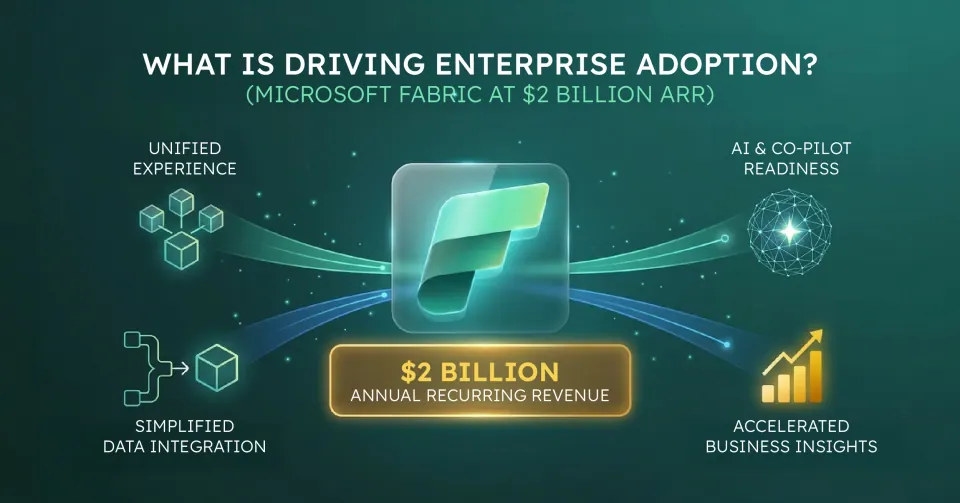
An image illustrating the integration of new technologies into established enterprise workflows helps visualize this structural shift.

The transition from traditional settlement to tokenized settlement fundamentally changes how value moves. Traditional methods rely on multi-day clearing cycles and intermediary banks, creating friction and capital inefficiency. RWA tokenization enables near-instantaneous settlement on-chain, reducing counterparty risk and freeing up capital for further investment.
The following comparison highlights the operational differences between legacy systems and modern tokenized infrastructure.
| Metric | Traditional Settlement | RWA Tokenized Settlement |
|---|---|---|
| Speed | T+2 days | T+0 (Instant) |
| Cost | High intermediary fees | Lower gas and protocol fees |
| Accessibility | Institutional only | Fractional ownership possible |
Scaling infrastructure for institutional volume
Tokenizing real-world assets (RWA) shifts blockchain from a speculative playground to a ledger for actual capital markets. This transition demands infrastructure that can handle high-frequency trading, complex compliance checks, and strict regulatory reporting without slowing down. The technical requirements for scaling Web3 infrastructure to handle enterprise-grade transaction volumes are distinct from consumer-grade applications.
Institutional settlement requires finality. Banks and asset managers cannot tolerate the probabilistic confirmation times of public testnets. The infrastructure must support deterministic finality, often through permissioned layers or specialized consensus mechanisms, to ensure that once a trade is executed, it is immutable and legally binding. This level of reliability is non-negotiable for handling liquidity in high-value asset classes like real estate or private credit.
Latency is equally critical. Enterprise systems operate on microsecond to millisecond tolerances. Public blockchains often introduce unpredictable delays due to network congestion. Scaling solutions must offer predictable throughput, ensuring that transaction processing does not degrade during peak market hours. This means moving beyond simple layer-2 rollups to architectures that can isolate institutional traffic from retail noise.
Compliance must be embedded in the protocol. Unlike traditional finance, where compliance is an add-on service, Web3 infrastructure for RWA requires on-chain identity verification and transaction monitoring at the core. This ensures that every transfer adheres to KYC/AML standards automatically, reducing the operational burden on custodians and reducing regulatory risk.
Measuring ROI and operational responsiveness
Success in RWA tokenization isn't just about launching a token; it's about quantifying the efficiency gains and cost reductions that come with on-chain settlement. Enterprises must move beyond theoretical benefits to track concrete metrics like reduced settlement times, lower administrative overhead, and improved liquidity utilization. This section outlines how to structure your ROI framework to ensure continuous operational responsiveness.
Establishing the baseline
Before measuring gains, you need a clear picture of the legacy process. Document the current time-to-settlement, the number of intermediaries involved, and the total cost per transaction. This baseline serves as your control group, allowing you to isolate the impact of tokenization on specific operational KPIs.
Tracking operational efficiency
The primary driver for enterprise adoption is continuous operational responsiveness. While human teams work in shifts and context-switch, automated smart contracts execute transactions around the clock without degradation in quality or speed. Monitor metrics such as:
- Settlement Time: Measure the reduction from T+2 or T+3 to near-instantaneous finality.
- Error Rates: Track the decrease in manual reconciliation errors.
- Throughput: Calculate the number of transactions processed per hour.
Quantifying cost reduction
Tokenization eliminates many middlemen and reduces the need for manual reconciliation. Calculate the savings by comparing the total cost of ownership (TCO) of the legacy system against the new on-chain infrastructure. Include costs for compliance, auditing, and counterparty risk management in your analysis.
Ensuring continuous responsiveness
A successful RWA framework must adapt to market changes. Implement real-time dashboards to monitor token performance and liquidity pools. This allows your team to adjust strategies quickly, ensuring that the infrastructure remains responsive to both operational demands and market conditions.
Common pitfalls in RWA integration
Tokenizing real-world assets sounds straightforward until the infrastructure meets the reality of global finance. Enterprises often treat RWA integration as a pure technology upgrade, overlooking the complex regulatory and liquidity frameworks that govern traditional markets. When you ignore these nuances, the settlement layer becomes a bottleneck rather than an accelerator.
The most frequent error is underestimating liquidity fragmentation. Unlike native crypto assets, RWAs often rely on off-chain legal structures that do not translate cleanly to on-chain liquidity pools. Without a clear plan for secondary market trading or redemption mechanisms, tokens can become illiquid traps. This disconnect breaks the core value proposition of tokenization: efficient capital access.
Another critical blind spot is compliance interoperability. Different jurisdictions have conflicting rules regarding asset custody, investor accreditation, and transfer restrictions. Enterprises that build a single-chain solution often find themselves unable to onboard institutional partners who require specific regulatory safeguards. The result is a siloed network that fails to achieve the network effects necessary for scale.
To avoid these traps, treat RWA integration as a hybrid engineering challenge. You must design for both the speed of blockchain and the rigidity of financial regulation. This means building compliance checks directly into the token lifecycle and ensuring your liquidity providers understand the redemption constraints. Only then does the infrastructure support true enterprise-grade adoption.
Your 30-day RWA adoption checklist
Transitioning from pilot to production requires a disciplined approach to RWA tokenization. Use this 30-day plan to align stakeholders, secure legal clarity, and select the right infrastructure. This checklist prioritizes compliance and settlement integrity over speed.
Identify the business unit driving the initiative and the legal entity holding the underlying asset. Define the specific RWA type (real estate, commodities, or private credit) to determine the regulatory framework. Secure executive buy-in by outlining the liquidity benefits and settlement efficiency gains.
Engage legal counsel to define the token structure. Determine if the token represents an equity stake, a debt obligation, or a commodity receipt. Establish KYC/AML protocols for investors and ensure the smart contract architecture supports transfer restrictions required by securities laws.
Evaluate blockchains based on finality speed, transaction costs, and existing enterprise integrations. Select a qualified custodian for the off-chain asset and a secure wallet solution for the digital tokens. Verify that your chosen chain supports the specific token standards (e.g., ERC-3643) required for compliant transfers.
Launch a closed-loop pilot with internal stakeholders or a small group of accredited investors. Test the end-to-end flow: onboarding, token minting, secondary transfer, and redemption. Monitor gas fees and settlement times to ensure the infrastructure meets enterprise SLAs.
By day 30, you should have a documented roadmap, a selected tech stack, and a tested pilot. This foundation allows you to scale tokenization efforts with confidence in both legal compliance and technical reliability.
Frequently asked questions about RWA adoption
Enterprise adoption of tokenized real-world assets (RWA) is not just about technology; it is a strategic integration of blockchain infrastructure into core financial processes to improve settlement efficiency and liquidity.
No comments yet. Be the first to share your thoughts!