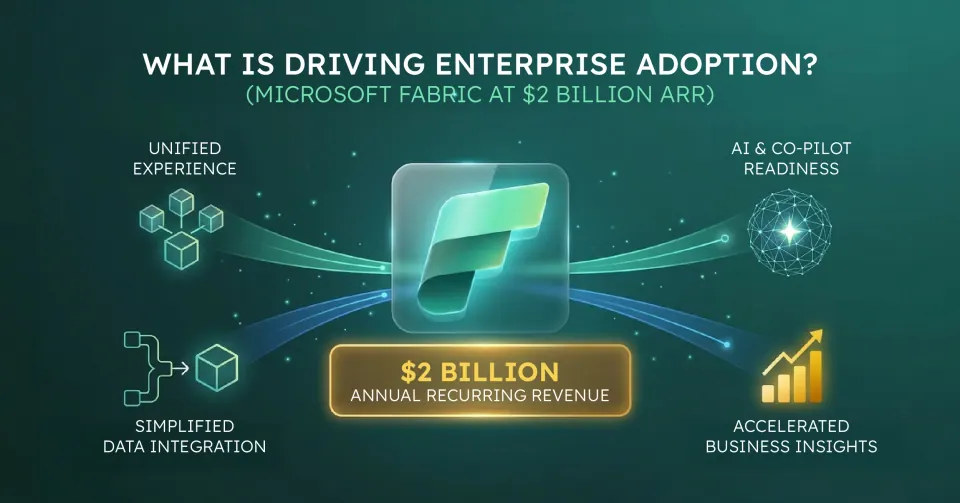
Enterprise adoption limits to account for
Integrating real-time asset tokenization infrastructure requires more than a technical proof-of-concept. Enterprise adoption hinges on bridging the gap between blockchain capabilities and existing enterprise architecture. Most organizations struggle with interoperability, regulatory compliance, and the operational overhead of managing distributed ledger technology alongside legacy systems.
The primary constraint is not the tokenization protocol itself, but the integration layer. Enterprises must ensure that tokenized assets can be seamlessly recorded in traditional ERP and accounting systems without manual reconciliation. This requires standardized APIs and middleware that can translate blockchain states into financial ledgers in real time.
Another significant hurdle is regulatory clarity. While frameworks like the EU’s MiCA provide structure, many jurisdictions still lack clear guidelines on how tokenized real-world assets are classified for tax and audit purposes. Enterprises must navigate these uncertainties to avoid compliance risks that could stall deployment.
Finally, the cost of infrastructure cannot be ignored. Deploying a tokenization network involves significant upfront investment in nodes, security audits, and talent acquisition. The return on investment depends on achieving sufficient scale to justify the operational complexity. Without a clear path to liquidity and secondary market trading, the business case remains weak.
Enterprise adoption choices that change the plan
Integrating real-time asset tokenization infrastructure is not a plug-and-play deployment. It requires balancing immediate operational gains against long-term technical debt and regulatory exposure. Before committing to a specific ledger or oracle provider, evaluate these four concrete factors to determine if the architecture aligns with your current IT maturity and risk tolerance.
Data latency and finality requirements
Real-time tokenization demands sub-second confirmation times to be useful for high-frequency trading or automated inventory management. Public Layer 1 chains often struggle with this, introducing latency that breaks real-time workflows. Private or permissioned ledgers offer faster finality but sacrifice the decentralization benefits that often justify the tokenization effort in the first place.
| Feature | Public L1 (e.g., Ethereum) | Permissioned Ledger (e.g., Hyperledger) | Hybrid Approach |
|---|---|---|---|
| Transaction Finality | 12-60 seconds | < 1 second | 1-5 seconds |
| Throughput (TPS) | 15-30 (base layer) | 1,000+ | 100-500 |
| Access Control | Open/Anonymous | Identity-based | Verified Wallets |
| Cost per Transaction | Variable (Gas fees) | Low/Fixed | Moderate |
Regulatory compliance and jurisdiction
Tokenized assets are subject to the same securities and commodities laws as their traditional counterparts, but the blockchain layer adds complexity. You must determine if the ledger supports regulatory functions like KYC/AML checks at the protocol level. Some networks allow for "permissioned pools" where only verified identities can hold or trade specific token classes, reducing legal exposure significantly.
Integration with legacy ERP systems
The value of tokenization is realized only when it connects to existing Enterprise Resource Planning (ERP) and Supply Chain Management (SCM) systems. Evaluate the availability and quality of APIs provided by your chosen infrastructure vendor. Poor integration means your tokenized assets remain siloed on the blockchain, unable to trigger automated payments or update inventory records in real-time without manual intervention.
Total cost of ownership (TCO)
Beyond the initial development costs, consider the ongoing operational expenses. This includes gas fees for transaction processing, oracle fees for feeding real-world data onto the chain, and the cost of maintaining secure key management infrastructure. For high-volume use cases, these micro-costs can accumulate rapidly, potentially eroding the margin improvements that tokenization was supposed to deliver.
| Factor | High Impact | Low Impact |
|---|---|---|
| Latency | High-frequency trading | Annual reporting |
| Compliance | Securities tokens | Internal loyalty points |
| Integration | Automated supply chain | Static asset registry |
| TCO | High-volume micro-transactions | Quarterly rebalancing |
Choose the next step: Turn the research into a practical decision framework
Moving from pilot to production requires more than just technical validation. You need a structured approach to evaluate which tokenization infrastructure aligns with your specific operational risks and compliance requirements. This decision framework helps you prioritize based on real-world constraints rather than vendor promises.
Assess regulatory alignment first
Tokenization involves handling sensitive financial data, making regulatory compliance the primary gatekeeper. Start by mapping your asset types against current data protection laws in your operating regions. If you are dealing with cross-border assets, ensure the infrastructure supports jurisdictional data residency requirements. Failure to align with these standards early on can halt deployment entirely.
Evaluate integration complexity
Your existing ERP and ledger systems must communicate with the tokenization layer without creating data silos. Look for APIs that support standard financial messaging formats like ISO 20022. Prioritize platforms that offer pre-built connectors for major banking partners. This reduces the engineering burden and shortens the time-to-value significantly.
Compare cost structures transparently
Tokenization models vary widely, from fixed licensing fees to transaction-based pricing. Calculate the total cost of ownership (TCO) over a three-year horizon, including maintenance, security audits, and potential upgrade fees. Be wary of platforms that hide costs behind vague "enterprise" tiers. Transparent pricing allows for accurate ROI projections and prevents budget overruns.
Verify security and audit trails
Security is non-negotiable in asset tokenization. Ensure the provider offers immutable audit logs and supports third-party security certifications like SOC 2 Type II. Request details on their key management strategies and disaster recovery protocols. A robust security posture protects your enterprise from both technical failures and regulatory penalties.


As an Amazon Associate, we may earn from qualifying purchases.
Avoid the weak options
The biggest mistake when buying Enterprise Adoption is treating price as the main filter. A low-cost animal from a weak source can become expensive quickly if you inherit parasites, poor nutrition, metabolic bone disease, or a stressed dragon that was shipped badly. Avoid sellers who refuse recent photos, dodge husbandry questions, advertise unusually young animals, or pressure you to buy before your enclosure is running at the right temperatures. Ethical sourcing should feel transparent, not rushed.
Use the checklist as a welfare screen: verify the source, health signs, enclosure readiness, paperwork, and transport plan before paying.
Enterprise adoption: what to check next
Integrating real-time asset tokenization is less about technology and more about operational readiness. Before committing to an infrastructure build, leaders should address these practical hurdles.
No comments yet. Be the first to share your thoughts!