Defining the enterprise adoption strategy
An enterprise adoption strategy is not a purchase order. It is the architectural blueprint for moving autonomous agents and decentralized infrastructure from experimental pilots into core business workflows. In high-stakes financial and technical environments, this distinction determines whether technology delivers value or creates liability. The goal is production-ready integration, where AI and blockchain systems operate with the reliability and security expected of legacy enterprise software.
This strategy shifts the focus from isolated proof-of-concepts to scalable, integrated systems. It requires aligning technical capabilities with strict governance frameworks, ensuring that every component—from data ingestion to consensus mechanisms—meets regulatory and operational standards. Without this structured approach, organizations risk deploying fragile solutions that cannot handle the volume or security demands of enterprise-grade transactions.
To achieve this, leaders must prioritize interoperability and auditability. The strategy should define clear metrics for performance, security, and compliance, ensuring that new technologies enhance rather than disrupt existing operations. By treating AI and blockchain as foundational infrastructure rather than experimental add-ons, enterprises can build resilient systems that support long-term growth and innovation.
The infrastructure landscape for 2026
The conversation around enterprise adoption strategy has shifted from experimental pilots to structural integration. In 2026, the infrastructure layer is defined less by isolated software tools and more by deep, capital-intensive alliances between cloud providers, chip manufacturers, and model developers. These partnerships are not merely marketing exercises; they represent the physical and computational backbone required to run large-scale AI and blockchain workloads at scale.
Major tech alliances are consolidating around specific strategic focus areas. For instance, the Microsoft-NVIDIA-Anthropic alliance illustrates how compute, hardware, and model intelligence are being bundled to offer end-to-end solutions. This shift moves the industry away from the "hype" phase, where companies experimented with generic AI models, toward tangible business value derived from specialized, integrated infrastructure. The table below compares how major players are positioning their infrastructure stacks to capture this enterprise demand.
| Partner | Strategic Focus | Infrastructure Type | Target Outcome |
|---|---|---|---|
| Microsoft & NVIDIA | Compute & Models | Cloud & GPU Clusters | Scalable AI Inference |
| Google & IBM | Data & Security | Quantum & Blockchain | Secure Data Integrity |
| Amazon & Anthropic | LLM Integration | AWS Bedrock | Enterprise Chatbot Deployment |
| Oracle & AI Startups | Vertical AI | DB & Cloud | Industry-Specific Automation |
This consolidation is reflected in market movements. The financial stakes in building this infrastructure are significant, with billions in partnership capital flowing into these alliances. Investors and CTOs are tracking these moves not just for technology trends, but for the stability and scalability they promise. The live market data below shows the volatility and growth potential associated with the key infrastructure providers driving this shift.
The move from hype to value requires more than just buying into these alliances. It demands a clear understanding of which infrastructure components deliver the highest return on investment for specific use cases. Whether it is leveraging blockchain for immutable audit trails in finance or using AI for predictive maintenance in manufacturing, the underlying infrastructure must be robust, secure, and integrated. As the landscape matures, the winners will be those who can seamlessly weave these technologies into their core operational workflows, rather than treating them as peripheral experiments.
Technical requirements for scalable growth
Moving AI agents and blockchain nodes from pilot to production requires a shift from experimental code to hardened infrastructure. The architecture must handle high-throughput transaction validation alongside complex model inference without becoming a bottleneck. This means designing for redundancy, strict governance, and continuous security audits from day one.
Governance and Security Layers
Enterprise-grade AI adoption isn't just about model accuracy; it's about control. You need a governance framework that tracks every decision an AI agent makes, ensuring compliance with financial regulations and internal policies. Microsoft's Cloud Adoption Framework emphasizes that governance must be baked into the architecture, not added as an afterthought. This involves setting up audit trails for every interaction between the AI and the blockchain ledger.
Security extends beyond traditional firewalls. Since AI agents interact with smart contracts, the attack surface is larger. You need to implement zero-trust principles where every node and agent verifies its identity before executing any transaction. Regular penetration testing of the AI inference pipeline is just as critical as securing the blockchain nodes themselves.
Scalability and Infrastructure
Scalability in this context means two things: handling more users and handling more complex computations. Blockchain nodes need to synchronize data efficiently, while AI models need GPU resources that can spin up and down based on demand. Cloud-native solutions that support auto-scaling are essential here. You can't rely on static server setups if you expect enterprise-level adoption.
The architecture should also support modular upgrades. As AI models become more sophisticated or blockchain protocols evolve, your infrastructure needs to adapt without requiring a full system rewrite. This modularity reduces downtime and keeps operational costs predictable.
Performance Metrics and Monitoring
You can't manage what you don't measure. Real-time monitoring of both the AI's decision latency and the blockchain's transaction finality is non-negotiable. If an AI agent takes too long to reason, or if the blockchain network congests, the entire system's value proposition collapses.
Consider the performance of major infrastructure providers as a benchmark. Tracking the adoption trends of key enterprise AI and blockchain infrastructure providers can help you calibrate your own performance targets.
This chart shows the performance trajectory of a major tech provider, serving as a proxy for the stability and growth expectations of the underlying infrastructure. While the specific stock price reflects market sentiment, the underlying trend highlights the increasing capital allocation toward scalable, secure enterprise tech stacks.
Move from pilot to production
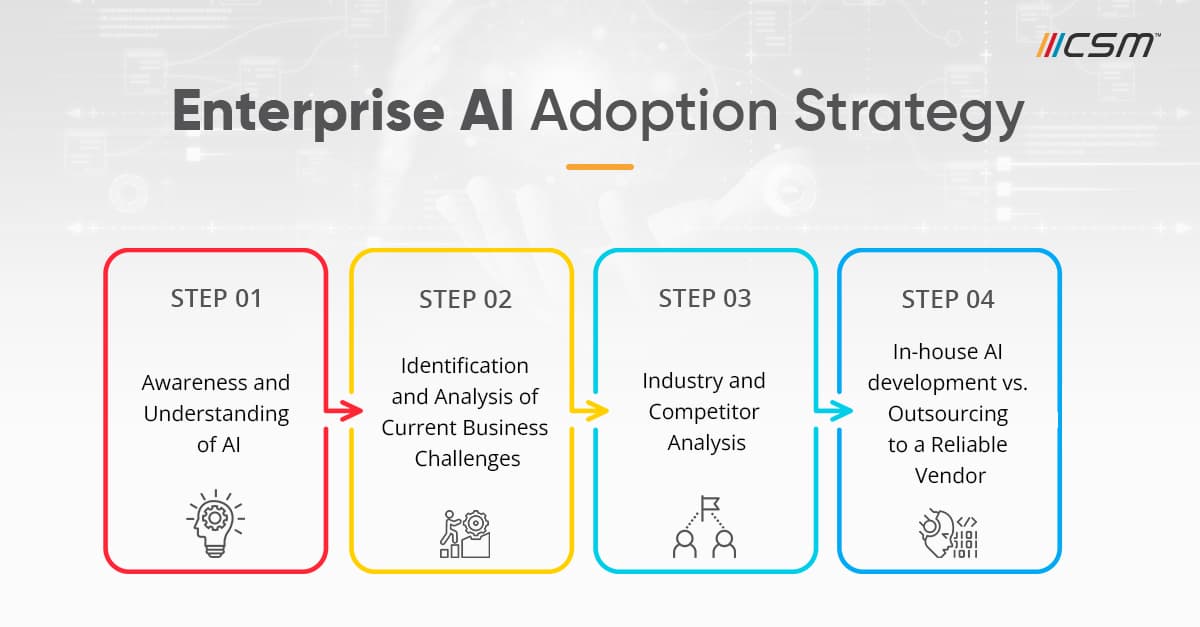
The gap between a successful proof of concept and a full-scale enterprise rollout is where most AI and blockchain initiatives fail. This section outlines the operational workflow required to scale your adoption strategy, moving from isolated testing environments to integrated, production-grade infrastructure.
Before expanding, confirm that your pilot solved a specific business problem rather than just demonstrating technical capability. Use data from the pilot to establish a baseline for performance, cost, and user adoption. If the pilot did not yield measurable improvements in workflow efficiency or data integrity, pause expansion and refine the model.
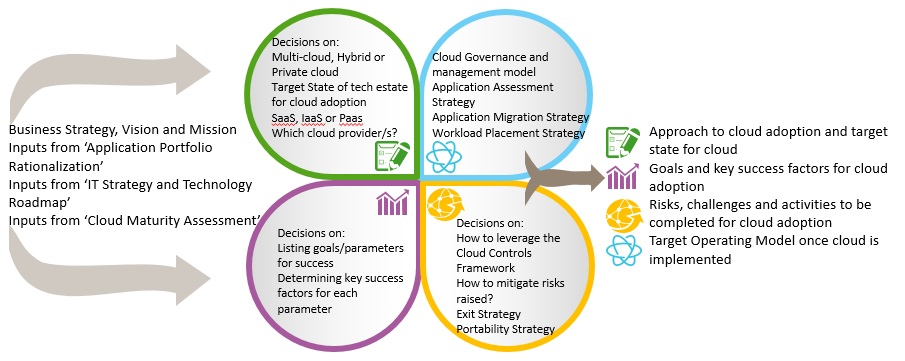
Enterprise AI and blockchain deployments require strict governance frameworks. Define clear data ownership, access controls, and audit trails. For blockchain, this means establishing consensus mechanisms and node verification processes. For AI, it involves setting up bias detection and model monitoring. Ensure these protocols are baked into the infrastructure, not added as an afterthought.
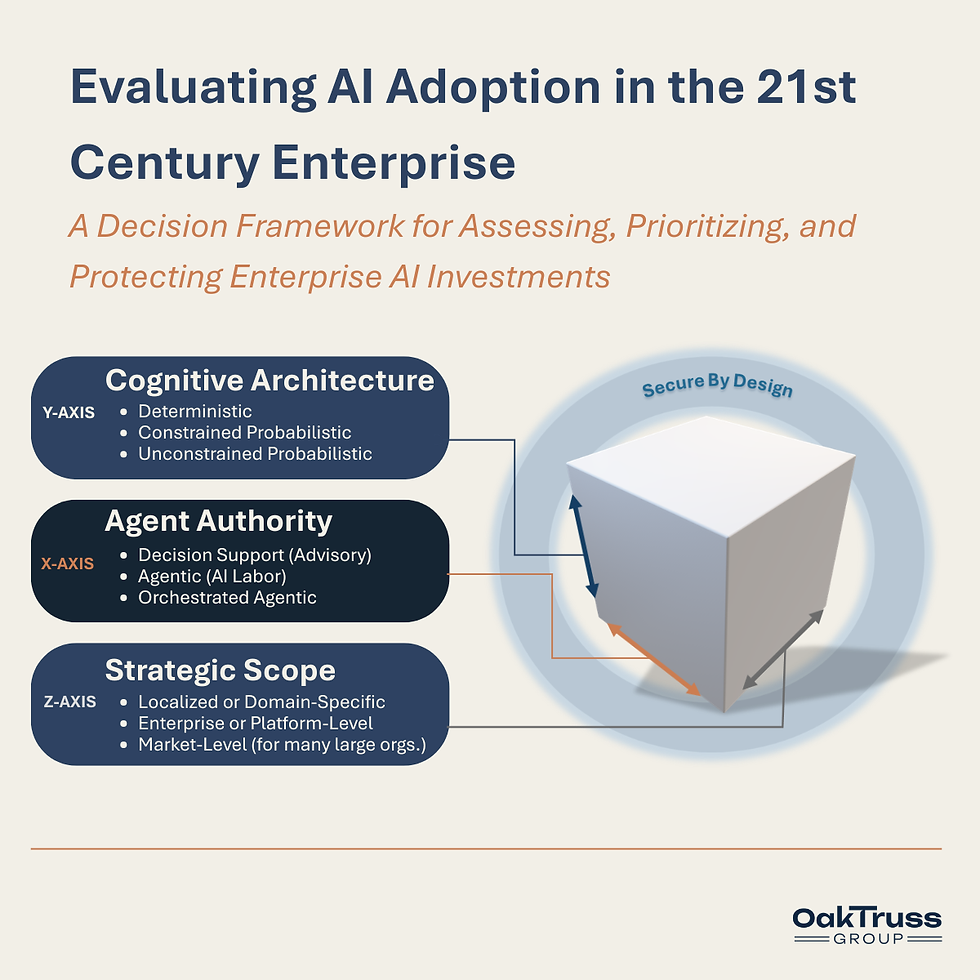
Seamless integration is critical for user adoption. Connect your new AI agents and blockchain ledgers to existing ERP, CRM, and legacy systems through well-documented APIs. Avoid creating silos. The goal is to make the new technology invisible to the end-user while providing powerful backend capabilities. Test integration points thoroughly to prevent data loss or synchronization errors.
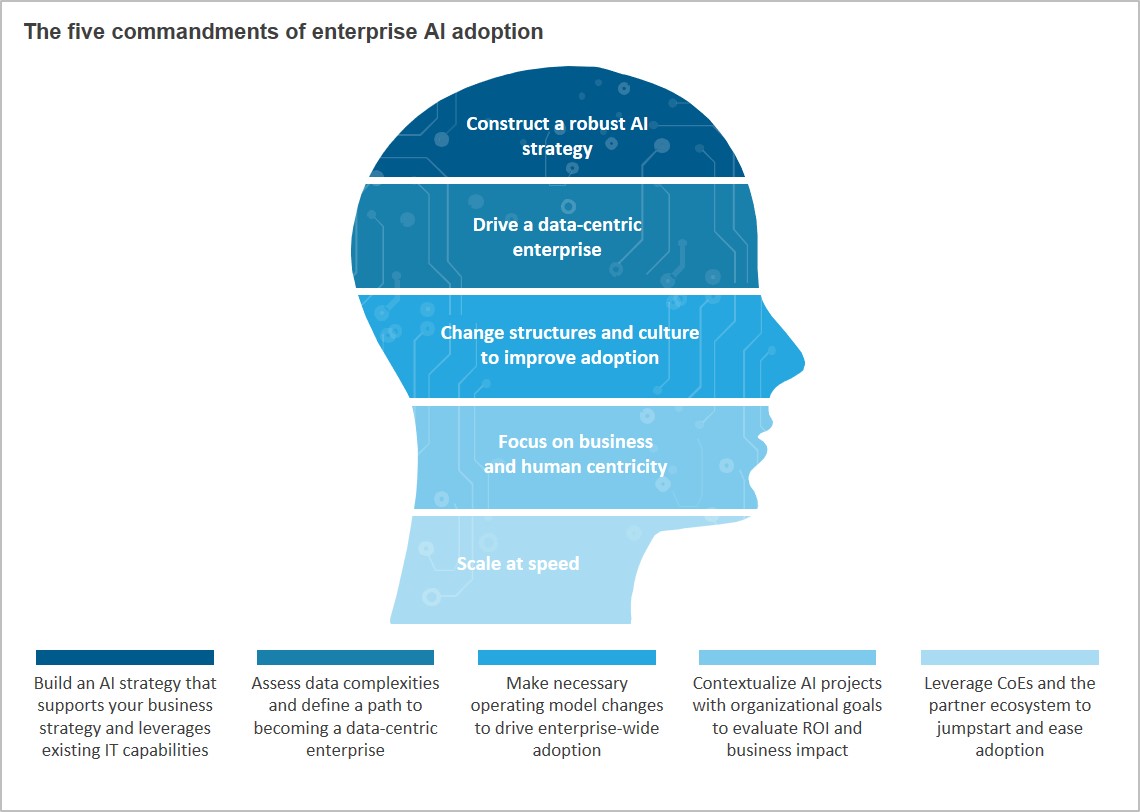
Production environments demand robust scalability and real-time monitoring. Implement auto-scaling for compute resources and ensure your blockchain nodes can handle increased transaction volumes. Set up comprehensive logging and alerting systems to detect anomalies early. Regular stress testing helps identify bottlenecks before they impact business operations.
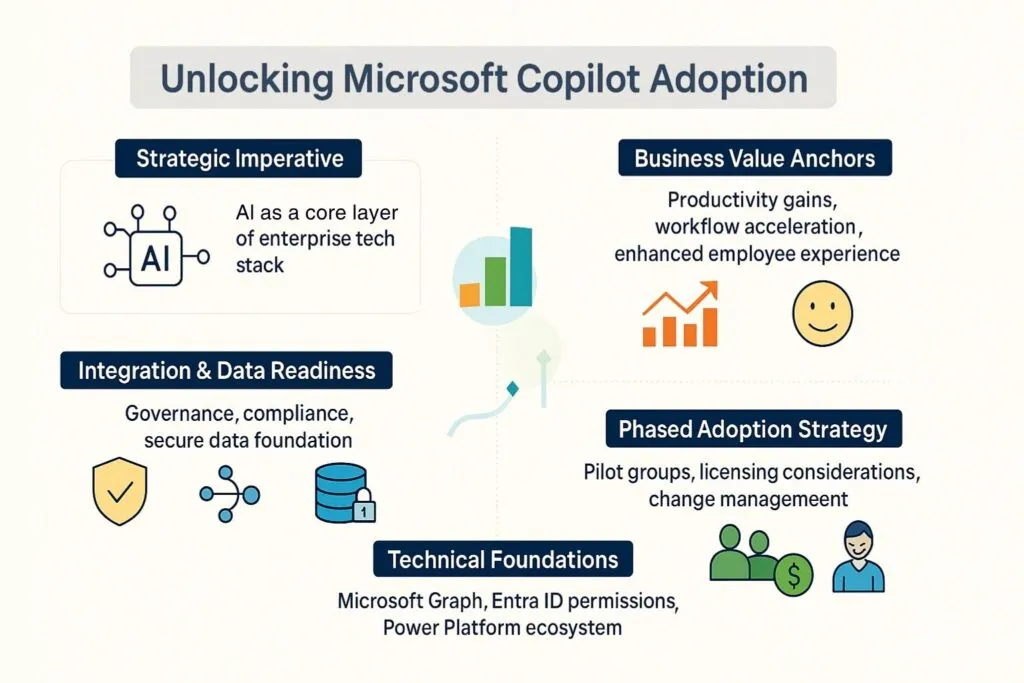
Technology is only as effective as the people who use it. Provide targeted training for technical teams on maintenance and for business users on new workflows. Document all procedures, from deployment to troubleshooting. Create a feedback loop where users can report issues and suggest improvements, ensuring the system evolves with business needs.
No comments yet. Be the first to share your thoughts!