Market momentum and infrastructure gaps
Enterprise tokenization is currently caught in a familiar trap: the gap between pilot projects and production-ready infrastructure. While major financial institutions and asset managers have launched numerous proof-of-concept initiatives, moving from experimental ledgers to full-scale integration remains a significant hurdle. The market momentum is undeniable, but the underlying plumbing is not yet standardized.
The gap is not merely technical; it is structural. Legacy systems were not designed for the real-time, immutable nature of distributed ledger technology. Integrating tokenized assets into existing core banking or trading platforms requires middleware that is both secure and compliant. Most enterprises are still building this bridge piece by piece, leading to fragmented solutions that struggle to interoperate. This fragmentation slows adoption, as institutions hesitate to commit to platforms that may become isolated silos.
Also, regulatory clarity lags behind technological capability. While frameworks are emerging in jurisdictions like the EU and Singapore, global standards remain elusive. This uncertainty forces institutions to adopt a wait-and-see approach, prioritizing compliance over innovation. As a result, we see a surge in private, permissioned chains rather than open, interoperable networks. This is a necessary step for security, but it limits the network effects that drive true market liquidity.
The current landscape is one of cautious experimentation. Institutions are investing heavily in the foundational layers—identity verification, asset custody, and legal wrappers—rather than the end-user applications. This infrastructure-first approach is prudent but slow. Until these foundational layers are standardized and proven at scale, tokenization will remain a niche capability for large enterprises rather than a widespread market utility.
Core infrastructure requirements
Enterprise adoption of tokenization and Web3 assets isn't just about buying digital coins; it's about building a compliant, secure, and interoperable financial plumbing system. Before institutions can move beyond pilot programs to production-ready deployments, they must solve three structural problems: secure custody, regulatory clarity, and cross-chain interoperability. Without these foundations, the promise of tokenized assets remains theoretical.
Custody and Security
Institutional-grade custody is the non-negotiable baseline. Unlike retail wallets, enterprise solutions require multi-signature controls, hardware security modules (HSMs), and strict key management protocols that satisfy internal audit requirements and external regulatory frameworks. The focus is on mitigating single points of failure and ensuring that digital assets are protected against both cyber threats and operational errors. This level of security is what separates experimental projects from viable financial infrastructure.
Compliance and Regulatory Standards
Navigating the regulatory landscape is complex but essential. Enterprises must integrate Know Your Customer (KYC) and Anti-Money Laundering (AML) checks directly into the token issuance and transfer processes. This often involves embedding compliance logic into the smart contracts themselves or using off-chain identity verification services that interface with on-chain ledgers. Jurisdictional differences mean that infrastructure providers must offer flexible compliance modules that can adapt to local laws, ensuring that assets can be traded legally across borders.
Interoperability and Standards
Assets locked in siloed blockchains hold little value for enterprises seeking liquidity and efficiency. Interoperability protocols allow tokens to move seamlessly between different networks, enabling broader market access. Standards like ERC-3643 for security tokens or ISO 20022 for payment messaging provide the common language needed for these systems to communicate. Without agreed-upon standards, the fragmentation of the Web3 ecosystem would continue to hinder widespread institutional adoption.

Comparing Infrastructure Models
Enterprises often choose between centralized, decentralized, or hybrid custody solutions based on their risk tolerance and operational needs. The table below outlines the primary trade-offs.
| Model | Security Profile | Compliance Ease | Cost Structure |
|---|---|---|---|
| Centralized Custody | High (Institutional HSMs) | High (Regulated entities) | Higher fees |
| Decentralized Custody | Variable (User-controlled) | Lower (Self-sovereign) | Lower fees |
| Hybrid Custody | Balanced (Multi-sig) | Moderate (Hybrid systems) | Moderate fees |
Institutional Readiness and Risk
The gap between enterprise AI experimentation and actual deployment is wide, particularly for high-stakes financial institutions. While many organizations have tested generative models in sandbox environments, the leap to production requires navigating a labyrinth of regulatory scrutiny, data sovereignty laws, and security mandates. For a bank or insurer, the cost of a hallucination or a data leak is not just a PR issue; it is a potential existential threat.
This risk profile dictates that institutional adoption is not merely a technology upgrade but a compliance exercise. Financial institutions must ensure that every layer of their infrastructure—from the underlying model to the data pipeline—meets strict auditability standards. The focus has shifted from "how fast can we build" to "how verifiably safe is this system?" This means prioritizing transparency and explainability over raw performance metrics alone.
The market reflects this caution. Investors and stakeholders are increasingly scrutinizing the actual ROI of AI initiatives, demanding concrete evidence of efficiency gains rather than speculative promises. This pressure is forcing a more disciplined approach to infrastructure, where cost management and operational stability are weighed as heavily as innovation potential.
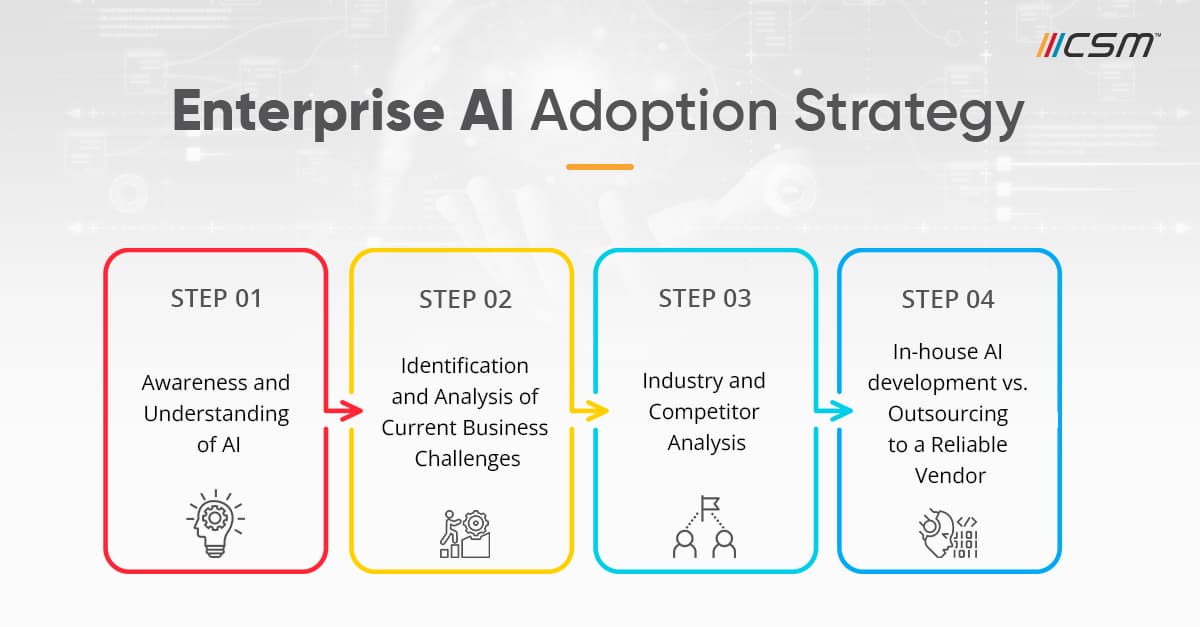
To manage these risks, institutions are turning to hybrid cloud strategies and private deployments for sensitive workloads. This allows them to keep proprietary data within their own firewalls while still leveraging the scalability of public cloud resources for less critical tasks. The infrastructure must be robust enough to handle real-time processing demands without compromising on security protocols.
Also, the talent gap remains a significant bottleneck. Finding engineers who understand both the nuances of financial regulation and the complexities of modern AI architectures is difficult. This has led to a rise in partnerships with specialized AI vendors who can offer compliant, pre-vetted solutions, reducing the burden on internal teams to build everything from scratch.
The trajectory of adoption will likely be incremental. We are seeing a pattern where institutions start with low-risk use cases like customer service automation or document processing before moving to core decision-making systems. This phased approach allows them to build internal expertise and refine their governance frameworks without exposing critical operations to untested risks.
PriceWidget
Ultimately, the institutions that succeed will be those that treat AI risk management as a core business function, not an IT afterthought. This requires a cultural shift where accountability is distributed across legal, compliance, and engineering teams. The goal is to create a system where innovation and caution are not opposing forces, but complementary aspects of a resilient strategy.
Strategic implementation checklist
Enterprise adoption of tokenization and Web3 infrastructure is less about buying new software and more about re-architecting legacy trust models. The barrier isn't usually the code; it's the integration of immutable ledgers with existing ERP, KYC, and compliance systems. A misstep here can lead to significant operational drag or regulatory friction.
This checklist outlines the critical phases for moving from pilot to production. It focuses on the concrete technical and market realities of embedding tokenized assets into enterprise workflows.
Before writing a single smart contract, map your existing data assets. Tokenization requires a direct, immutable link between the digital token and the underlying real-world asset. Identify which records in your current database can be reliably hashed and linked. If your data is siloed or inconsistent, tokenization will amplify those errors rather than solve them.
Not all blockchains are built for enterprise scale. Public chains like Ethereum offer decentralization but may suffer from high latency and unpredictable gas fees during peak times. For strict compliance needs, consider permissioned ledgers like Hyperledger Fabric or enterprise-grade public chains with dedicated node providers. The choice dictates your transaction finality, privacy controls, and regulatory reporting capabilities.
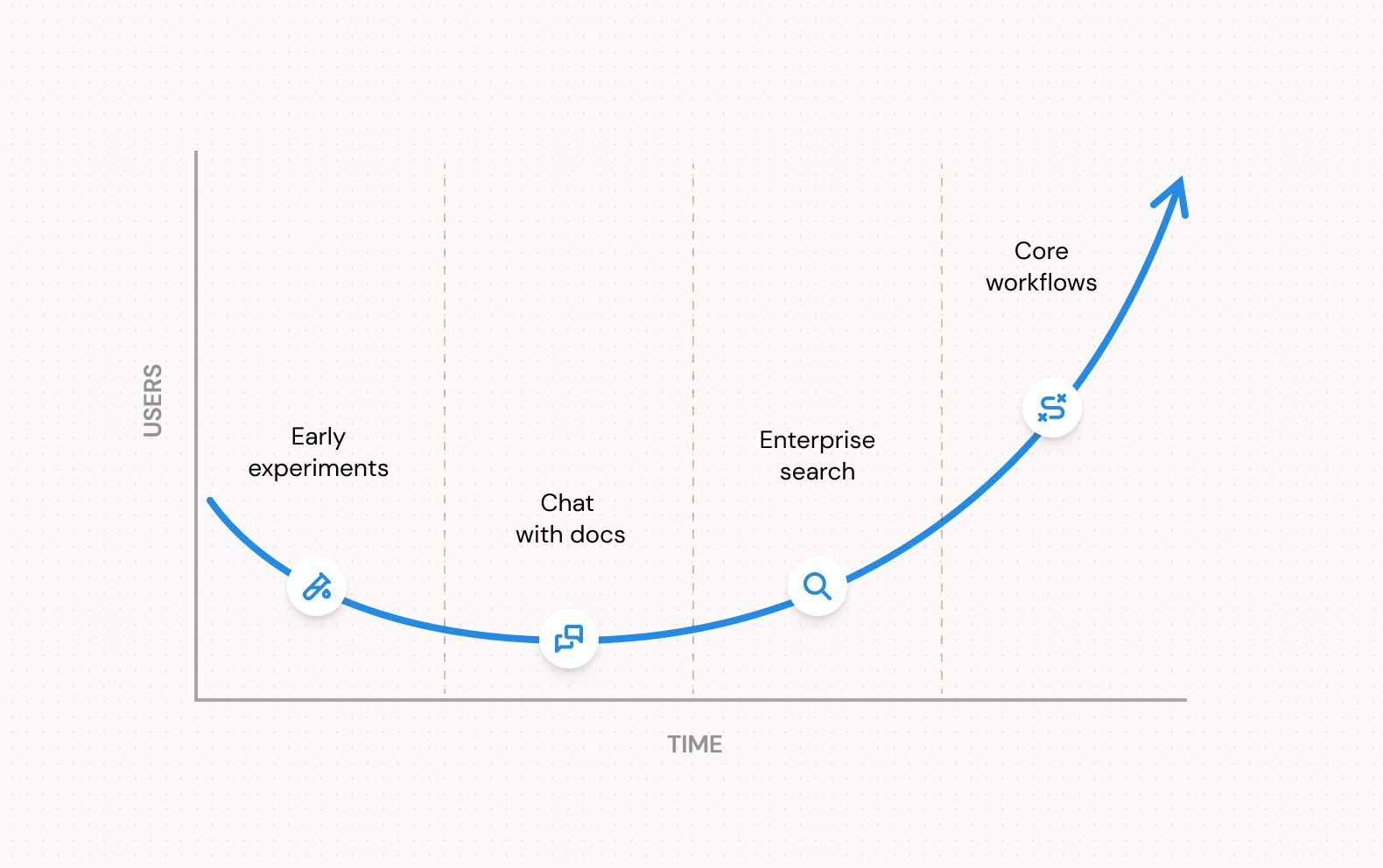
Tokenized assets are subject to the same regulations as their traditional counterparts. Build identity verification (KYC/AML) directly into the token contract or use a separate identity oracle. This ensures that only verified participants can hold or trade the asset. Without this layer, you risk creating a liquidity pool that is legally non-compliant or exposed to illicit activity.
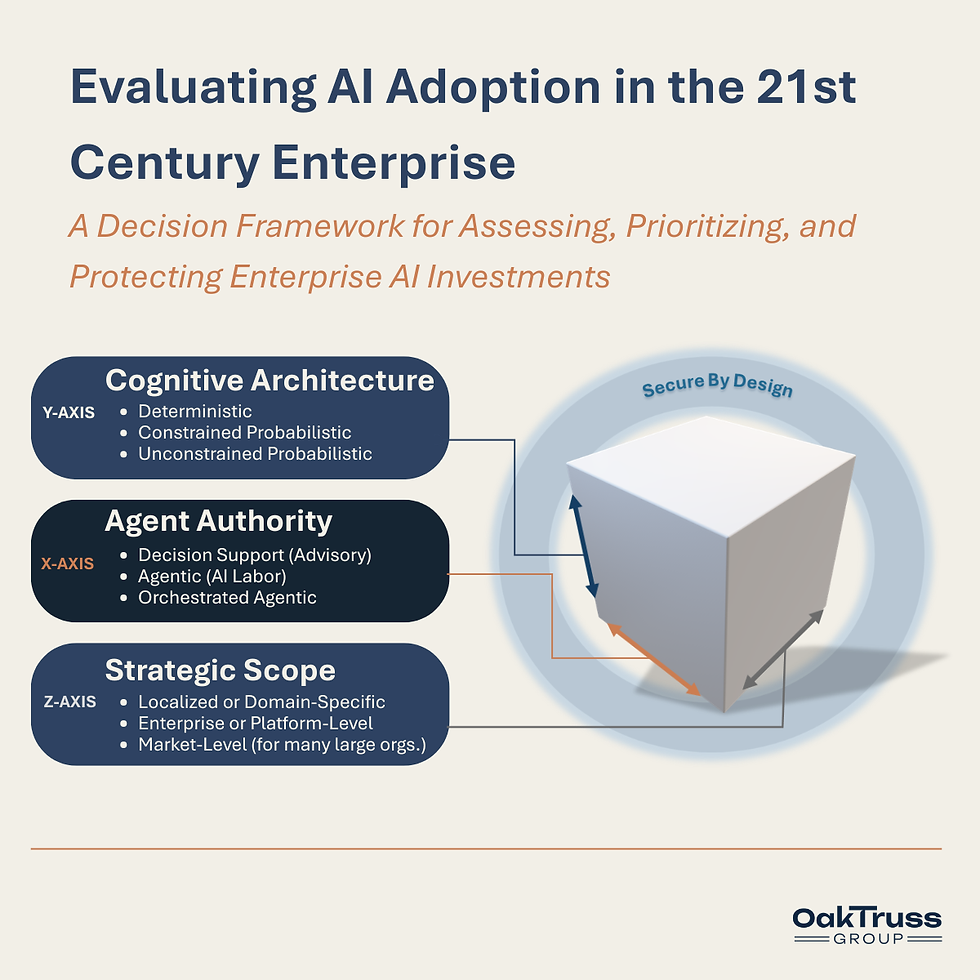
Start small. Choose a single, well-defined asset class—such as trade finance invoices or internal loyalty points—to test the end-to-end flow. This allows your team to debug integration issues between the blockchain, your backend systems, and user interfaces without risking core business operations. Measure success by reduction in settlement time and error rates, not just transaction volume.
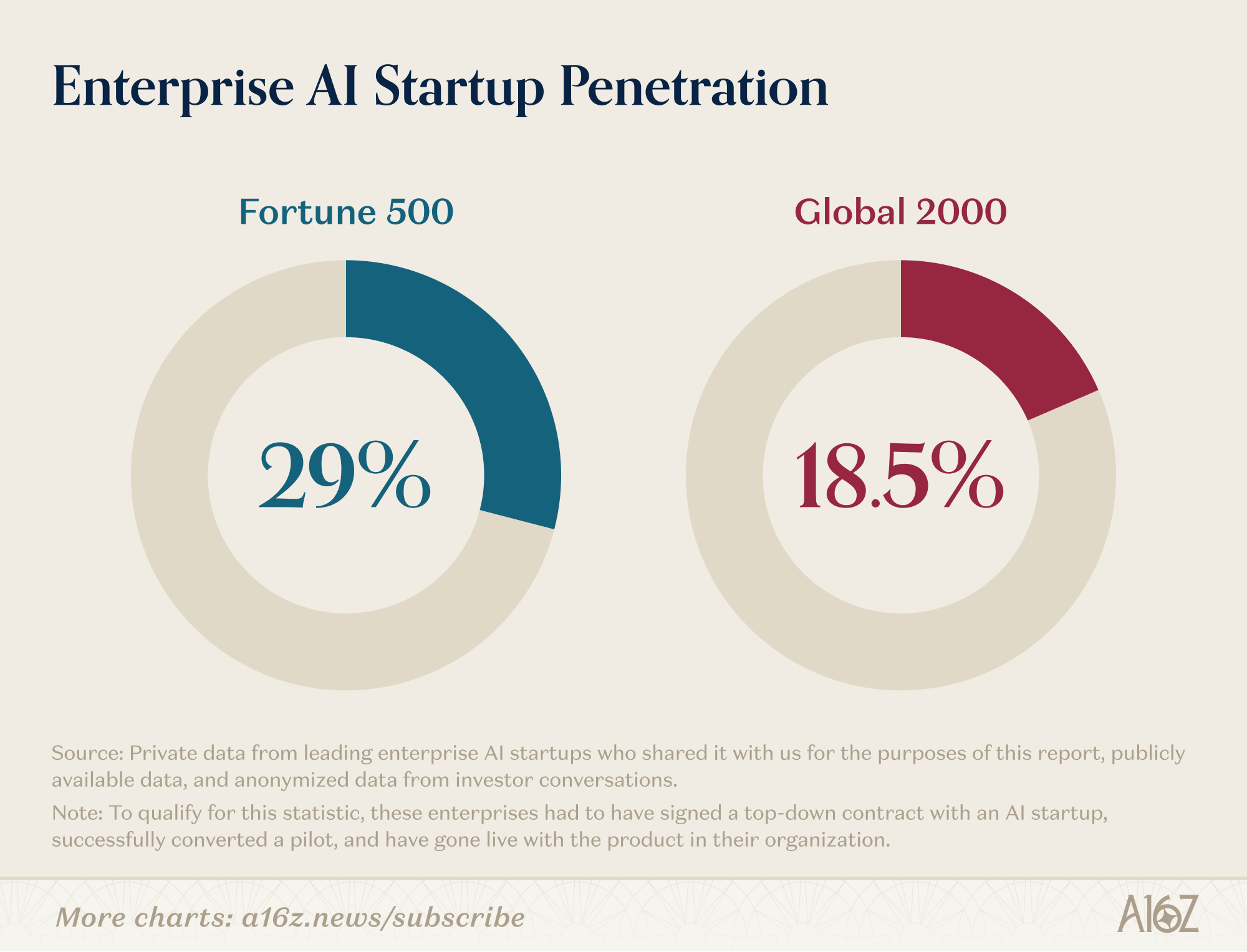
Once live, you need continuous oversight. Implement monitoring tools that track smart contract health, node performance, and unusual transaction patterns. Establish a governance framework for upgrading contracts or handling edge cases like key loss or regulatory changes. Tokenization is not a set-it-and-forget-it solution; it requires active maintenance and clear escalation paths.
Market context and technical benchmarks
The infrastructure supporting enterprise tokenization is maturing rapidly. Understanding the underlying market dynamics helps in selecting the right technical partners and setting realistic timelines.
The volatility of underlying crypto assets can impact the perceived stability of tokenized systems. However, enterprise adoption focuses on the utility of the token as a record of ownership, not its speculative value. Stablecoin integration often mitigates this risk for transactional use cases.
Liquidity and settlement speed remain the primary drivers for enterprise interest. As infrastructure providers improve finality times and reduce costs, the business case for tokenizing illiquid assets becomes stronger. Focus on partners who offer institutional-grade security and compliance tools rather than those focused solely on retail DeFi features.
No comments yet. Be the first to share your thoughts!