Why 2026 changes the enterprise adoption guide
The era of treating blockchain as a sandbox experiment is over. In 2026, enterprise adoption is no longer defined by proof-of-concept pilots that vanish from internal dashboards after six months. Instead, organizations are deploying regulated, production-ready infrastructure that integrates directly with core financial ledgers and compliance frameworks. This shift marks a transition from speculative curiosity to operational necessity.
The catalyst for this change is regulatory clarity. Major jurisdictions have established definitive guidelines for digital asset custody, smart contract auditing, and on-chain identity verification. These frameworks have removed the legal ambiguity that previously stalled large-scale deployment. Enterprises can now build on ZK-Rollups and other scalable layer-2 solutions with the confidence that their data sovereignty and transaction finality meet audit standards.
Note: The landscape has moved beyond experimental pilots to regulated production environments. Infrastructure must now support real-time audit trails and institutional-grade security protocols.
Investment patterns reflect this maturation. Capital is flowing away from experimental tokens and toward infrastructure providers offering SLA-backed uptime and verified codebases. The focus has shifted from "can we build it?" to "can we scale it securely?". This requires a new breed of technical leadership that understands both cryptographic primitives and enterprise risk management.
For CTOs and CFOs, the decision is no longer whether to adopt Web3, but how to integrate it into existing stacks without disrupting legacy systems. The infrastructure available in 2026 supports hybrid architectures, allowing enterprises to maintain control over private data while leveraging public chains for transparency and settlement. This balance is the cornerstone of modern enterprise Web3 strategy.
Zero-knowledge proofs for compliance
Enterprises face a persistent paradox: regulators demand transparency, while privacy laws require data minimization. Zero-knowledge proofs (ZKPs) resolve this by allowing a system to prove a statement is true without revealing the underlying data. For financial institutions, this means demonstrating compliance with Know Your Customer (KYC) or anti-money laundering (AML) rules without exposing sensitive customer records to third parties or public ledgers.
The mechanism works by generating a cryptographic proof that validates specific conditions—such as "the user is over 18" or "the transaction is within limits"—while keeping the actual identity or balance private. This approach shifts the burden of trust from data exposure to cryptographic verification. As ZK-Rollups and other scaling solutions mature, the focus is shifting toward audit pass rates and verification latency, ensuring that these proofs are not just theoretically sound but operationally viable for high-volume enterprise environments.
Adopting ZK infrastructure requires careful integration with existing compliance frameworks. It is not a silver bullet but a powerful tool for data governance. By leveraging provider-backed verification methods, enterprises can maintain audit trails that satisfy regulators while protecting user privacy. The technology is evolving rapidly, with significant improvements in proof generation speed and cost, making it increasingly practical for real-time financial transactions and regulatory reporting.
Integrating AI into Web3 workflows
AI agents are shifting from experimental tools to essential infrastructure components for enterprise Web3 operations. By embedding autonomous agents directly into development pipelines, organizations can automate the heavy lifting of smart contract auditing and continuous network monitoring. This integration reduces manual overhead while increasing the precision of security checks, a necessity for high-stakes financial applications.
The traditional model of manual auditing is slow and prone to human error. AI-assisted auditing tools analyze codebases in real-time, identifying vulnerabilities that static analysis often misses. For instance, AI agents can detect complex reentrancy attacks or logic flaws in ZK-Rollup implementations that might evade standard review processes. This shift allows engineering teams to focus on architectural improvements rather than repetitive code verification.
| Feature | Traditional Manual Auditing | AI-Assisted Auditing |
|---|---|---|
| Speed | Weeks to months | Hours to days |
| Error Detection | Relies on auditor expertise | Pattern-based anomaly detection |
| Coverage | Limited scope per audit | Full codebase analysis |
| Cost | High per engagement | Lower marginal cost |
Automation extends beyond code to live infrastructure monitoring. AI agents continuously track node health, gas price fluctuations, and transaction latency across multiple chains. When anomalies occur, these agents can trigger automated responses, such as scaling resources or alerting security teams, before a minor glitch becomes a systemic failure. This proactive approach ensures that Web3 applications remain resilient under varying market conditions.
For enterprises, the focus is on customization and training. As noted in recent industry analyses, successful AI adoption requires tailoring models to specific Web3 protocols rather than relying on generic solutions. This targeted approach ensures that AI agents understand the unique nuances of different blockchain architectures, from Ethereum's EVM to Solana's parallel processing model.
| Feature | Manual | AI-Assisted |
|---|---|---|
| Speed | Weeks | Hours |
| Coverage | Limited | Full |
| Cost | High | Lower |
Measuring Web3 Adoption Success
Enterprise infrastructure is not a cost center; it is a capital allocation decision. To justify the transition from legacy databases to Web3 layers, you need to track metrics that reflect real operational value, not just speculative interest. Success here looks like reduced reconciliation time, lower audit costs, and higher throughput on ZK-Rollups.
Core KPIs for Infrastructure
Track these four metrics to validate your investment thesis:
- Transaction Throughput (TPS): Measure the sustained transactions per second during peak load. This determines if the L2 can handle enterprise-grade volume without congestion.
- Finality Time: Track the time from submission to irreversible confirmation. Sub-second finality is often required for financial settlements.
- Audit Pass Rates: Monitor the percentage of smart contract audits that pass on the first review. High failure rates indicate poor developer tooling or risky codebases.
- Cost Per Transaction: Calculate the average gas fee per valid transaction. Enterprise viability requires costs that remain stable even during network spikes.
Why These Metrics Matter
Generic adoption numbers like "total users" are misleading. An enterprise cares about the reliability and cost of the underlying rails. If your TPS drops during high demand, or if audit failures delay product launches, the infrastructure is failing its primary duty. These KPIs provide the concrete data needed for board-level reporting.

Your 2026 implementation checklist
Enterprise adoption of Web3 infrastructure is no longer experimental; it is a production-grade requirement for high-stakes financial decisions. The shift from proof-of-concept to live deployment demands rigorous governance, auditability, and compliance with existing regulatory frameworks. This checklist outlines the critical steps for CTOs and infrastructure leads to safely integrate blockchain capabilities into their core systems.
Before writing a single line of smart contract code, map your existing data architecture. Identify which assets or records require immutable verification and which should remain off-chain for privacy or performance reasons. Use a data classification framework to separate high-value, low-volume transactions from high-throughput, low-sensitivity data. This distinction determines whether you need a ZK-Rollup for scalability or a private ledger for control.
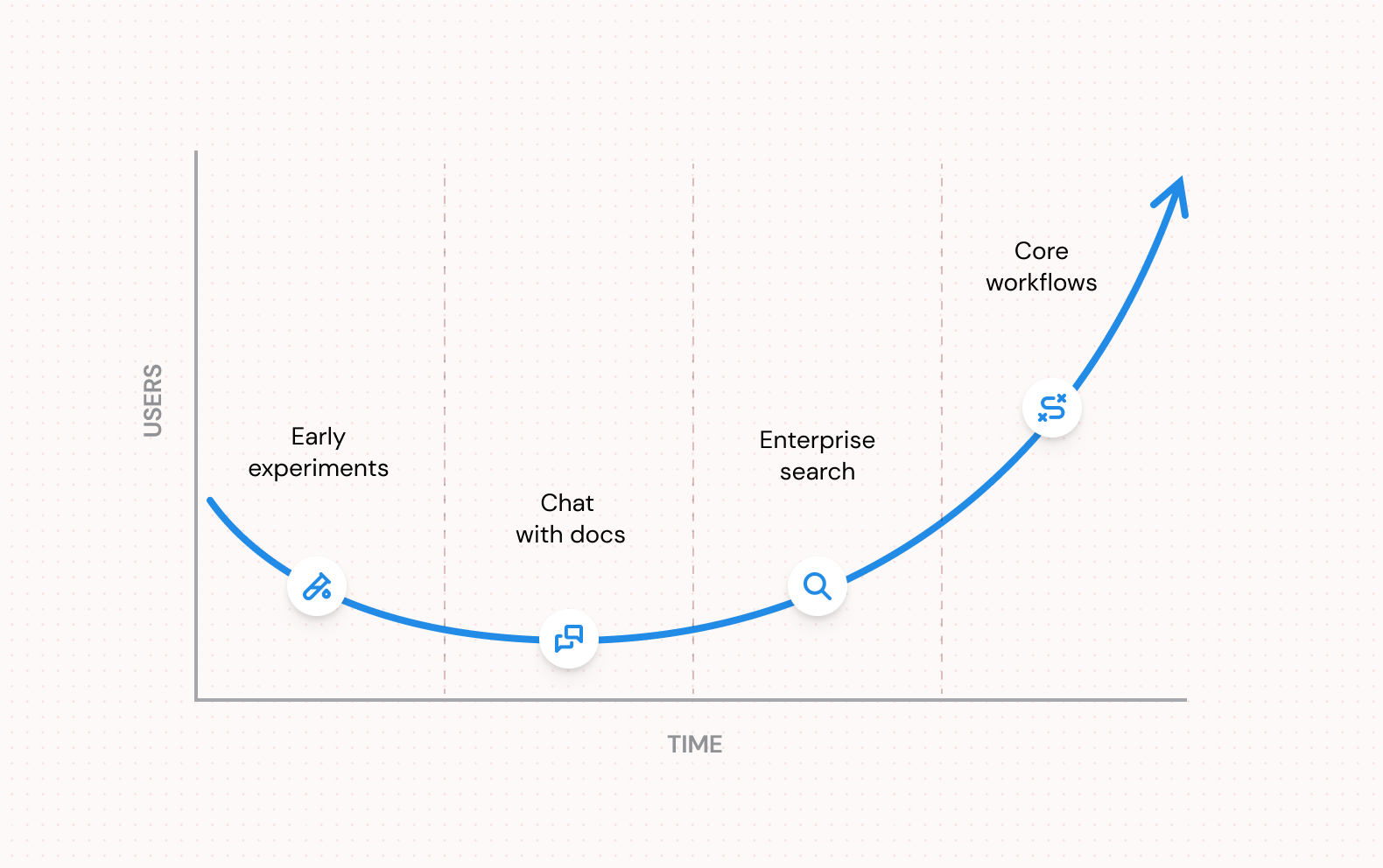
Choose a blockchain network that aligns with your jurisdiction’s regulatory requirements. For financial institutions, this often means selecting a permissioned network or a public chain with robust KYC/AML integration tools. Verify that the provider offers institutional-grade security features, including multi-sig wallets, hardware security module (HSM) support, and clear audit trails. Avoid networks with poor governance models or unclear legal standing in your primary operating regions.
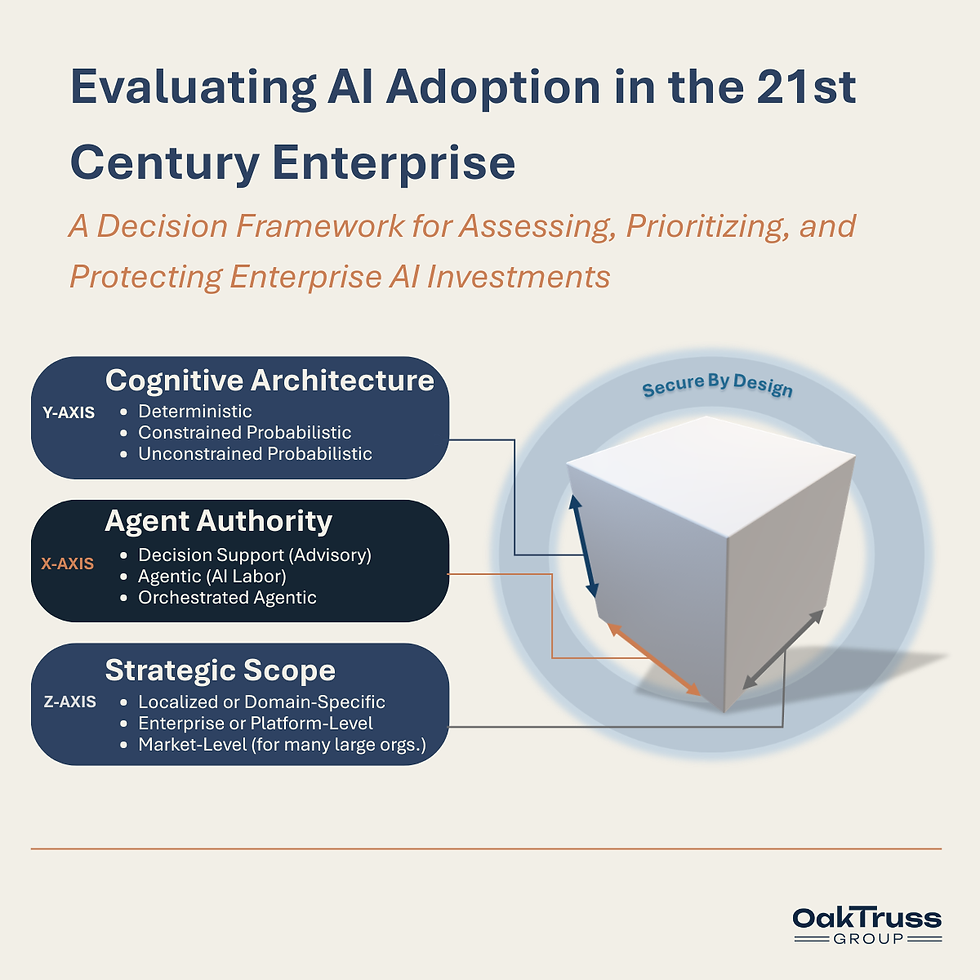
Establish who can propose, validate, and execute transactions. Implement role-based access control (RBAC) that integrates with your existing Identity and Access Management (IAM) systems. Ensure that smart contract upgrades follow a multi-party approval process to prevent unilateral changes. Document these governance rules clearly, as they will be subject to external audits and internal compliance reviews.
No smart contract should go to production without a comprehensive security review. Engage third-party auditors with experience in financial-grade blockchain protocols. Focus on common vulnerabilities such as reentrancy attacks, integer overflows, and access control flaws. Review the audit pass rates and remediation timelines of your chosen providers to ensure they meet your risk tolerance. This step is non-negotiable for any system handling real value.

Connect your blockchain nodes to your legacy ERP, CRM, and accounting systems via secure APIs. Use middleware that handles data serialization and error logging effectively. Ensure that off-chain data feeds (oracles) are reliable and tamper-resistant. Test the integration under load to verify that transaction finality times meet your operational SLAs. This phase often reveals bottlenecks in data synchronization that must be resolved before full rollout.
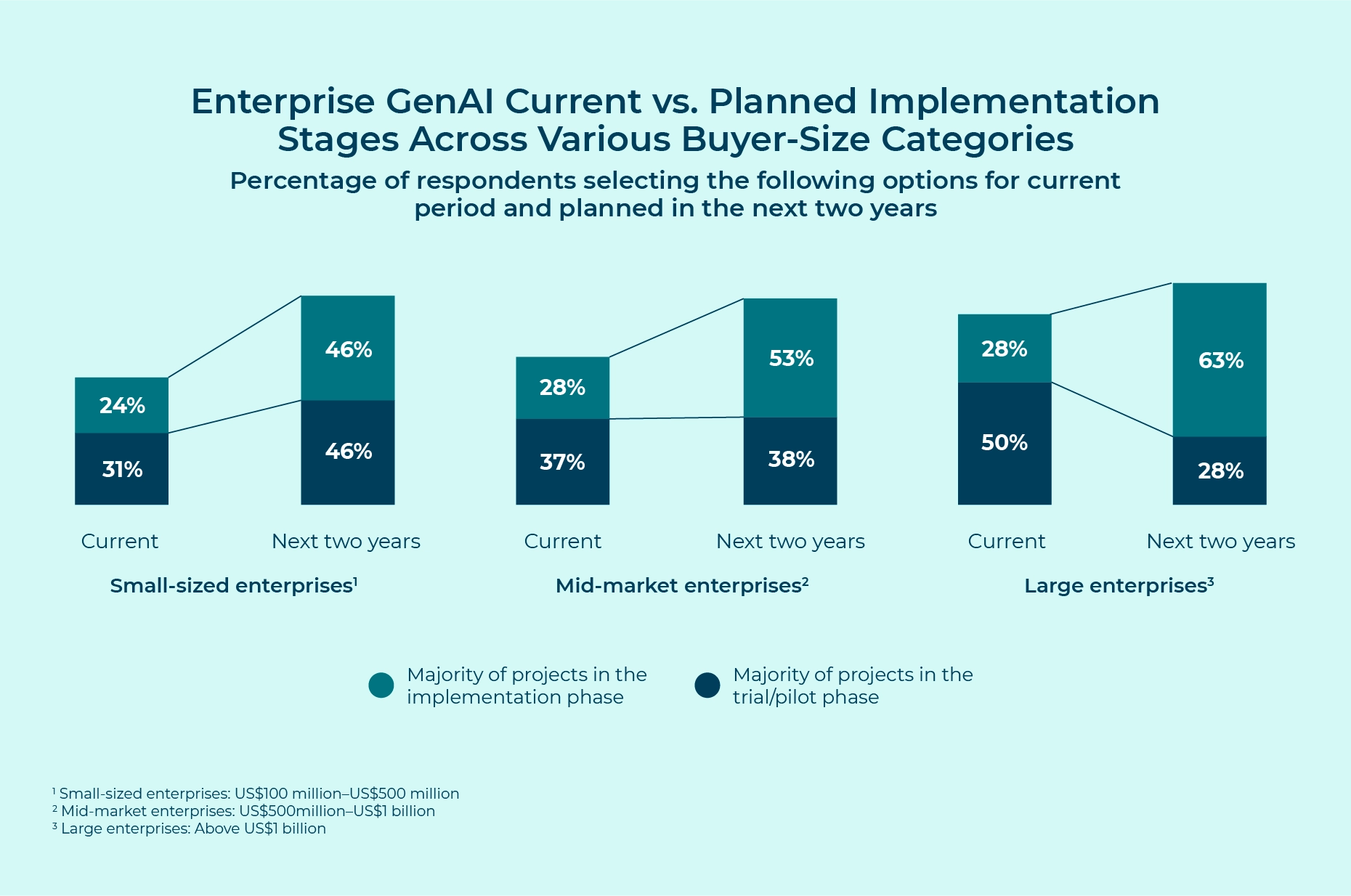
Launch in a controlled environment first. Start with a small subset of users or a non-critical business process. Monitor transaction success rates, gas fees, and node health closely. Gather feedback from end-users and infrastructure teams. Only after validating stability and security should you expand to broader operations. This iterative approach minimizes risk and allows for course correction without disrupting core business functions.
By following this structured approach, you can mitigate the technical and regulatory risks associated with Web3 adoption. The goal is not just to implement new technology, but to build a resilient, compliant, and scalable infrastructure that supports your long-term business objectives.
No comments yet. Be the first to share your thoughts!