Why privacy infrastructure matters now
Enterprise adoption strategy is no longer just about speed or scale; it is fundamentally about trust. As regulatory frameworks like GDPR and CCPA tighten their grip on data handling, the traditional model of storing user data in centralized databases has become a liability. Privacy-compliant infrastructure is shifting from a nice-to-have feature to a strategic necessity for any organization operating at scale.
Zero-knowledge proofs (ZKPs) offer a way to verify data without exposing it. This capability allows enterprises to comply with strict privacy regulations while still leveraging data for analytics, AI training, and customer insights. Instead of hoarding raw data, companies can now prove compliance and validity without compromising user confidentiality.
The urgency is driven by both legal requirements and market expectations. Consumers are increasingly aware of data privacy issues, and a single breach can erode brand trust instantly. By embedding ZK proofs into their architecture, enterprises can demonstrate a proactive stance on privacy, turning compliance into a competitive advantage rather than a costly burden.
This shift requires a rethinking of how data is managed and secured. The goal is to build systems that are inherently private by design, ensuring that data utility does not come at the cost of user privacy. As the landscape evolves, enterprises that prioritize this infrastructure will be better positioned to handle the complex regulatory environment of the future.
Mapping zero-knowledge proofs to business use cases
Zero-knowledge proofs (ZKPs) move beyond abstract cryptography to solve concrete enterprise problems where data privacy and regulatory compliance intersect. The technology allows a party to prove a statement is true without revealing the underlying data. This capability creates a competitive advantage in scenarios where transparency is required, but disclosure is prohibited.
Identity verification is a primary use case. Enterprises can confirm a user is over a certain age or holds valid credentials without storing sensitive personal information. This reduces liability and aligns with privacy regulations like GDPR. Similarly, confidential transactions in financial systems allow institutions to validate compliance rules—such as anti-money laundering checks—without exposing proprietary trading strategies or client balances to competitors or public ledgers.
The following comparison highlights the operational differences between traditional data sharing and ZK-proof verification.
| Dimension | Traditional Data Sharing | ZK-Proof Verification |
|---|---|---|
| Data Exposure | Full dataset shared with verifier | Only proof of validity shared |
| Compliance | High risk of over-disclosure | Minimal data exposure, easier audit |
| Trust Model | Trust in the recipient’s security | Trust in mathematical verification |
Adopting this strategy requires shifting from a "share-to-verify" mindset to a "verify-without-sharing" architecture. This shift is not just technical; it is a strategic decision that protects enterprise assets while enabling necessary collaborations.
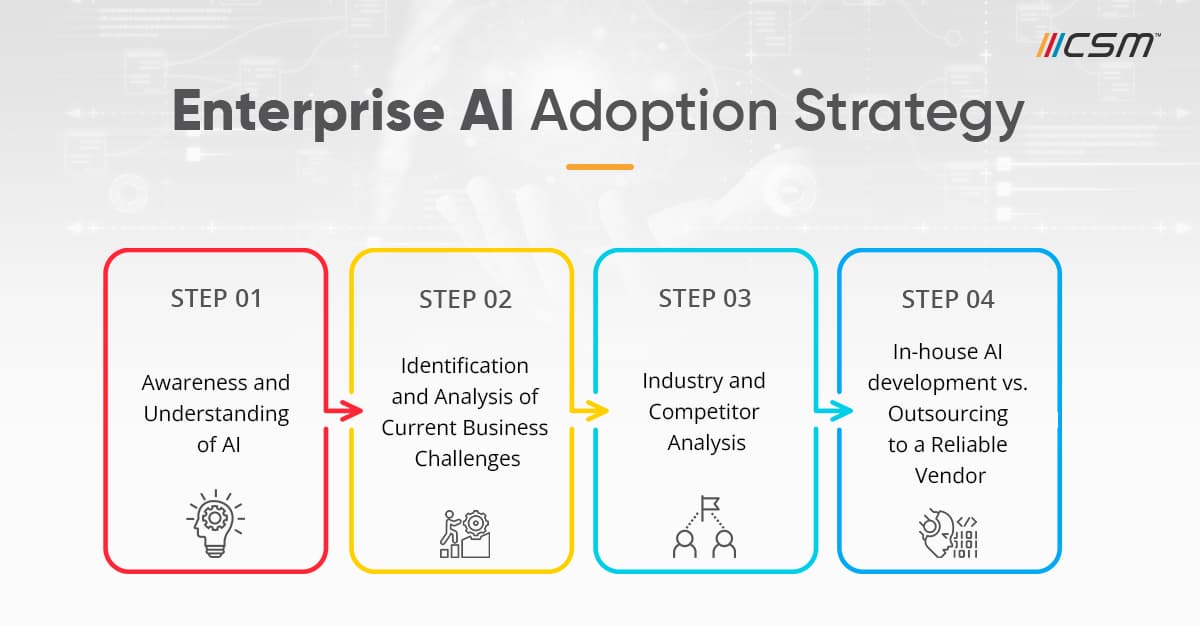
Technical architecture for zero-knowledge proof integration
Integrating zero-knowledge proofs (ZKPs) into an enterprise stack is less about swapping out a database and more about adding a new layer of verification logic to your existing infrastructure. The goal isn't to replace current systems but to extend them with cryptographic guarantees that scale. When you embed ZK circuits into your backend, you're essentially building a bridge between your internal data and public verifiability, allowing the system to prove correctness without exposing the underlying details.
The primary hurdle for enterprise adoption is latency. Generating a ZK proof is computationally expensive, and doing it in real-time for every user transaction is currently impractical for most high-throughput systems. To solve this, most architectures separate the proof generation from the verification. Proof generation becomes an asynchronous background process, often handled by specialized nodes or off-chain compute clusters. Once a proof is generated, it is submitted to the network or a smart contract for verification, which is a much lighter and faster operation.
This separation allows your enterprise to maintain the speed users expect while still benefiting from the security ZKPs provide. You can batch multiple transactions into a single proof, significantly improving throughput. This approach mirrors how modern data warehouses handle heavy analytical queries: the heavy lifting happens in the background, and the front end receives a concise, verified result. By decoupling computation from verification, you can integrate ZKPs into legacy systems without disrupting the user experience.
The choice of ZK framework also impacts integration complexity. Popular libraries like Circom or Halo2 offer different trade-offs between developer experience and proof size. For an enterprise strategy, the ease of debugging and maintaining these circuits is just as important as the proof speed. A well-architected ZK layer should feel like a transparent utility, invisible to the end-user but robust enough to handle the most sensitive financial or personal data.
Cost and performance trade-offs
Adopting zero-knowledge proofs (ZKPs) isn't just a technical upgrade; it's an economic decision. The core tension lies between the high computational cost of generating proofs and the savings from reduced on-chain execution or off-chain verification. For enterprise adoption strategy, this means you must balance proof latency against transaction throughput to find the sweet spot for your specific use case.
Proof generation is computationally expensive, often requiring significant CPU or GPU resources. However, verification is cheap and fast. This asymmetry allows enterprises to move heavy lifting off-chain while only posting succinct proofs on-chain, drastically lowering gas fees and improving scalability. The challenge is optimizing the proof system (like SNARKs vs. STARKs) to match your volume and security requirements without breaking the bank.
To contextualize the fluctuating costs of blockchain operations, here is the current market data for a major asset often used in ZK-rollup ecosystems:
When evaluating ROI, consider the total cost of ownership: infrastructure for proof generation, developer expertise, and the opportunity cost of slower iteration cycles. A robust enterprise adoption strategy accounts for these hidden costs early, ensuring that the performance gains from ZKPs outweigh the operational overhead.
Implementation Checklist for Leaders
Adopting zero-knowledge proof (ZK) infrastructure is not just a technical upgrade; it is a fundamental shift in how your enterprise handles data sovereignty. Like building a secure vault that proves contents without revealing them, ZK adoption requires careful planning across security, compliance, and engineering layers. Use this checklist to guide your initial steps.
Identify exactly which data sets need protection. Not every business problem requires ZK proofs. Focus on high-sensitivity areas like patient health records, financial transaction details, or proprietary supply chain data where revealing the data itself is the risk.
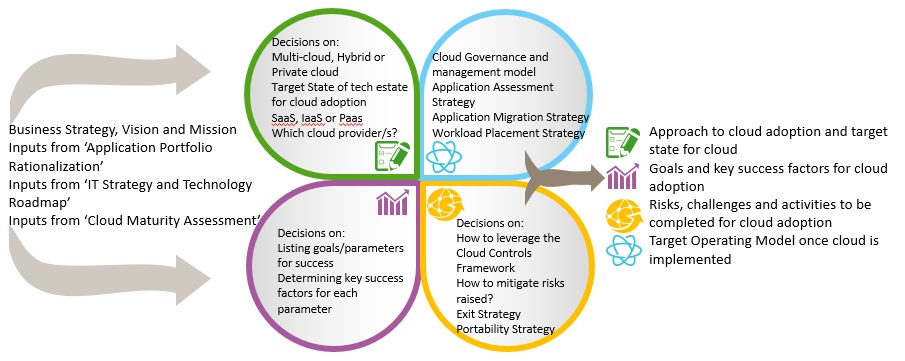
Evaluate your current infrastructure’s ability to handle computational overhead. ZK proofs are computationally expensive. Ensure your engineering team has the capacity to manage proof generation and verification latency, or identify cloud providers offering specialized ZK-accelerated hardware.
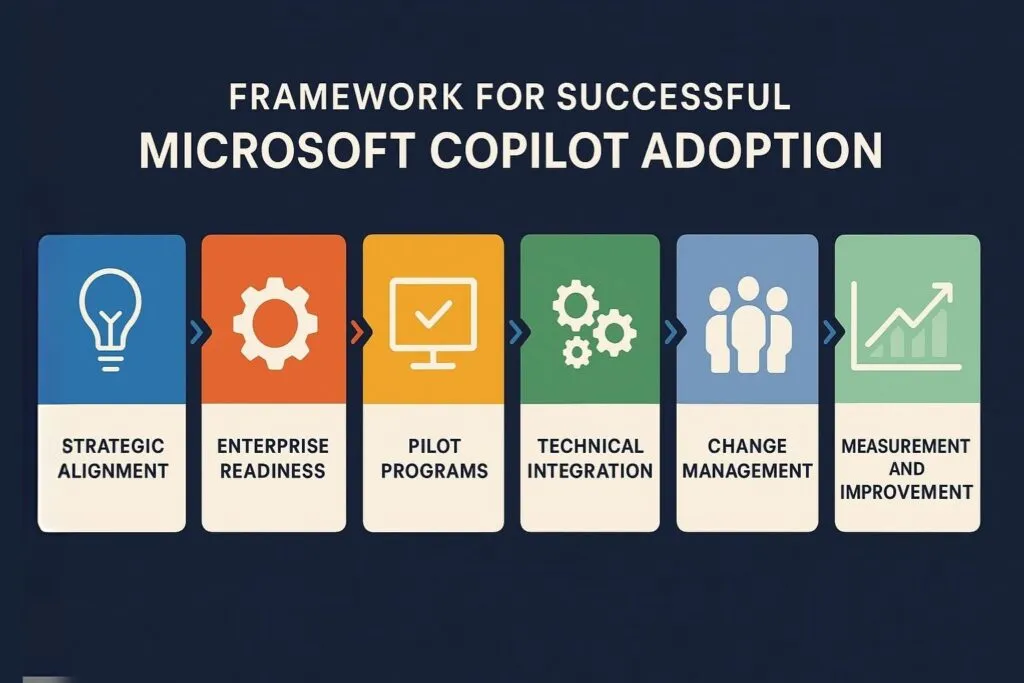
Start small. Choose a contained workflow where ZK proofs can demonstrate value without disrupting core operations. A good pilot might involve verifying user age for compliance without storing identity documents, or proving solvency in a financial ledger without exposing individual transactions.
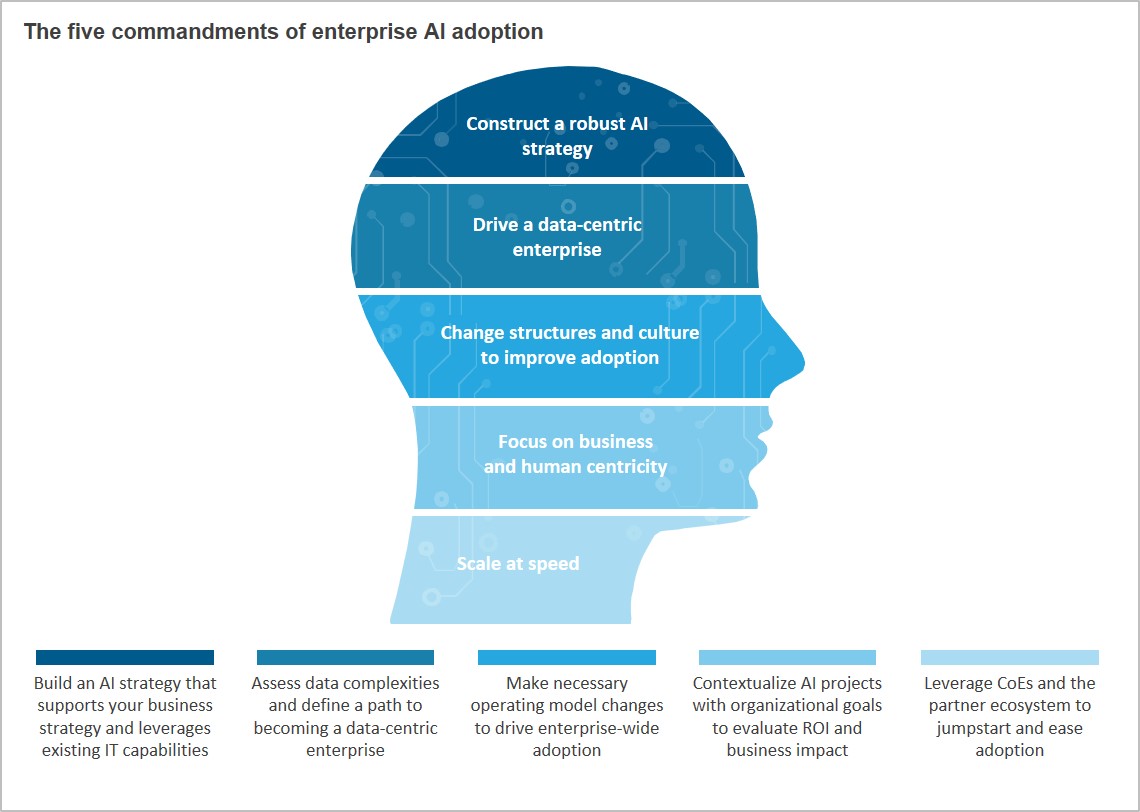
Audit the cryptographic libraries and vendors you plan to use. Prioritize tools with formal security audits and active community support. Avoid proprietary black boxes; transparency in the underlying mathematics is essential for long-term trust and regulatory compliance.
Engage legal and compliance teams early. ZK proofs are still a novel concept for many regulators. Document how your implementation meets existing data protection laws (like GDPR or HIPAA) by minimizing data exposure, rather than just storing more data securely.
Frequently asked questions about ZK proofs
Zero-knowledge proofs (ZKPs) are no longer just a cryptographic curiosity; they are becoming a core component of enterprise adoption strategy for data privacy. Below are the most common questions we receive from CTOs and compliance officers evaluating ZK technology.
No comments yet. Be the first to share your thoughts!