Enterprise Adoption Analysis: Infrastructure, Tools, and Strategy for 2026
Market momentum in institutional crypto
The narrative around institutional cryptocurrency has shifted from speculative curiosity to operational integration. This transition is not driven by hype, but by the convergence of regulatory clarity and mature infrastructure. Enterprise adoption now refers to the strategic integration of blockchain technology into core business layers, moving beyond pilot programs to production-grade systems.
Regulatory frameworks in key jurisdictions have provided the certainty required for large-scale capital allocation. Institutions are no longer asking if they should participate, but how to do so securely and compliantly. This shift is evident in the steady accumulation patterns observed in long-term holder metrics, signaling a move toward holding assets as part of treasury strategies rather than short-term trading.
The infrastructure supporting this momentum has matured significantly. Custody solutions, compliance tools, and settlement layers now meet the rigorous standards required by traditional finance. This maturity reduces operational risk, allowing enterprises to treat digital assets with the same seriousness as equities or fixed-income securities.
The following chart illustrates the long-term accumulation trends for Bitcoin, reflecting the sustained interest from institutional players who are positioning for the next phase of market development.
Core infrastructure layers for integration
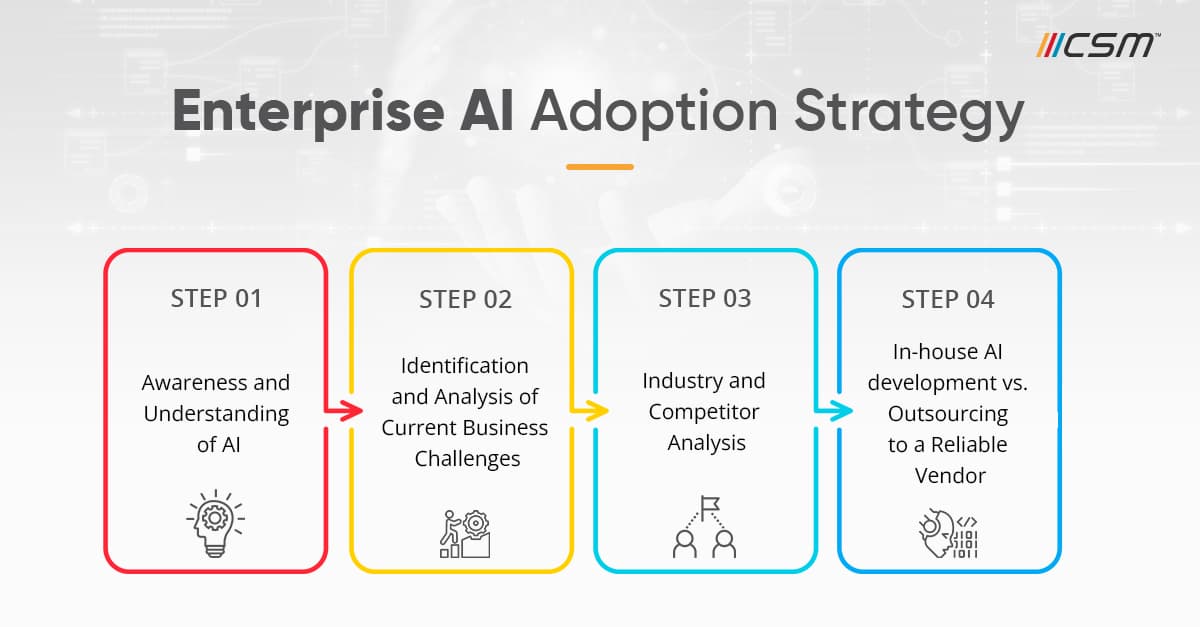
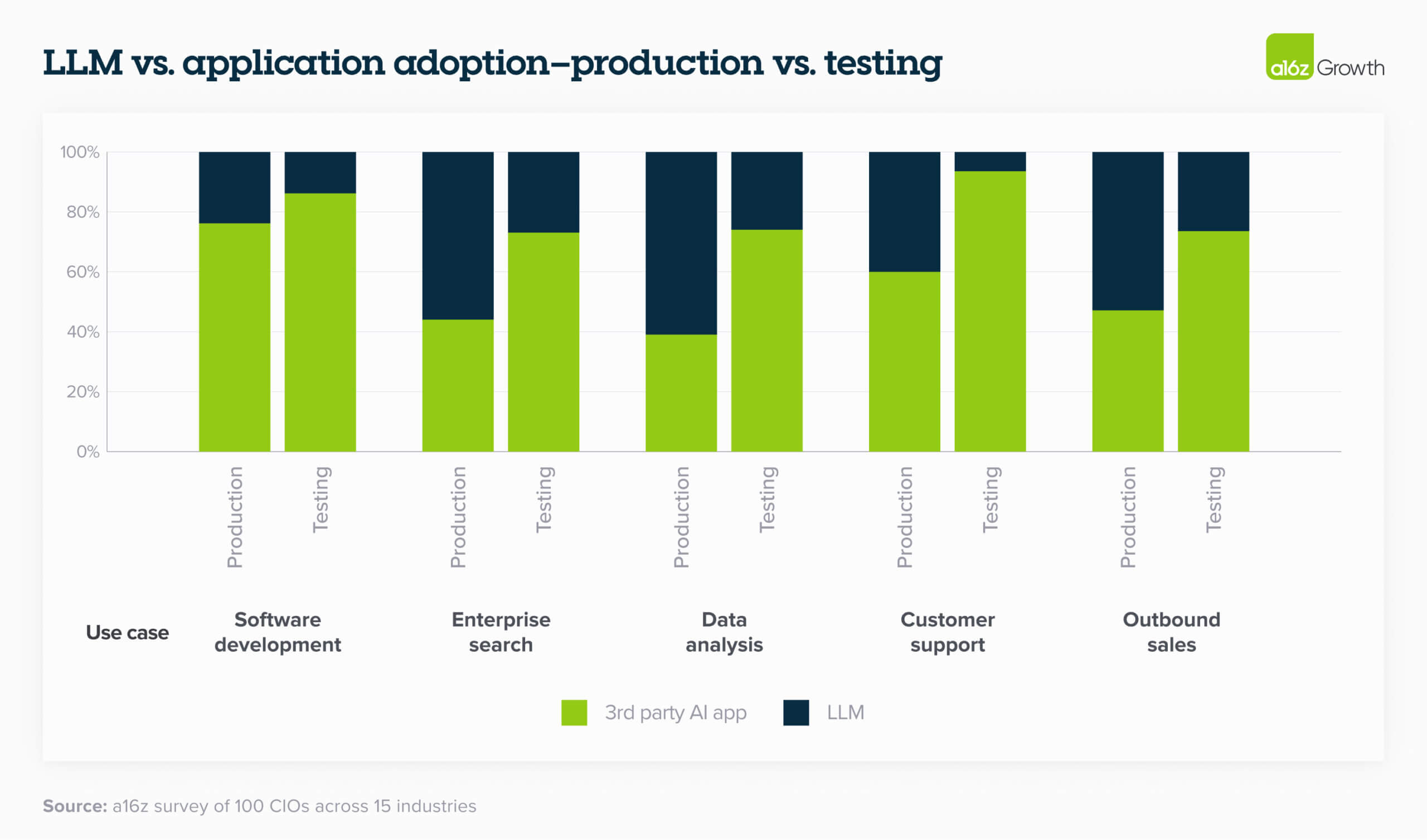
Enterprise adoption of AI requires a technical backbone that balances speed with security. The infrastructure is no longer just about storage; it is about the active movement of data and models across hybrid environments. According to Databricks, enterprise production models have grown 11x, with vector databases seeing 377% growth, signaling a shift toward real-time, integrated systems rather than isolated experiments [1].
Custody and Security
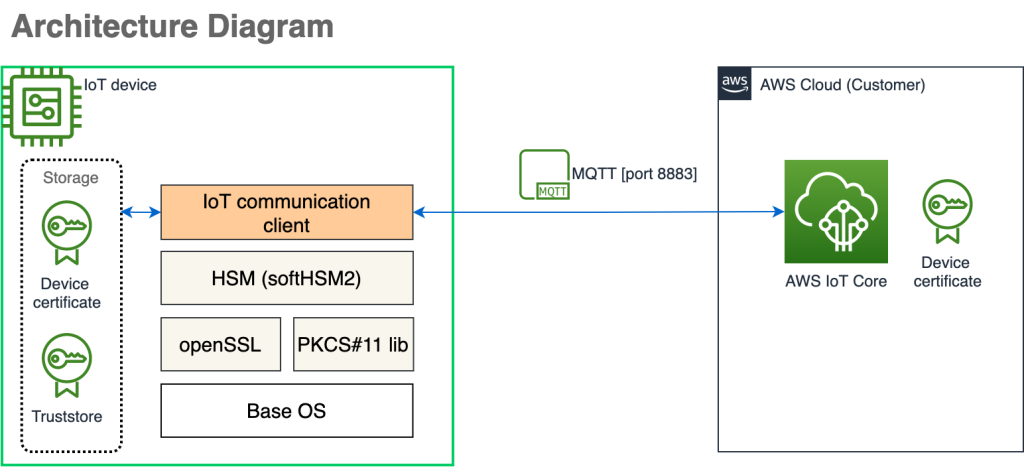
For financial and high-stakes sectors, custody solutions have evolved from simple key management to comprehensive risk frameworks. Providers like Fireblocks, Coinbase Prime, and Anchorage now offer institutional-grade security that supports multi-party computation and hardware security modules. These tools ensure that digital assets and sensitive AI models remain protected against sophisticated threats while maintaining operational liquidity.
Blockchain Bridges and Compliance
Integration often relies on blockchain bridges to connect legacy systems with decentralized networks. These bridges facilitate the secure transfer of data and value, but they require strict compliance rails. The OECD highlights that successful adoption depends on clear regulatory alignment, ensuring that automated systems adhere to data sovereignty and privacy laws [2]. Without these compliance layers, the risk of regulatory friction can stall deployment entirely.
Comparing Custody Providers
Choosing the right custody solution is critical. The table below compares three leading providers on key security features and compliance certifications.
| Provider | Security Features | Compliance Certifications |
|---|---|---|
| Fireblocks | Multi-party computation (MPC), Hardware Security Modules (HSM) | SOC 2 Type II, ISO 27001 |
| Coinbase Prime | Cold storage, Multi-sig wallets, Institutional custody | SOC 1 Type II, ISO 27001, NYDFS BitLicense |
| Anchorage Digital | Fully insured, MPC, HSM-based key management | SOC 2 Type II, ISO 27001, NYDFS BitLicense |
Essential tools for operational workflows
Enterprise adoption of crypto infrastructure requires more than just a wallet; it demands a stack that integrates seamlessly with existing IT governance, compliance frameworks, and developer workflows. The tools selected must bridge the gap between traditional financial controls and the immutable nature of blockchain operations. Without this integration, operational friction increases, exposing the organization to security vulnerabilities and regulatory missteps.
Treasury and Payment Infrastructure
For high-volume transactions, relying on manual key management is insufficient. Enterprise treasury management systems (TMS) provide multi-signature controls, automated reconciliation, and real-time audit trails. These platforms connect directly to payment gateways, allowing businesses to accept crypto payments while instantly converting to fiat or stablecoins to mitigate volatility risk. This layer is critical for maintaining liquidity and ensuring that treasury movements are logged in a format compatible with standard accounting software.
Developer SDKs and API Integrations
Building custom integrations from scratch is rarely cost-effective for most enterprises. Robust developer SDKs and API-first platforms allow engineering teams to embed blockchain functionality—such as smart contract interaction or token transfers—into existing applications without managing node infrastructure. These tools abstract the complexity of consensus mechanisms and gas fees, enabling developers to focus on user experience and business logic. Standardized APIs also ensure that new blockchain assets can be integrated with minimal code changes.
Secure Key Storage Hardware
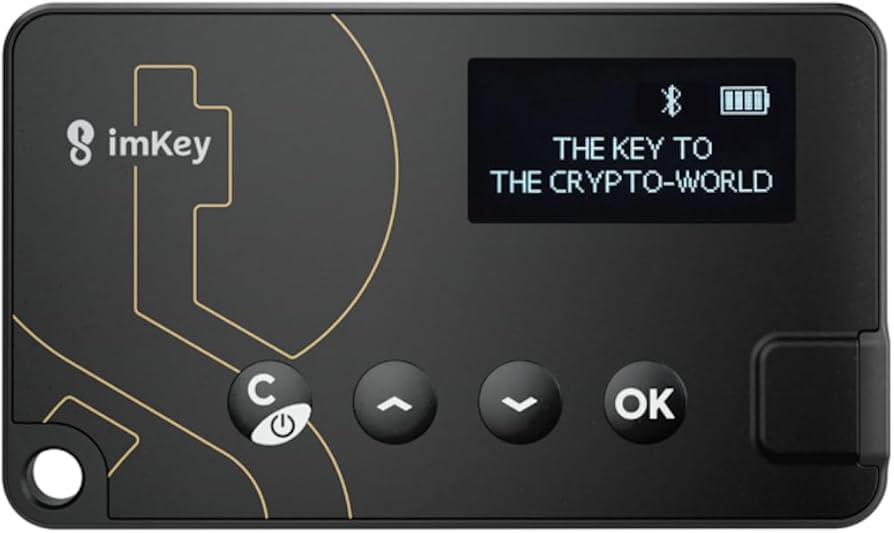
The physical security of private keys remains the most critical vulnerability in enterprise crypto operations. Hardware security modules (HSMs) and dedicated hardware wallets provide tamper-resistant environments for key generation and signing. For enterprise procurement, look for devices that support FIPS 140-2 validation and offer centralized management consoles. These tools ensure that even if a server is compromised, the private keys never leave the secure hardware boundary, maintaining the integrity of the treasury.
As an Amazon Associate, we may earn from qualifying purchases.
Risk management frameworks for enterprise AI
Governance is the structural backbone of enterprise AI adoption. Without it, initiatives drift from controlled pilots into unmanaged risk zones. The distinction between a successful deployment and a costly failure rarely lies in the model itself, but in the oversight surrounding it.
Pillar 1: Regulatory alignment
Regulatory frameworks are evolving faster than internal compliance teams can track. Enterprises must map their AI use cases against emerging guidelines, such as the EU AI Act, to ensure classification accuracy. This isn't just about avoiding fines; it's about building trust with stakeholders who demand transparency. Treat compliance as a continuous audit loop, not a pre-launch checklist.
Pillar 2: Operational resilience
Volatility in model performance and data drift poses an immediate operational threat. A framework must define clear thresholds for degradation. When accuracy drops below a set percentage, automated fallbacks should kick in before users notice. This requires real-time monitoring tools that sit between the model and the end-user, acting as a circuit breaker for potential failures.
Pillar 3: Strategic oversight
Risk isn't solely an IT problem; it's a board-level concern. Establishing an AI governance committee with cross-functional representation ensures that ethical, legal, and business risks are weighed equally. This group sets the boundaries for experimentation, allowing teams to innovate within safe parameters. It turns risk management from a bottleneck into a steering mechanism.
Measuring what matters
Traditional KPIs like cost savings are insufficient for measuring AI maturity. New metrics must capture adoption rates, model reliability, and compliance adherence. According to industry surveys, nearly 80% of executives struggle with these very challenges, often due to a lack of clear metrics. Shift your focus from simple ROI to a balanced scorecard that includes risk-adjusted returns.
No comments yet. Be the first to share your thoughts!