Why enterprise adoption strategy matters now
Web3 is shifting from experimental to operational. A clear enterprise adoption strategy focuses on infrastructure readiness, tool selection, and measurable ROI. The era of treating blockchain as a novelty is over; it is now a critical component of digital infrastructure for high-stakes decision makers.
The urgency stems from a convergence of technological maturity and market pressure. Early adopters have moved past proof-of-concept pilots to integrate decentralized protocols into core supply chain, identity, and settlement layers. This shift is driven by the need for transparency, reduced counterparty risk, and automated compliance through smart contracts.
Consider the infrastructure analogy: building on Web2 is like renting land in a developed city, while Web3 is about owning the deed and the underlying protocol. For enterprises, this means moving beyond simple API integrations to architectural changes that leverage immutable ledgers and tokenized assets. The goal is not just to adopt new tech, but to rebuild the trust layer of business operations.
The financial sector is leading this charge, with major institutions launching regulated crypto custody and trading platforms. This institutional validation reduces the perceived risk for other sectors. However, the barrier remains high. Enterprises must navigate complex regulatory landscapes, technical interoperability issues, and significant cultural shifts in IT operations.
Success requires a phased approach. Start with internal use cases where transparency adds clear value, such as audit trails or inter-company settlements. Then expand to customer-facing applications like loyalty programs or digital identity verification. Each step must be measured against clear KPIs: cost reduction, speed of settlement, and user trust metrics.
The window for strategic positioning is narrowing. Companies that delay infrastructure development risk falling behind peers who are already leveraging Web3 for competitive advantage. The question is no longer if to adopt, but how quickly you can build the necessary foundation.
Mapping the enterprise adoption infrastructure
Building a Web3 stack isn't about buying a single software license. It requires assembling a distributed technical backbone that mirrors the resilience of legacy financial systems while leveraging decentralized architecture. For enterprise decision-makers, this means prioritizing infrastructure that is auditable, secure, and capable of handling high-volume transaction throughput without compromising data privacy.
At the core of this infrastructure are nodes. These are the servers that validate transactions and maintain the ledger. Enterprises typically rely on managed node providers to handle the heavy lifting of synchronization and uptime, allowing internal teams to focus on application logic rather than server maintenance. This setup ensures that the network layer remains robust against outages and single points of failure.
Identity and access management form the next critical layer. Unlike traditional username-password systems, Web3 relies on digital wallets and cryptographic keys. Enterprise wallet solutions must support multi-signature requirements and hardware security modules (HSMs) to prevent unauthorized access. This approach aligns with existing IT security protocols, ensuring that key management meets the stringent compliance standards required in regulated industries.
Security protocols extend beyond access control to include smart contract auditing and real-time monitoring. Every line of code that executes on-chain must be verified for vulnerabilities. Integrating automated monitoring tools allows teams to detect anomalous transactions or potential exploits instantly, providing a safety net that traditional IT security frameworks often lack in decentralized environments.
To understand the scale of the network these infrastructures support, it helps to look at the underlying asset metrics. The following chart illustrates the transaction volume and network activity for Ethereum (ETH), a primary settlement layer for many enterprise Web3 applications. This data reflects the real-world demand and throughput capabilities that your infrastructure must be designed to handle.
Selecting enterprise adoption tools for integration
Building a Web3 infrastructure requires more than just choosing a blockchain; it demands a stack that balances developer velocity with enterprise-grade security. The right tools reduce friction during the transition from pilot to production, ensuring that your integration supports long-term scalability rather than temporary experimentation.
When evaluating platforms, focus on three core criteria: ease of integration with existing legacy systems, community support for troubleshooting, and native enterprise readiness features like identity management and compliance reporting. A fragmented toolset leads to security gaps, while a cohesive stack accelerates deployment.
The following comparison highlights leading development platforms based on these practical metrics. Use this data to narrow your vendor shortlist before diving into technical proofs of concept.
| Platform | Ease of Use | Community Support | Enterprise Readiness |
|---|---|---|---|
| Ethereum (Solidity) | Moderate | Very Large | High |
| Hyperledger Fabric | Complex | Large | Very High |
| Polkadot | Moderate | Growing | Medium |
| Corda | Complex | Medium | Very High |
For teams prioritizing privacy and permissioned networks, Hyperledger Fabric and R3 Corda offer the strictest access controls, making them ideal for financial institutions and healthcare providers. Ethereum remains the default for public-facing applications due to its unmatched liquidity and developer ecosystem, though it requires additional layers for compliance.
To secure your development environment and manage private keys safely, consider equipping your team with dedicated hardware wallets and developer kits. These tools provide essential physical isolation for key management, reducing the risk of remote exploits during the testing phase.



As an Amazon Associate, we may earn from qualifying purchases.
Conducting enterprise adoption market research
Before committing infrastructure budgets, you need to validate the business case with hard data. Enterprise Web3 adoption isn't about hype; it's about solving specific friction points in supply chain transparency, settlement speed, or data sovereignty. You must treat this research like a technical audit, not a marketing exercise.
Start by mapping the regulatory landscape. Unlike consumer crypto, enterprise deployments face strict compliance requirements. Assess how GDPR, CCPA, or industry-specific regulations impact your data storage and smart contract logic. A failure to account for regulatory friction often derails pilots before they reach production.
Next, analyze your competitors' infrastructure choices. Are they building on permissioned ledgers like Hyperledger Fabric, or leveraging public chains with zero-knowledge proofs for privacy? Identify where they are failing. Many enterprises stumble because they choose technology based on novelty rather than interoperability with existing ERP systems. Look for concrete examples of failed integrations to avoid similar pitfalls.
Finally, quantify the value. Calculate the cost of current inefficiencies versus the projected savings from Web3-enabled processes. Use official sources for market size and adoption rates to build a credible ROI model for your board. If you can't prove a clear financial or operational advantage, the project won't survive the initial review.
Moving from Pilot to Production
The gap between a successful Web3 pilot and a full-scale enterprise rollout is where most projects fail. It is not a technology problem; it is an infrastructure and governance problem. You need a structured workflow that treats blockchain integration like any other core system upgrade, but with stricter security and immutable data requirements.
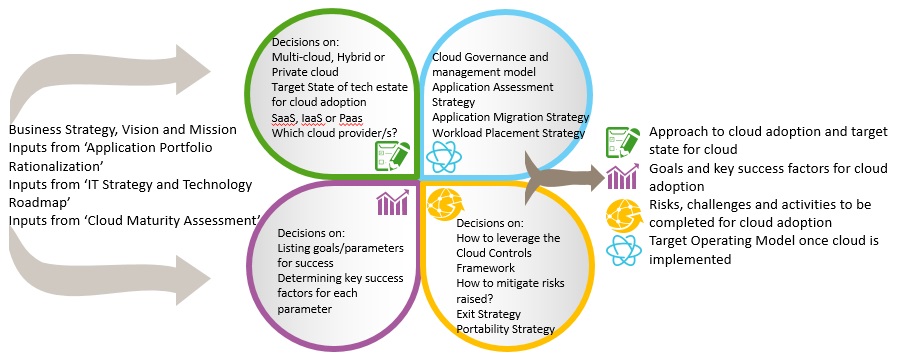
Start by establishing a clear governance framework. Microsoft’s Cloud Adoption Framework emphasizes that AI and Web3 strategies must carry governance and security decisions into production, not just experimentation. Define who approves smart contract deployments, who manages private keys, and how compliance audits are handled. Without this structure, your pilot will remain isolated and unsustainable.
Next, focus on change management. Your users do not care about the underlying distributed ledger; they care about whether the new system works faster and safer than the old one. Train your teams on wallet management, transaction signing, and recovery procedures. If the user experience is clunky, adoption will stall regardless of the technology’s potential.
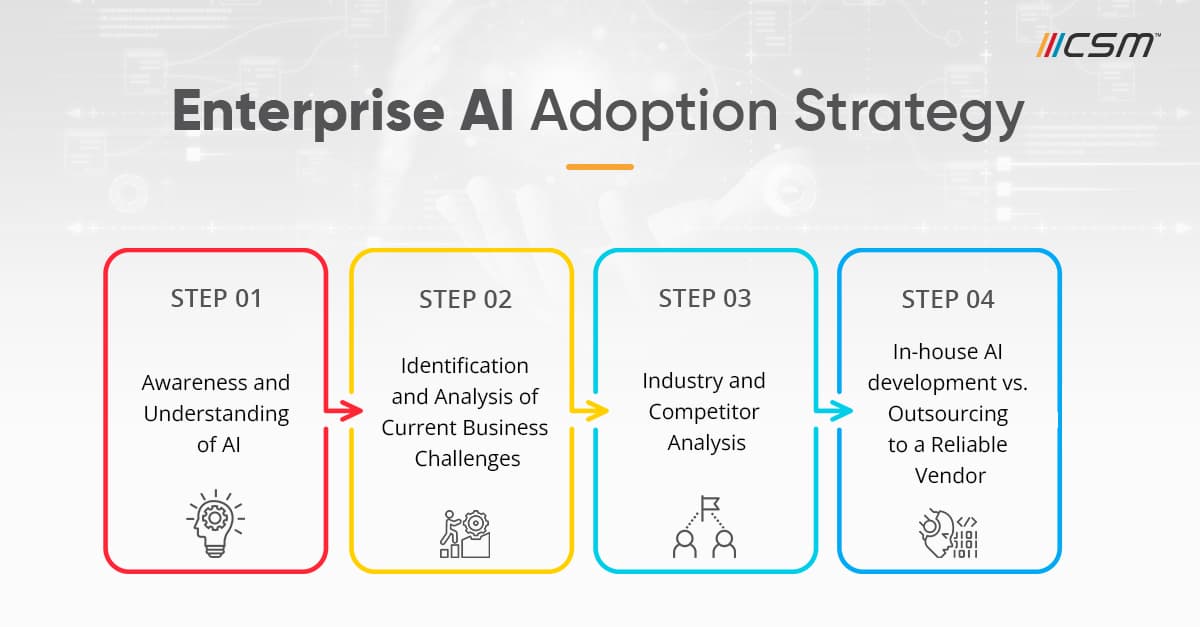
Finally, implement a phased rollout. Do not flip the switch on all systems at once. Start with low-risk, high-visibility use cases to build confidence and identify bottlenecks. Monitor gas fees, transaction latency, and user support tickets closely. Adjust your infrastructure based on real-world data before expanding to more complex operations.
Conduct a full security audit of your pilot’s smart contracts and node infrastructure. Simultaneously, draft a governance policy that defines roles for key management, upgrade protocols, and compliance reporting. This creates the guardrails needed for production.

Develop the middleware that connects your legacy ERP or CRM systems to the blockchain. This layer must handle data normalization, transaction batching, and error handling. It acts as the bridge, ensuring your existing tools can interact with Web3 protocols without breaking.
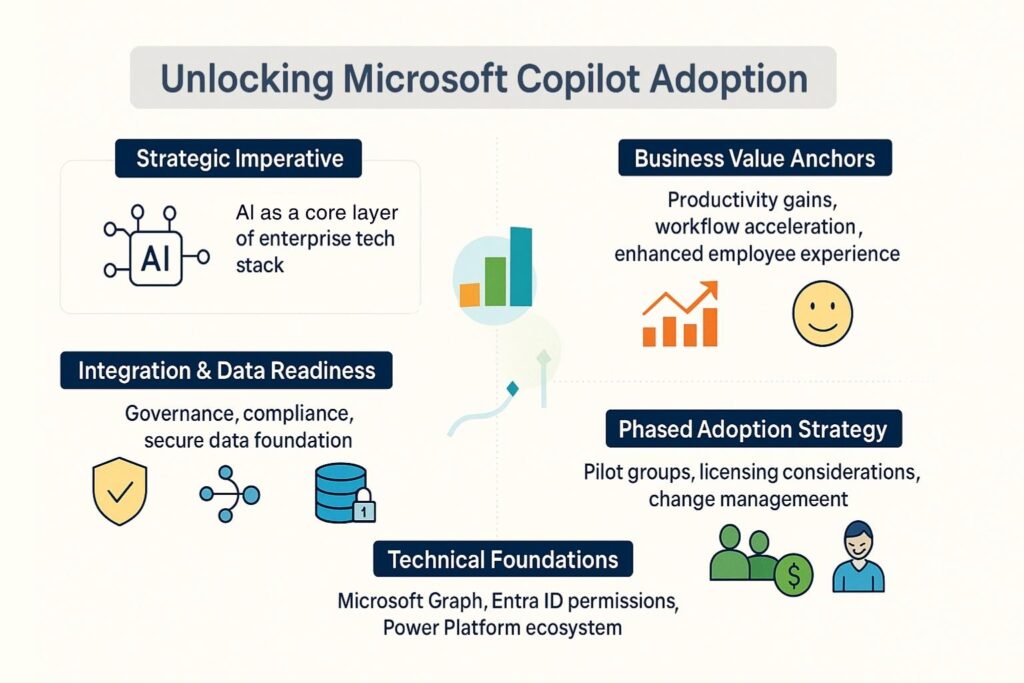
Launch a targeted training program for employees who will interact with the new system. Focus on practical skills: how to approve transactions, how to recover access, and how to recognize phishing attempts. Change management is about reducing friction, not just teaching theory.
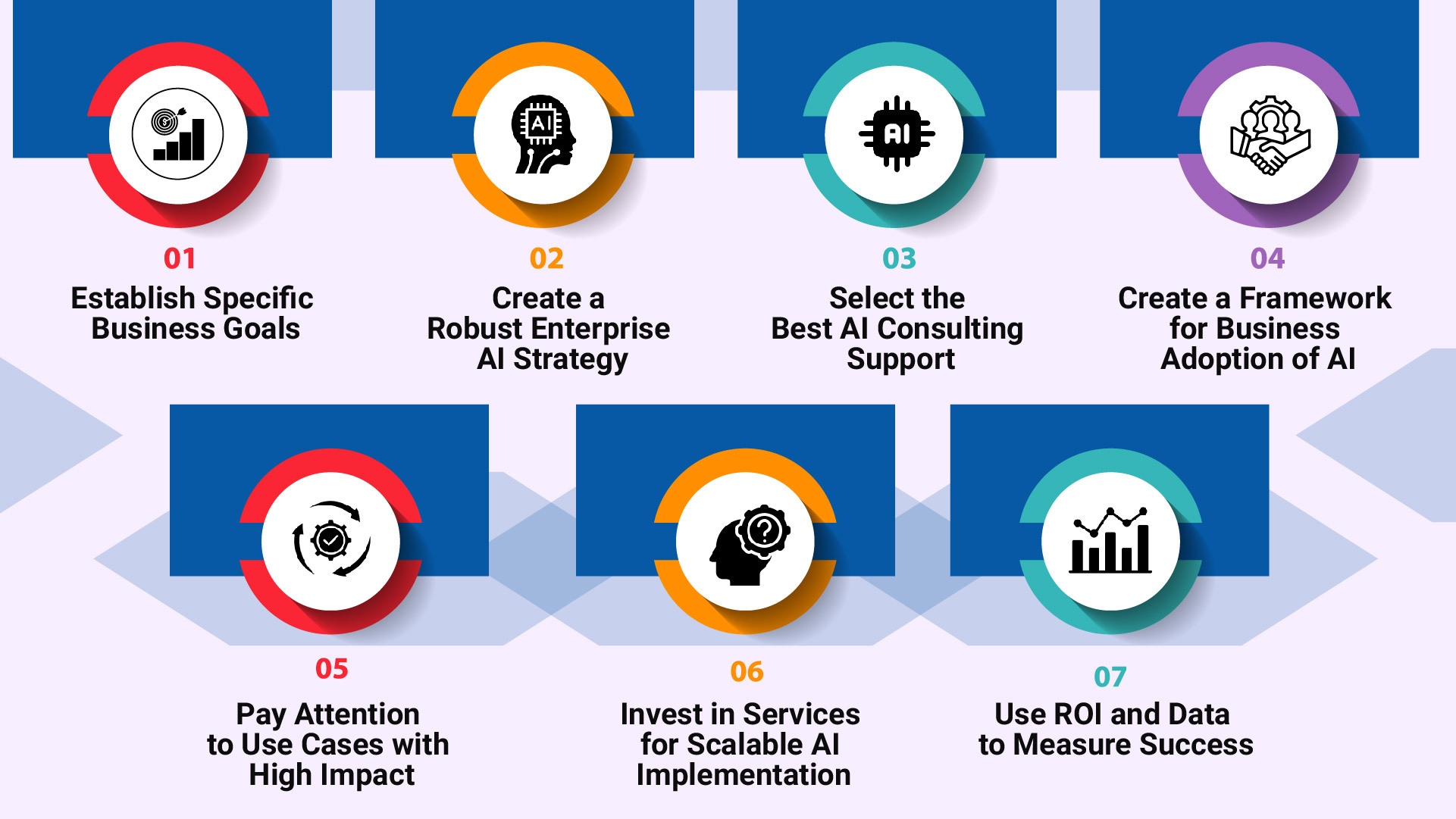
Deploy the solution to a limited group of users first. Monitor performance metrics like transaction speed and error rates. Gather feedback on the user experience and fix bugs before expanding to the entire organization. This minimizes risk and builds internal confidence.
Once fully live, shift to continuous monitoring. Track gas costs, node health, and user adoption rates. Use this data to optimize your infrastructure and adjust your governance policies as needed. Web3 is not a set-and-forget technology; it requires ongoing management.
No comments yet. Be the first to share your thoughts!