Why institutions are shifting to RWA
The financial landscape is undergoing a structural pivot. For years, institutional capital in digital assets was driven by speculative momentum and volatility. Today, that narrative has fractured. The current enterprise adoption strategy is no longer about chasing digital yield; it is about securing tangible backing. Real-world assets (RWA) offer a bridge between traditional finance's stability and blockchain's efficiency, addressing the core institutional need for risk-adjusted returns.
Central banks and major financial institutions are moving from pilot programs to production-ready infrastructure. This shift is not merely technological; it is a response to macroeconomic pressures. Inflation hedging, liquidity fragmentation, and the demand for 24/7 settlement capabilities are forcing a re-evaluation of legacy systems. Tokenization allows for fractional ownership of illiquid assets like real estate and private credit, opening these markets to a broader base of institutional investors who previously lacked access.
The shift from speculative digital assets to tokenized real-world assets is a core component of modern enterprise adoption strategy, driven by the need for transparency and regulatory compliance.
This transition requires a robust enterprise adoption strategy that prioritizes interoperability and regulatory clarity. Institutions are not looking for another volatile token; they are building infrastructure that mirrors the reliability of traditional settlement layers while leveraging the programmability of smart contracts. The focus has moved from "if" to "how," with major players investing heavily in the underlying rails that will support this new asset class.
Mapping the RWA infrastructure stack
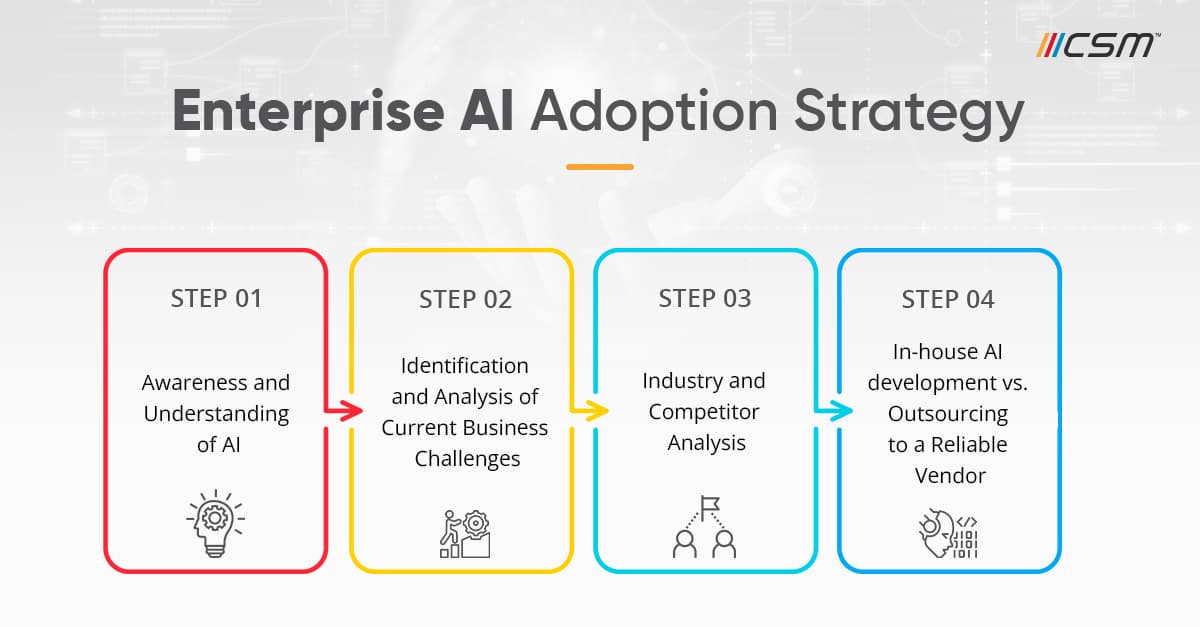
Building an enterprise adoption strategy for Real World Assets (RWA) requires a disciplined approach to the underlying technical stack. Unlike consumer applications, enterprise-grade RWA solutions demand a layered architecture that prioritizes security, regulatory compliance, and operational resilience. The infrastructure is not a monolith; it is a series of interconnected modules, each responsible for a specific function in the asset lifecycle.
The first layer is custody. This is the digital vault where assets are held. For enterprises, this means integrating with qualified custodians who can provide institutional-grade security, such as multi-signature wallets and hardware security modules. The custody layer ensures that the private keys controlling the assets are protected against theft and unauthorized access, forming the foundation of trust for investors.
Next is the settlement layer. This is where the actual transfer of ownership occurs, typically on a blockchain network. The settlement layer must handle the tokenization of the underlying asset, ensuring that the digital representation accurately reflects the legal rights of the holder. It also manages the reconciliation of on-chain data with off-chain legal records, a process that is critical for auditability and regulatory reporting.
Finally, the oracle layer bridges the gap between the blockchain and the real world. Oracles provide the external data needed to value the underlying assets, such as real estate prices, commodity rates, or interest rates. Without accurate and tamper-proof oracle feeds, the RWA tokens cannot function correctly, as their value would be disconnected from the reality they represent.
Compliance and regulatory alignment
Your enterprise adoption strategy for RWA infrastructure must treat regulatory compliance as a first-class citizen, not an afterthought. In the high-stakes world of institutional finance, a single regulatory misstep can halt integration entirely. You are not just building software; you are building a bridge between traditional capital markets and digital assets. That bridge requires rigorous engineering to withstand the scrutiny of bodies like the SEC and the European Union’s MiCA framework.
The primary risk in RWA integration is the divergence between on-chain automation and off-chain legal reality. Your strategy must prioritize mapping every tokenized asset to its underlying legal structure. This means ensuring that the smart contracts executing transfers align perfectly with the custodial agreements and ownership rights defined in traditional law. If the code says "transfer" but the law says "restricted," the enterprise adoption fails.
Consider the SEC’s evolving stance on security tokens. Even if an asset is tokenized, if it represents an investment contract, it must comply with federal securities laws. Similarly, MiCA imposes strict transparency and reserve requirements for asset-referenced tokens. Your enterprise adoption strategy must embed these compliance checks directly into the infrastructure layer. This isn't about slowing down innovation; it's about ensuring the innovation is durable enough for institutional balance sheets.
Failure to align with these frameworks creates existential risk. Institutions will not deploy capital into systems that expose them to regulatory liability. By making compliance a core component of your enterprise adoption strategy, you mitigate this risk and create a foundation for scalable, trusted integration. This approach transforms regulatory hurdles from blockers into competitive advantages, signaling to partners that your infrastructure is built for the long haul.
Evaluating RWA market research data
Interpreting market research for real-world asset (RWA) tokenization requires looking past the hype to the mechanics of liquidity, yield, and counterparty risk. Your enterprise adoption strategy depends on distinguishing between theoretical efficiency and operational reality. Traditional financial metrics must be mapped onto on-chain behaviors to avoid structural blind spots.
When comparing traditional asset classes against tokenized RWAs, the differences in liquidity and settlement are stark. Traditional markets often involve intermediaries that slow down settlement and increase friction. Tokenized assets promise near-instant settlement and fractional ownership, but these benefits depend entirely on the underlying infrastructure and regulatory framework.
The table below highlights the key operational differences you need to validate in your research.
| Metric | Traditional Assets | Tokenized RWAs | Key Risk Factor |
|---|---|---|---|
| Settlement Time | T+2 days | Near-instant | Smart contract bugs |
| Liquidity | Low (private markets) | Higher (24/7 trading) | Market depth |
| Minimum Investment | High ($1M+) | Low ($100+) | Fractionalization limits |
| Counterparty Risk | Lower (on-chain) | Issuer default |
Liquidity is the primary driver for enterprise adoption, but it is not guaranteed. Research must confirm that there is sufficient secondary market depth to exit positions without significant slippage. Yield structures must also be transparent; many tokenized products promise high returns that are actually just risk premiums disguised as innovation.
Counterparty risk shifts from institutional intermediaries to smart contract auditors and asset issuers. Your strategy should prioritize protocols with rigorous audit histories and clear legal wrappers that define ownership rights. Ignoring these technical and legal details can turn a theoretical efficiency gain into a compliance nightmare.
Steps to implement the adoption strategy
Integrating Real World Assets (RWA) into your enterprise adoption strategy requires moving beyond theoretical pilots to production-ready infrastructure. This process mirrors the shift from isolated agent experiments to integrated business workflows, ensuring that RWA protocols align with existing financial and technical controls.
Identify which tangible assets—such as private credit, real estate, or commodities—fit your risk appetite. Map the liquidity constraints and settlement cycles to ensure they align with your treasury’s operational rhythm. This prevents mismatched capital deployment during market stress.
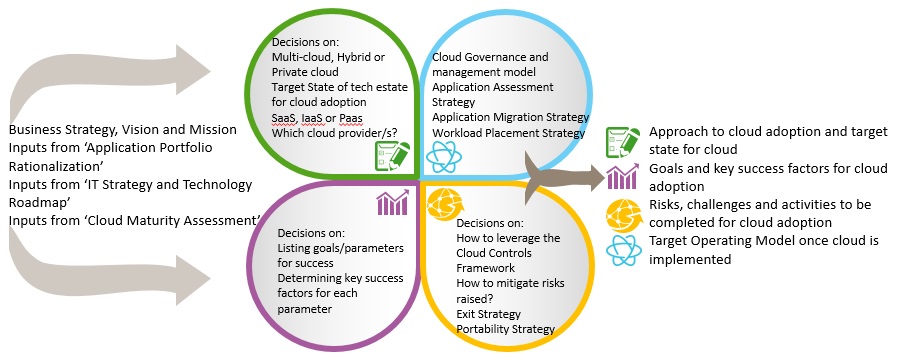
Audit potential blockchain and tokenization providers for regulatory alignment. Prioritize vendors with established KYC/AML frameworks and audited smart contracts. Your infrastructure must support institutional-grade custody and transparent audit trails from day one.

Build API connectors between your RWA ledger and core financial systems like SAP or Oracle. This ensures that tokenized asset valuations update in real-time, allowing CFOs to view RWA positions alongside traditional holdings without manual reconciliation.
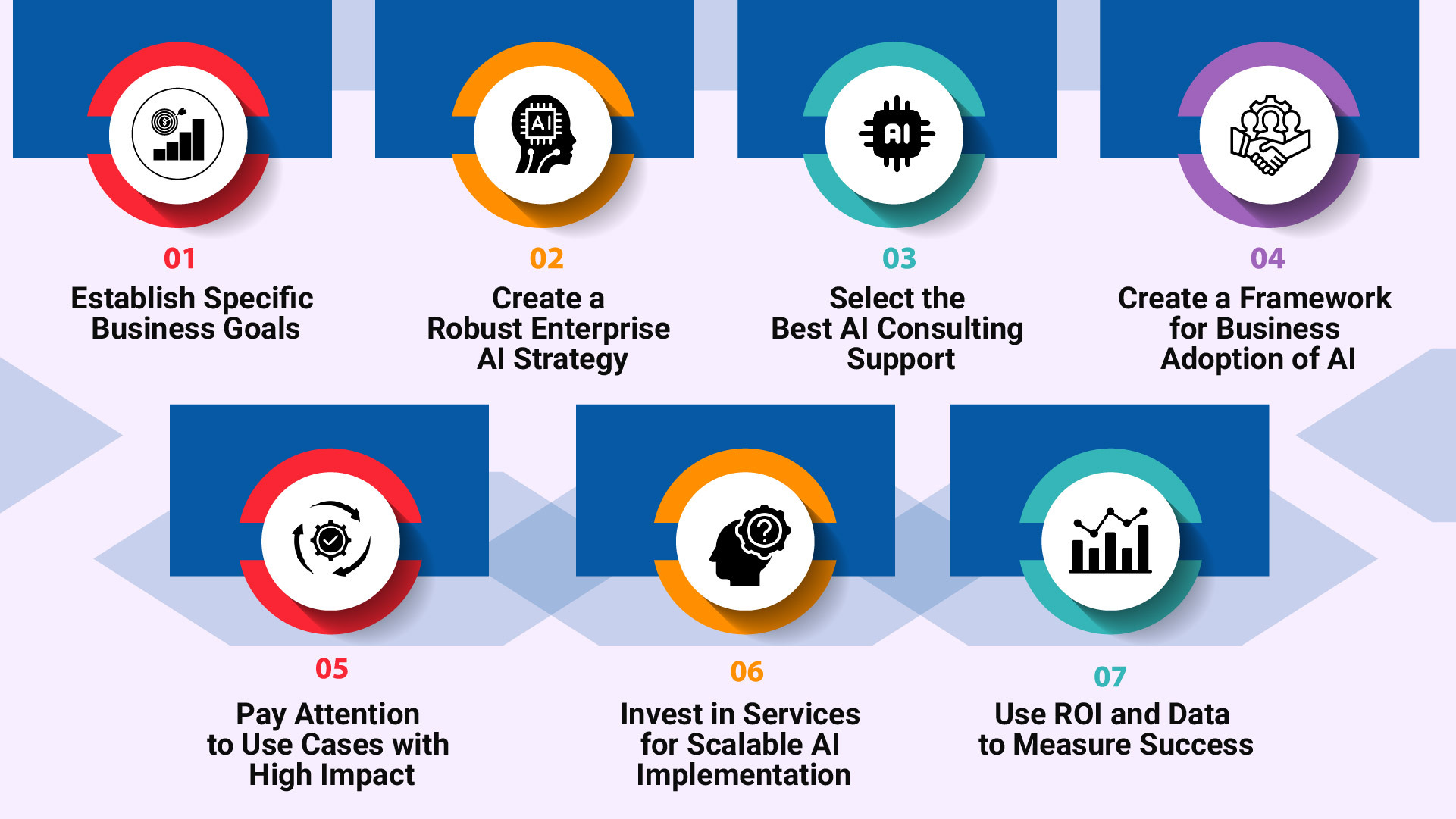
Restrict the initial rollout to a single asset class and a limited investor base. Monitor settlement latency, compliance reporting accuracy, and user experience. Use this phase to refine internal SOPs before scaling to broader enterprise adoption strategy execution.
Common rwa integration: what to check next
Enterprise adoption of Real World Assets (RWA) requires more than just technical infrastructure; it demands a clear strategic roadmap. Below are answers to the most frequent questions regarding how organizations integrate these assets into their core operations.
These questions highlight the shift from theoretical blockchain benefits to practical, high-stakes financial implementation. A robust strategy ensures that RWA integration supports your broader enterprise goals rather than operating as an isolated technical experiment.
No comments yet. Be the first to share your thoughts!