
What enterprise adoption means for Web3
Enterprise adoption isn’t about throwing tokens at a problem or building a blockchain from scratch. It’s the strategic integration of Web3 infrastructure into the layers your business already uses. Think of it like cloud computing in the early 2010s: companies didn’t replace their entire IT stack overnight. They bolted on scalable, decentralized resources where they made sense—storage, compute, or verification—and left the rest alone.
For enterprises, this means treating blockchain not as a destination, but as a utility layer. You might use a public ledger for immutable audit trails, a private chain for internal supply chain tracking, or smart contracts to automate compliance checks. The goal is to reduce friction, increase transparency, and lower operational costs without disrupting core business functions.
Note: Enterprise adoption is about strategic integration into business layers, not just deploying tokens.
This approach shifts the conversation from hype to measurable ROI. When done right, Web3 infrastructure becomes invisible to the end user but critical to the backend. It’s about building trust into the code, not just marketing it in the brochure. The enterprises winning today are those that ask, “Where does decentralization add value?” before asking, “How do we build a blockchain?”
The difference between a failed pilot and a scaled solution is usually this: one treats Web3 as a side project, the other as a core infrastructure component. Your guide to 2026 should focus on the latter—how to embed these tools into existing workflows, not replace them.
Building the infrastructure foundation
Enterprise adoption of Web3 requires more than just a smart contract; it demands a robust technical backbone that can withstand institutional scrutiny. Before deploying any on-chain logic, organizations must ensure their underlying infrastructure is secure, scalable, and capable of interacting with existing legacy systems. This is not a theoretical exercise—it is a prerequisite for operational reliability.
The first step is establishing a secure node infrastructure. Whether running your own nodes or using enterprise-grade API providers, you need redundancy and uptime guarantees that match traditional financial systems. Relying on public, unvetted endpoints introduces unacceptable latency and single points of failure. Security protocols must be hardened against common vector attacks, ensuring that the gateway between your internal data and the blockchain remains impenetrable.
Interoperability is the next critical hurdle. Most enterprises do not operate in a vacuum; they are embedded in complex ERP, CRM, and database ecosystems. Web3 infrastructure must bridge these silos through reliable oracles and middleware that translate on-chain events into actionable off-chain data. Without this bridge, blockchain data remains isolated, offering little practical value to business operations. The goal is seamless data flow, not just transactional capability.
To understand the market reality underpinning these infrastructure decisions, consider the performance trends of leading blockchain assets. These metrics often reflect broader network health, developer activity, and institutional interest—key indicators of ecosystem maturity.
Finally, governance and compliance frameworks must be baked into the infrastructure layer from day one. This includes implementing role-based access controls, audit trails, and data privacy measures that align with regulations like GDPR. Infrastructure that cannot be audited or regulated will never gain C-suite approval. Building this foundation correctly prevents costly re-architecting later, ensuring your Web3 strategy scales with your business needs rather than hindering them.
Define the adoption strategy
Enterprise adoption isn't a software installation; it's a behavioral shift. For Web3 infrastructure to deliver value, leadership must move beyond pilot programs and integrate these tools into core operational workflows. This requires a deliberate strategy that balances technical scoping with human-centric change management.
Start by identifying specific business problems that Web3 can solve, rather than forcing technology onto existing processes. Focus on areas where decentralization offers clear advantages, such as supply chain transparency, automated smart contract settlements, or secure data sharing. Limit initial scope to two or three high-value use cases to maintain focus and measure success accurately.

Adoption fails when there is no unified vision. Secure buy-in from C-suite executives, legal, compliance, and IT security early in the process. Create a cross-functional steering committee that meets regularly to review progress, address risks, and ensure that the Web3 strategy aligns with broader enterprise goals. This alignment prevents siloed efforts and ensures resources are allocated effectively.

Middle managers are the bridge between strategy and execution. Equip them with the training and authority to drive adoption within their teams. Provide them with clear metrics for success and the tools to support their staff. When managers understand the benefits and can articulate them to their teams, resistance drops significantly, and adoption becomes a natural part of the workflow.

Change management is the engine of adoption. Develop a communication plan that explains the "why" behind the Web3 initiative, not just the "how." Address employee concerns about job security and skill gaps proactively. Offer continuous training and support, and celebrate early wins to build momentum. A structured change management approach ensures that the technology is embraced rather than resisted.
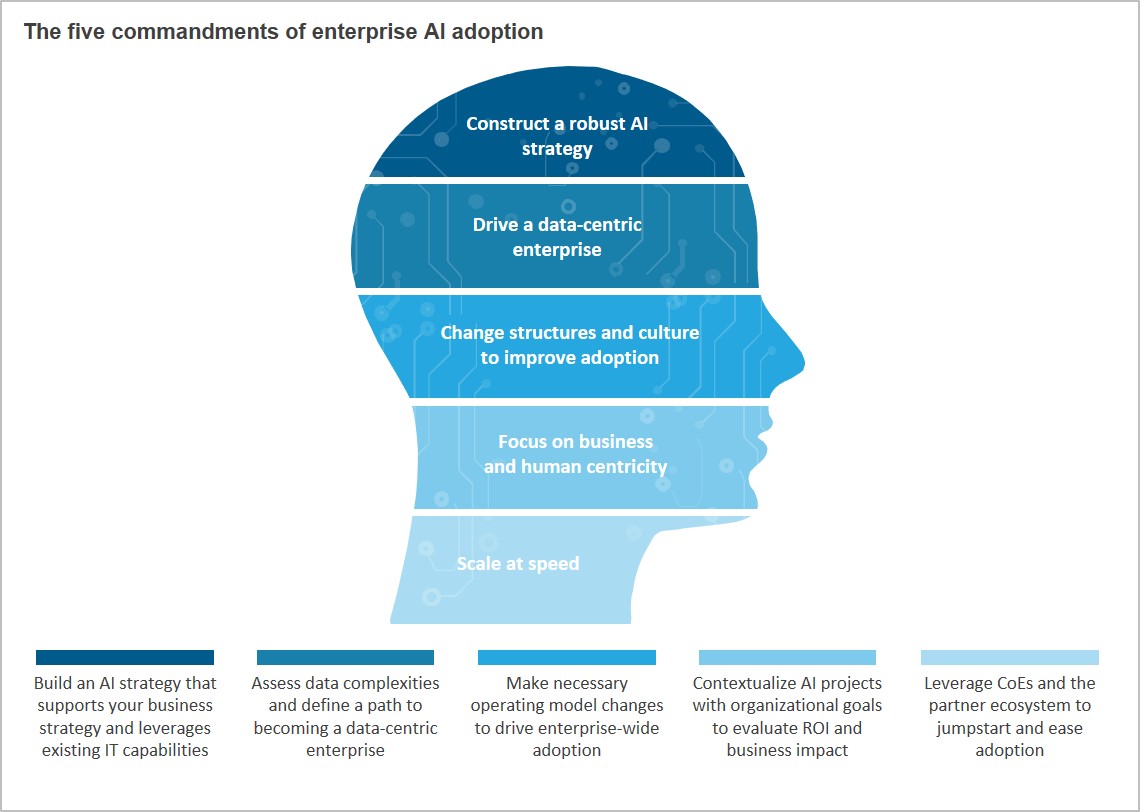
Define clear KPIs from the start, such as process efficiency gains, cost reductions, or error rate decreases. Regularly review these metrics to assess the impact of the Web3 infrastructure. Use this data to refine the strategy, address bottlenecks, and scale successful pilots. Continuous measurement ensures that the adoption effort remains aligned with business objectives and delivers tangible value.
By following these steps, enterprises can build a robust foundation for Web3 adoption that is both strategic and sustainable.
Conducting market research and ROI analysis
Before committing capital to Web3 infrastructure, you need to quantify the value proposition. Enterprise adoption isn't just about technology; it's about measuring efficiency gains and cost reductions against traditional legacy systems. Without clear metrics, these initiatives often stall in the proof-of-concept phase.
Start by mapping your current operational costs. Identify where blockchain or distributed ledger technology can remove intermediaries, reduce reconciliation time, or automate compliance. Compare these potential savings against the upfront costs of development, integration, and ongoing node maintenance. This baseline analysis is critical for justifying the investment to stakeholders who are accustomed to traditional IT spending models.
| Cost Factor | Traditional Enterprise IT | Web3 Infrastructure |
|---|---|---|
| Intermediary Fees | High (Banks, Clearing Houses) | Low (Protocol Fees) |
| Reconciliation | Manual/Daily Batch | Real-time/Shared Ledger |
| Integration Cost | High (API Silos) | Medium (Standardized Protocols) |
| Security Model | Centralized Perimeter | Cryptographic Verification |
Use this comparison to build a robust ROI model. Focus on tangible metrics like reduced transaction times, lower error rates, and decreased administrative overhead. If your research shows that Web3 solutions can cut processing costs by 20% or faster settlement times by 50%, you have a compelling case for adoption. This data-driven approach transforms Web3 from a speculative experiment into a strategic business decision.
Frequently asked questions about Web3 adoption
Enterprise adoption of Web3 infrastructure is often misunderstood as a speculative crypto play. In reality, it is a strategic integration of distributed ledger technology into core business layers to improve transparency and data integrity. This guide clarifies the primary drivers and definitions shaping 2026 enterprise strategy.
No comments yet. Be the first to share your thoughts!