Market signals in real-world asset tokenization
The conversation around real-world asset tokenization has shifted from theoretical pilots to tangible infrastructure. Early enthusiasm focused on the novelty of blockchain, but the current market signals indicate a pivot toward utility and integration. Institutions are no longer asking if they should tokenize assets; they are determining how to fit these digital instruments into existing compliance and risk frameworks.
This transition is visible in the capital flowing into the sector. Major financial entities are building the rails for tokenized treasuries, real estate, and private credit. The move is driven by the promise of liquidity and efficiency, but it is being tempered by the rigorous demands of enterprise-grade security and regulatory clarity. The infrastructure is becoming less experimental and more operational.
To understand the momentum, it helps to look at the broader market context. While specific tokenized asset volumes are still maturing, the underlying interest in digital assets remains strong. The chart below tracks the performance of a leading tokenized asset issuer, reflecting the market's appetite for regulated exposure to real-world yields.
Infrastructure requirements for scale
Enterprise-grade real-world asset (RWA) tokenization demands a technical foundation that mirrors the reliability of traditional banking systems. The infrastructure must support high throughput, zero downtime, and strict regulatory compliance. Without this backbone, tokenization remains a niche experiment rather than a scalable financial instrument.
Interoperability is the first hurdle. Assets must move seamlessly between permissioned ledgers and public chains without losing audit trails. This requires standardized protocols for identity verification (KYC/AML) and asset custody that function across different blockchain networks. A fragmented infrastructure creates liquidity silos, defeating the purpose of tokenization.
Security protocols must go beyond standard blockchain immutability. Enterprise systems require multi-signature wallets, hardware security modules (HSMs), and real-time fraud detection. The architecture must also support "circuit breakers"—automated pauses in transactions if suspicious activity is detected. This hybrid approach ensures that speed does not come at the cost of safety.
To visualize the shift in operational efficiency, consider the comparison between traditional settlement layers and tokenized alternatives. Traditional systems often rely on multi-day reconciliation cycles, while tokenized infrastructure enables near-instant finality.
The underlying technology stack must also handle the volume of transactions expected in mass adoption. This means robust node infrastructure and scalable database solutions for off-chain data storage. The goal is to make the blockchain invisible to the end-user while ensuring every transaction is verifiable and immutable.
Compliance and regulatory frameworks
Tokenizing real-world assets is not merely a technological upgrade; it is a legal restructuring of ownership. For enterprise adoption to scale, the underlying asset must exist within a clear regulatory perimeter. Ambiguity is the enemy of institutional capital. If a token cannot be classified, traced, or enforced under existing law, it remains a speculative instrument rather than a financial asset.
The primary hurdle is determining whether a token constitutes a security. In the United States, the Securities and Exchange Commission (SEC) applies the Howey Test to assess if an asset offers an expectation of profit derived from the efforts of others. If it does, the token must be registered or qualify for an exemption, bringing with it strict reporting and disclosure obligations. This framework ensures that tokenized securities are treated with the same rigor as traditional stocks or bonds.
Beyond classification, identity verification is non-negotiable. Know Your Customer (KYC) and Anti-Money Laundering (AML) protocols must be embedded into the token’s lifecycle. Unlike traditional markets where intermediaries handle these checks, blockchain-based systems require on-chain identity proofs or integration with regulated custodians who perform these duties off-chain. This ensures that every transfer of ownership is compliant, preventing illicit actors from exploiting the anonymity often associated with distributed ledgers.
The cost of compliance is high, but it is the price of entry for institutional players. Firms that build robust legal infrastructures from the start avoid the existential risk of regulatory shutdowns. As the market matures, we expect to see more standardized legal wrappers and clearer guidance from regulators, reducing the friction for large-scale adoption.
Risk management in high-stakes deployments
Tokenizing real-world assets moves digital infrastructure into the realm of physical value, where operational resilience is non-negotiable. Unlike speculative crypto assets, RWA tokens represent tangible liabilities or equity. A smart contract failure here does not just burn value; it breaks legal and financial obligations. Enterprise adoption demands a risk management framework that treats code as critical infrastructure, not experimental software.
Operational resilience begins with rigorous smart contract audits. Leading financial institutions require multiple independent audits from top-tier firms before any mainnet deployment. These audits are not one-time checks but part of a continuous verification process. Bug bounties and formal verification methods add layers of security, ensuring that the logic governing asset transfer matches the legal terms of the underlying agreement.
Liquidity management presents a different but equally critical challenge. RWA tokens often trade in thinner markets than major cryptocurrencies. Slippage can erode returns, and sudden volatility can trigger margin calls or liquidations in leveraged positions. Enterprises must structure liquidity pools with sufficient depth and use provider-backed tools to monitor real-time market conditions.
Using live data widgets allows risk managers to track stablecoin pegs and liquidity flows in real time. This visibility is essential for maintaining compliance and preventing systemic shocks. By integrating these tools, enterprises can ensure that their RWA strategies remain robust against both technical failures and market turbulence.
Enterprise Rollout Checklist for RWA Tokenization
Tokenizing real-world assets is less about the blockchain and more about bridging legacy finance with digital infrastructure. For CTOs and CFOs, the rollout requires a disciplined, phased approach that prioritizes compliance and security over speed. Treat this as an infrastructure migration, not a software update.
1. Assess Regulatory and Legal Readiness
Before writing a single line of code, map the legal jurisdiction of each asset. Real-world assets are subject to securities laws, property rights, and cross-border regulations. Engage legal counsel to determine if your tokenization structure qualifies as a security or utility. Ensure your smart contracts include built-in compliance mechanisms, such as whitelisting and transfer restrictions, to adhere to KYC/AML standards.
2. Select a Compliant Infrastructure Partner
Not all blockchains are created equal for enterprise finance. Evaluate potential partners based on their ability to provide institutional-grade custody, audit trails, and regulatory reporting. Look for platforms that offer privacy-preserving features and interoperability with existing banking systems. Avoid public, permissionless chains for sensitive asset data unless you have robust zero-knowledge proof implementations.
3. Define Liquidity and Market Maker Strategy
An illiquid token is a liability, not an asset. Partner with institutional market makers who understand both traditional finance (TradFi) and digital asset markets. Establish clear protocols for secondary trading, including order book management and settlement finality. Consider integrating with regulated digital asset exchanges to provide immediate liquidity for qualified investors.
4. Implement Robust Security and Audit Protocols
Smart contract vulnerabilities can lead to irreversible losses. Engage multiple independent audit firms to review your code before any mainnet deployment. Implement multi-signature wallets for treasury management and establish a bug bounty program. Regularly monitor on-chain activity for anomalies and maintain an incident response plan tailored to digital asset theft or protocol exploits.
5. Measure ROI and Iterate
Track key performance indicators (KPIs) such as transaction costs, settlement times, and investor adoption rates. Use this data to refine your strategy and expand the asset class. Tokenization is not a one-time event; it is an ongoing operational model that requires continuous optimization and regulatory adaptation.
Map legal jurisdictions and engage counsel to structure tokens as compliant securities or utilities with built-in KYC/AML restrictions.
Evaluate platforms for institutional custody, audit trails, and banking interoperability, prioritizing privacy and permissioned access.
Partner with institutional market makers and integrate with regulated exchanges to ensure secondary trading and settlement finality.
Secure multiple independent audits, use multi-sig wallets, and establish bug bounties and incident response plans for mainnet deployment.
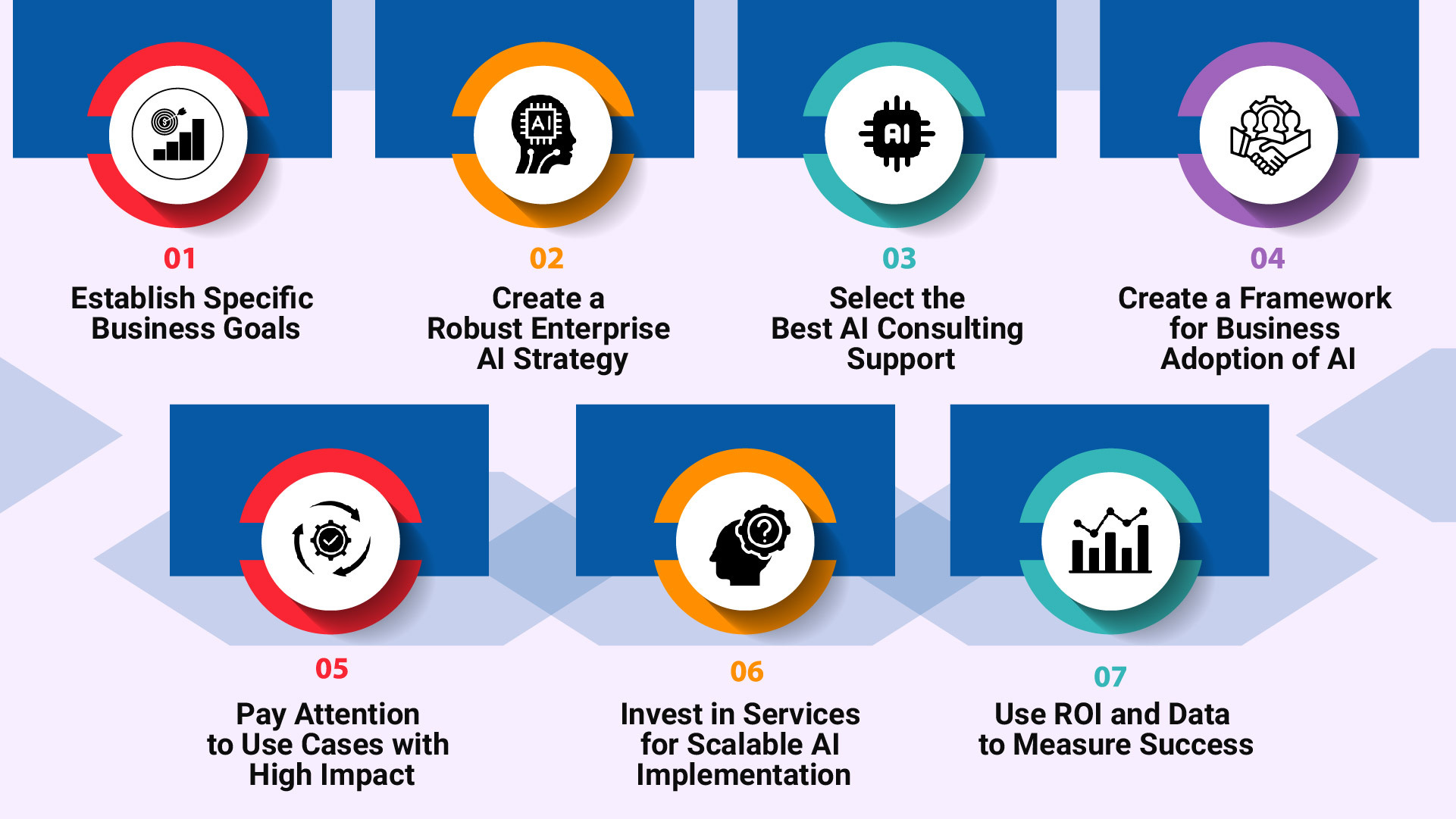
Track KPIs like transaction costs and adoption rates to refine the operational model and expand the asset class over time.
No comments yet. Be the first to share your thoughts!