Defining the 2026 enterprise adoption strategy
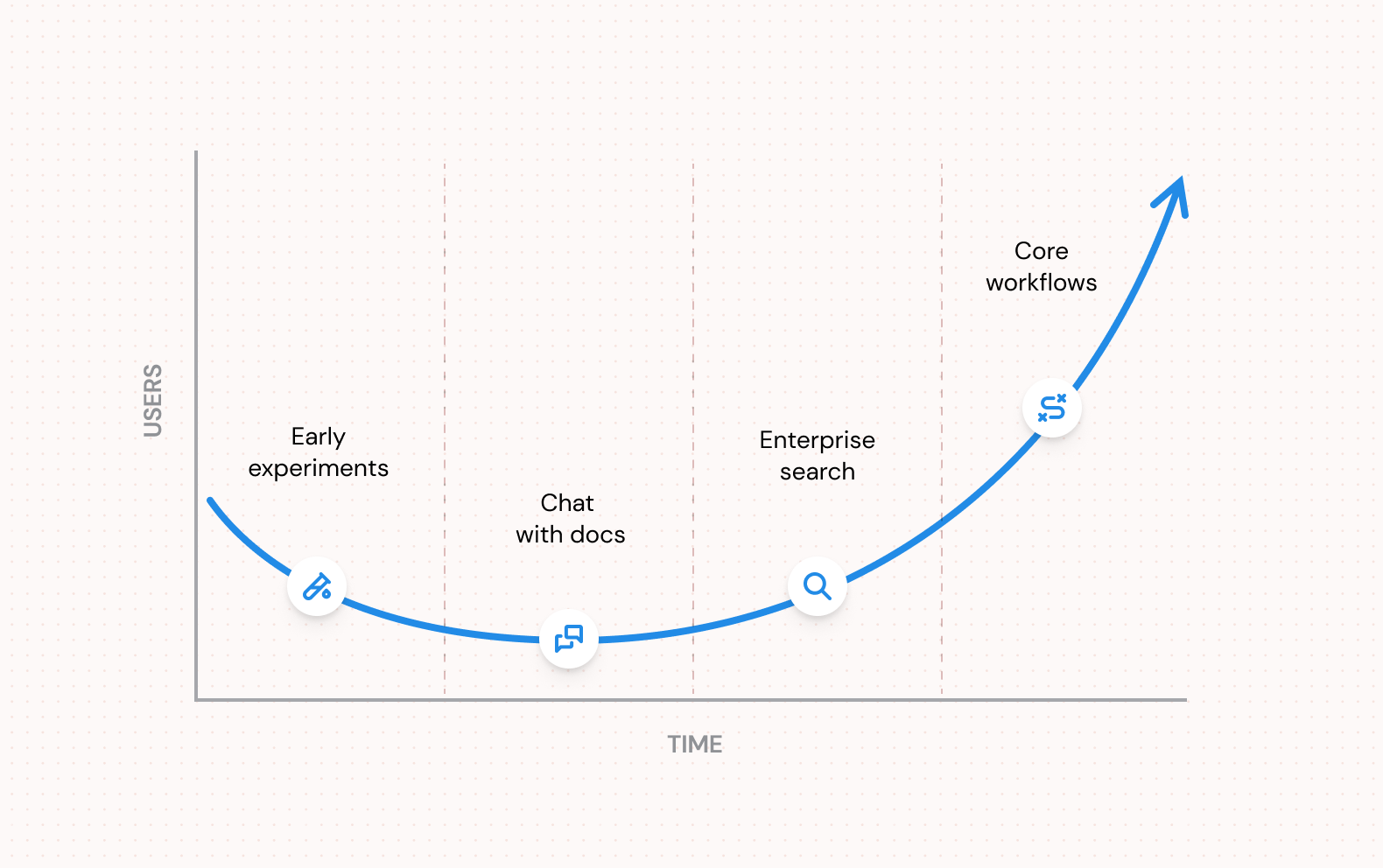
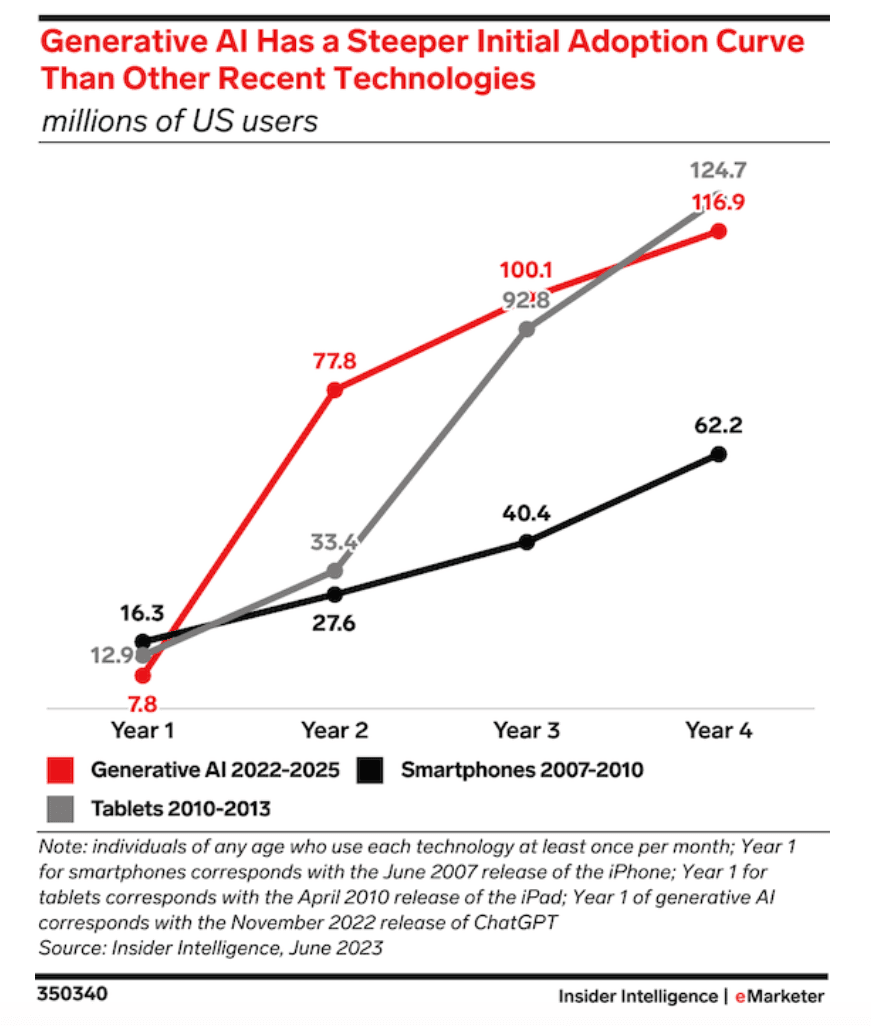
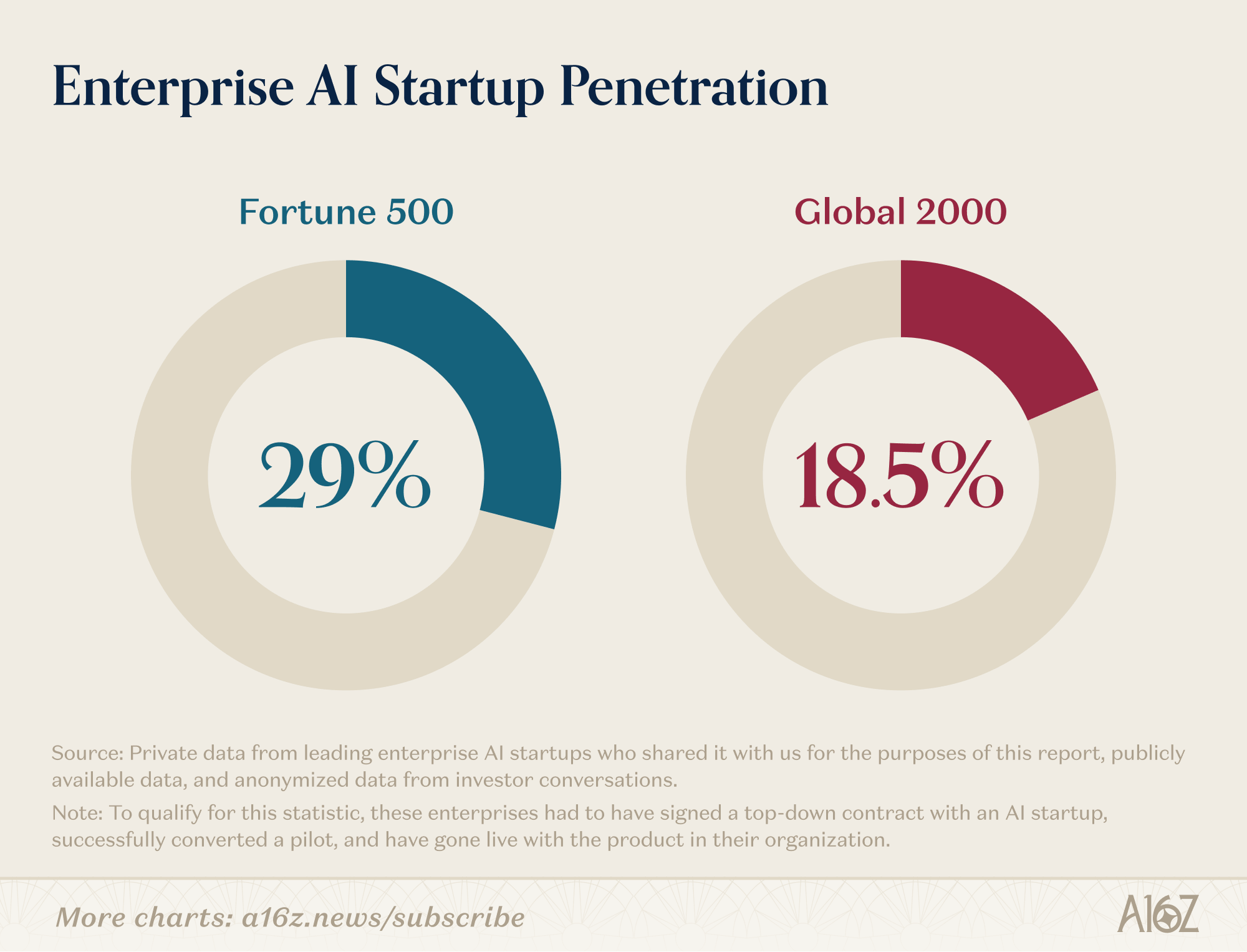
The era of treating artificial intelligence as a experimental side project is over. In 2026, enterprise adoption is no longer about pilot programs or isolated chatbot tests; it is about integrating autonomous agents into core workflows with strict governance. This shift marks the transition from AI as a novelty to AI as mission-critical infrastructure.
Early adoption metrics focused on vanity numbers: login counts and feature utilization. The current standard measures operational impact. According to industry analysis, true enterprise adoption involves embedding autonomous agents into daily business processes to handle complex tasks, such as 24/7 customer support or automated financial reconciliation [src-5]. The goal is not just to use AI, but to let it drive outcomes within defined boundaries.
This strategy requires a move away from generic "Copilot" dashboards toward specialized, high-stakes integration. Organizations must define clear success metrics that tie AI performance to revenue protection, risk mitigation, and operational efficiency. Without this structural foundation, AI remains a cost center rather than a strategic asset.
Mapping the enterprise adoption infrastructure
Building AI into an enterprise is less about the models themselves and more about the plumbing that carries them. Legacy IT systems were designed for stability and batch processing; AI infrastructure demands low-latency inference, massive data throughput, and continuous model retraining. Bridging this gap requires a deliberate architectural shift, not just a technology upgrade.
The backbone of this shift is a unified data fabric. Siloed data lakes are insufficient for enterprise-grade AI, which requires real-time access to clean, governed data across the organization. Microsoft’s Cloud Adoption Framework for AI emphasizes that governance and security must be baked into the strategy from day one, ensuring that every decision made above the surface has traceable controls in production [src-8]. Without this foundation, scalability becomes a bottleneck rather than an enabler.
Security and compliance are no longer afterthoughts. In high-stakes environments, data privacy and model integrity are non-negotiable. Infrastructure must support role-based access, encryption at rest and in transit, and audit trails for every model interaction. This creates a secure perimeter around AI workloads, allowing innovation to proceed without exposing the organization to regulatory or reputational risk.

Comparing legacy infrastructure to AI-ready environments highlights the scale of the change required. Legacy systems often rely on rigid, vertical scaling and manual governance, whereas AI-ready infrastructure demands horizontal scalability and automated policy enforcement.
| Feature | Legacy Infrastructure | AI-Ready Infrastructure |
|---|---|---|
| Data Handling | Batch-oriented, siloed | Real-time, unified fabric |
| Scalability | Vertical, hardware-bound | Horizontal, cloud-native |
| Governance | Manual, post-deployment | Automated, policy-as-code |
| Security | Perimeter-based | Zero-trust, identity-centric |
Executing the enterprise adoption strategy
Rolling out AI across a large organization is less about technology and more about change management. The gap between a pilot program and full-scale enterprise adoption often comes down to how well you manage the transition. This section outlines the operational workflow for moving from initial scoping to empowering the managers who will drive daily usage.
Start by identifying high-impact, low-risk problems. Don't boil the ocean. Pick two or three use cases where AI can deliver measurable value quickly, such as automating internal documentation or enhancing customer support triage. This focused approach builds early momentum and provides concrete data to justify further investment.
Deploy your chosen tools to a small, cross-functional team. This pilot phase is critical for testing integration with existing workflows and identifying friction points. Treat this as a controlled experiment: gather feedback, measure time saved, and refine the tool's configuration before any broader rollout.
Middle managers are the linchpin of adoption. If they don't understand the value or how to guide their teams, the initiative will stall. Provide them with specific training on how to evaluate AI output for accuracy and bias. Give them the authority to adjust workflows and the confidence to model best practices for their direct reports.
Once the pilot proves successful, roll out comprehensive training to the wider organization. This isn't just about teaching tool features; it's about shifting the mindset toward AI-augmented work. Offer tiered training modules: basic literacy for all employees, and advanced prompt engineering or workflow integration for power users.
Adoption is not a one-time event. Establish clear KPIs to track usage, productivity gains, and error rates. Regularly review these metrics with department heads to identify areas where support is needed. Continuous feedback loops ensure the technology evolves with the business needs, preventing stagnation or underutilization.
This structured approach minimizes risk while maximizing the chances of long-term success. By focusing on people and processes first, you create a foundation where the technology can truly thrive.
Measuring enterprise AI success beyond login counts
Tracking adoption requires shifting focus from vanity metrics to tangible business outcomes. Login counts tell you who signed up; they do not tell you if the technology is solving problems or creating friction. To justify the infrastructure investment, you must measure how AI integrates into existing workflows.
Start by defining success criteria before deployment. If the goal is efficiency, measure time saved per task. If the goal is quality, measure error reduction or output accuracy. These metrics require baseline data from pre-adoption periods. Without a baseline, you cannot prove improvement.
Usage depth matters more than breadth. A user who runs one complex analysis daily provides more value than ten users who run simple queries once a week. Track feature adoption rates, session duration, and repeat usage patterns. This data reveals whether the tool is becoming a daily habit or a novelty.
Integrate these metrics into your existing reporting dashboards. Do not create siloed AI reports that decision-makers ignore. Tie AI usage directly to departmental KPIs. This alignment ensures that adoption is viewed as a strategic asset, not just an IT project.
No comments yet. Be the first to share your thoughts!