What enterprise adoption actually means
Enterprise adoption is not a software installation; it is the integration of autonomous agents and AI tools into core business workflows. Moving beyond pilot projects requires shifting focus from login counts to measurable operational integration. This process involves aligning technology with governance, security protocols, and existing infrastructure to ensure stable, scalable performance across the organization.
The goal is to embed these systems so they function as standard operational components rather than experimental add-ons. This means addressing data sovereignty, compliance requirements, and change management alongside technical deployment. When done correctly, adoption reduces operational friction and delivers consistent value, such as 24/7 support capabilities and significant efficiency gains.
This guide focuses on the practical steps required to achieve that level of integration. We will examine the infrastructure, tools, and strategic frameworks needed to move from initial testing to full-scale enterprise deployment in 2026.
Scoping your ai adoption initiative
Before committing budget to infrastructure or purchasing new tools, leaders must define the boundaries of their AI initiative. This phase is about identifying high-value use cases that align with business objectives and establishing the governance frameworks required to deploy them safely. Skipping this step often leads to fragmented pilots that fail to scale or create security vulnerabilities.
Start by auditing your current data landscape. AI models are only as effective as the data they consume. Identify which datasets are clean, accessible, and relevant to your strategic goals. Simultaneously, map out the decision-making hierarchy for AI outputs. Who approves the results? How is liability assigned if an automated decision causes harm? These questions must be answered before a single line of code is written.
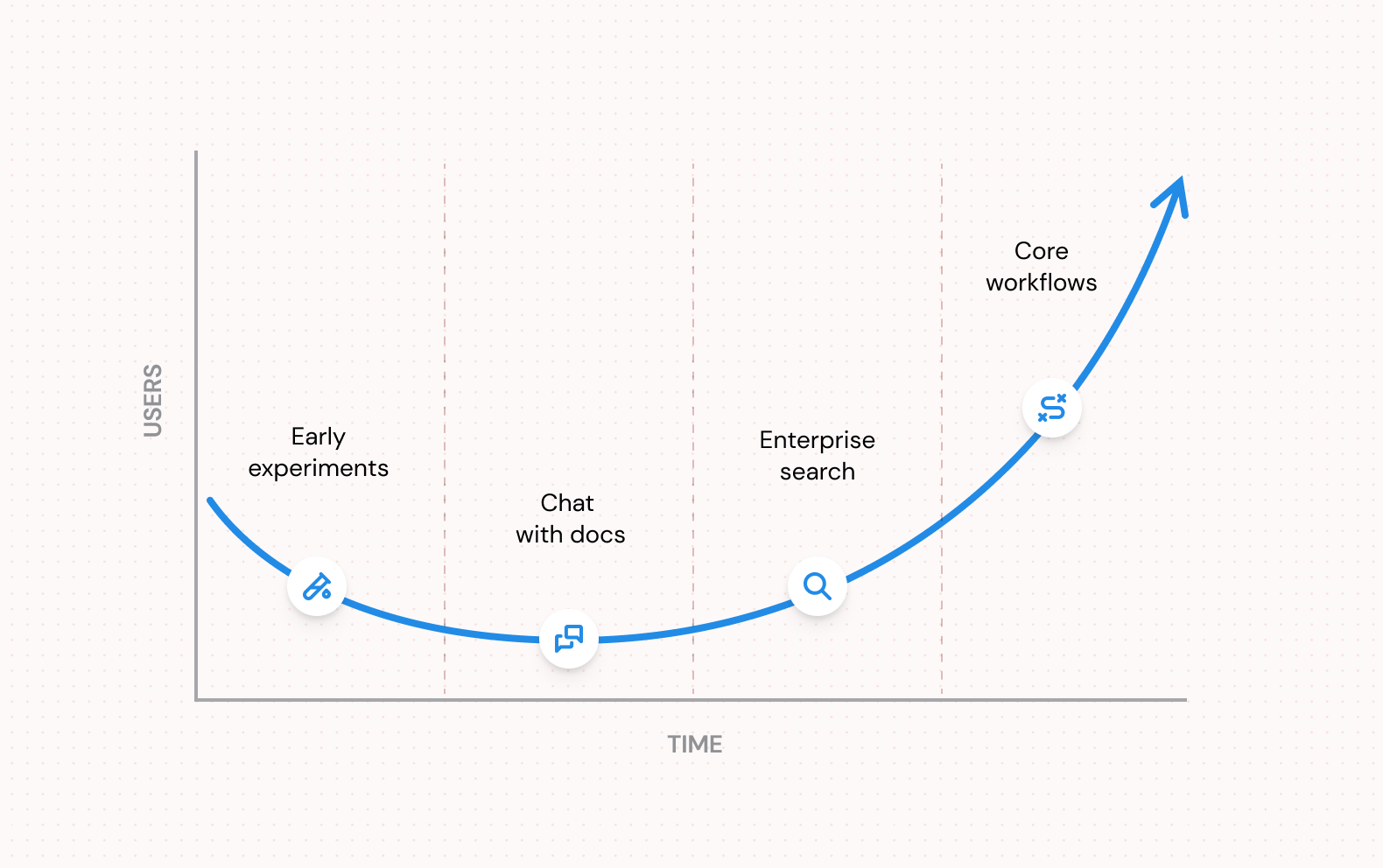
The AI Enterprise Adoption Curve illustrates how organizations move from experimentation to scaled integration. Early adopters often stall because they focus on technology rather than process. To avoid this, create a cross-functional team including IT, legal, and operations. This group should draft a preliminary charter that outlines scope, success metrics, and risk tolerance.
Microsoft’s Cloud Adoption Framework provides structured checklists for setting an AI strategy, emphasizing that governance and security must be baked into the initial design rather than added later. Use their guidance to stress-test your assumptions. If you cannot clearly articulate the business value and the control mechanisms, the use case is not ready for production.
Pre-adoption readiness checklist
Use this checklist to validate your initiative before moving to the procurement phase:
-
Use Case Definition: Is the problem specific, measurable, and tied to a core business metric?
-
Data Availability: Are the necessary datasets accessible, compliant, and of sufficient quality?
-
Governance Framework: Have roles, responsibilities, and approval workflows been documented?
-
Risk Assessment: Has legal reviewed potential liabilities, including bias and data privacy concerns?
-
Stakeholder Alignment: Do IT, operations, and executive leadership agree on the scope and budget?
If any item is unchecked, pause and address the gap. A well-scoped initiative takes more time upfront but prevents costly rework and integration failures down the line.
Building the infrastructure foundation
Enterprise AI adoption stalls when infrastructure cannot keep pace with model complexity. Secure, scalable infrastructure requires a clear architecture that balances cloud flexibility with on-premises control. This foundation supports everything from data ingestion to model deployment, ensuring that AI initiatives deliver measurable value without compromising security.
Cloud vs. on-premises considerations
The choice between cloud, on-premises, or hybrid environments depends on data sensitivity, latency requirements, and existing IT investments. Cloud providers offer rapid scalability and managed AI services, reducing the operational burden on internal teams. However, industries with strict data residency or compliance needs often require on-premises or hybrid setups to keep sensitive data within controlled boundaries.
A hybrid approach is increasingly common, leveraging cloud compute for training large models while keeping inference or sensitive data processing on-premises. This strategy allows organizations to optimize costs and performance while maintaining regulatory compliance. Microsoft’s Cloud Adoption Framework provides detailed guidance on structuring AI strategies within enterprise environments, emphasizing governance and security from the outset.
Data pipelines and governance
AI models are only as good as the data they consume. Robust data pipelines ensure that high-quality, labeled data flows seamlessly from source to model training environments. This involves cleaning, transforming, and storing data in formats that machine learning frameworks can efficiently process. Without reliable pipelines, even the most sophisticated models will produce inaccurate or biased results.
Governance is equally critical. Data lineage, access controls, and audit trails must be established early to support transparency and accountability. As AI systems become more integrated into business operations, the ability to trace decisions back to their data sources becomes essential for risk management and regulatory compliance.

Measuring infrastructure readiness
Before deploying AI at scale, organizations should assess their current infrastructure capabilities. This includes evaluating compute resources, storage capacity, network bandwidth, and security protocols. A readiness assessment helps identify gaps and prioritize investments that will yield the highest impact.
Technical charting tools can help visualize trends in enterprise AI infrastructure spending, providing context for budget planning and resource allocation. Understanding market trends and internal readiness ensures that infrastructure investments align with strategic AI goals.
Selecting enterprise ai tools
Picking the right AI platform isn't about finding the flashiest demo; it's about ensuring the tool survives contact with your existing infrastructure. Most enterprise AI projects stall not because the model is weak, but because it can't talk to legacy systems or meet strict security audits.
Focus your evaluation on four pillars: security compliance, integration depth, total cost of ownership, and scalability. A tool that requires a complete data warehouse overhaul is a liability, not an asset. You need solutions that slot into your current stack with minimal friction.
| Criteria | What to Look For | Red Flags |
|---|---|---|
| Security | SOC 2 Type II, ISO 27001, data residency controls | Vague compliance statements, no audit reports |
| Integration | Native APIs for Salesforce, SAP, or custom ERPs | Requires heavy middleware or custom coding |
| Cost | Predictable per-seat or usage-based pricing | Hidden data processing fees, vague SLAs |
| Scalability | Proven handling of concurrent enterprise workloads | No case studies from similar-sized firms |
Use this table to score vendors objectively. If a provider can't clearly articulate their integration path or security posture, move to the next option. The goal is a tool that accelerates work, not one that creates new bottlenecks.
Launching and scaling enterprise AI adoption
Rolling out AI tools across an organization requires more than just installing software; it demands a structured approach to change management and continuous training. The goal is to move from pilot projects to widespread, sustainable usage without disrupting core operations.
Select a small, cross-functional team to test the AI tools first. This group should include both early adopters and skeptics to gather diverse feedback. Use this phase to identify technical glitches and workflow bottlenecks before a wider release.
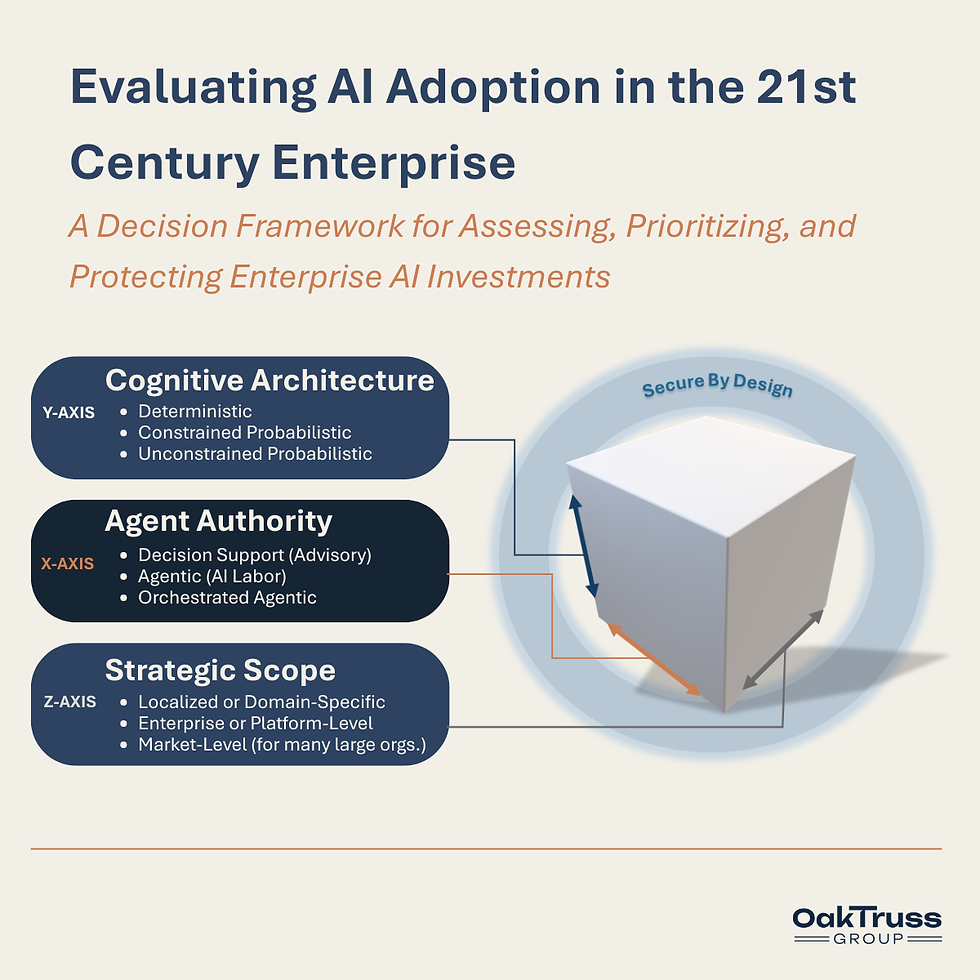
Managers are the critical link in adoption. Provide them with specific training on how to integrate AI into their team’s daily tasks. When leaders demonstrate confidence and practical use cases, their teams are significantly more likely to follow suit.
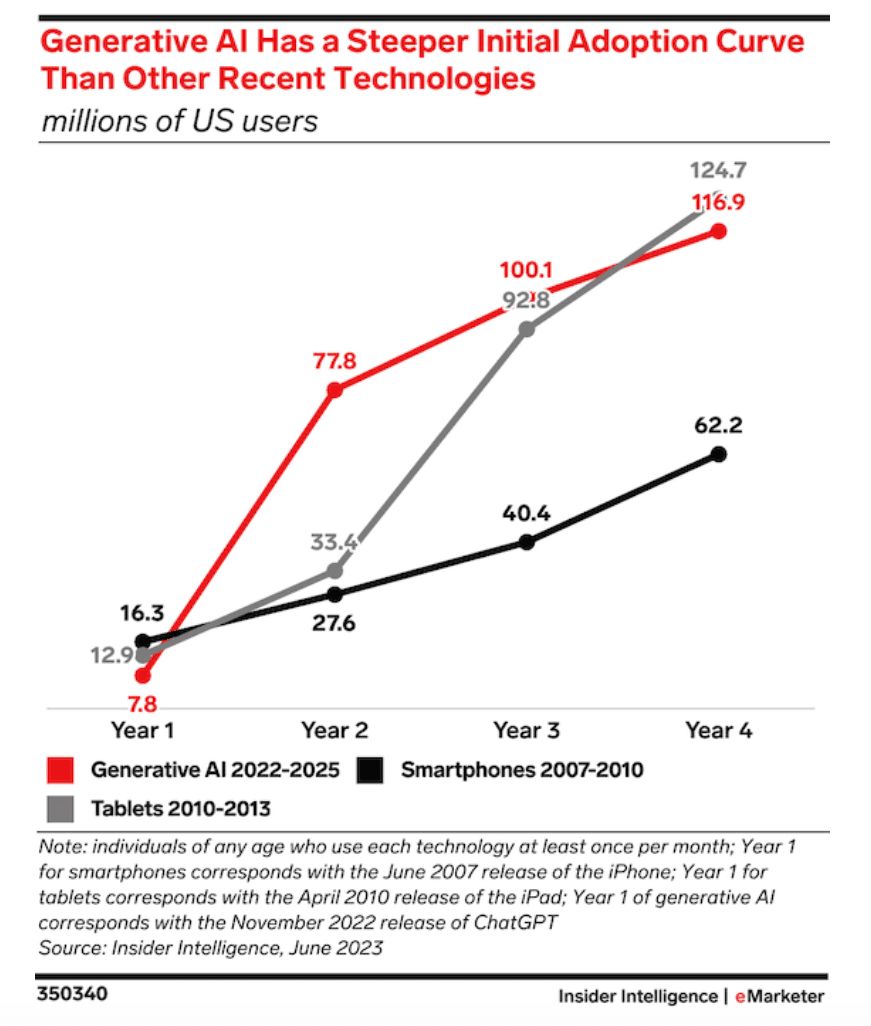
One-time training sessions are insufficient for long-term success. Create a central hub with tutorials, best practices, and troubleshooting guides. Encourage ongoing education by highlighting new features and advanced use cases as the tools evolve.
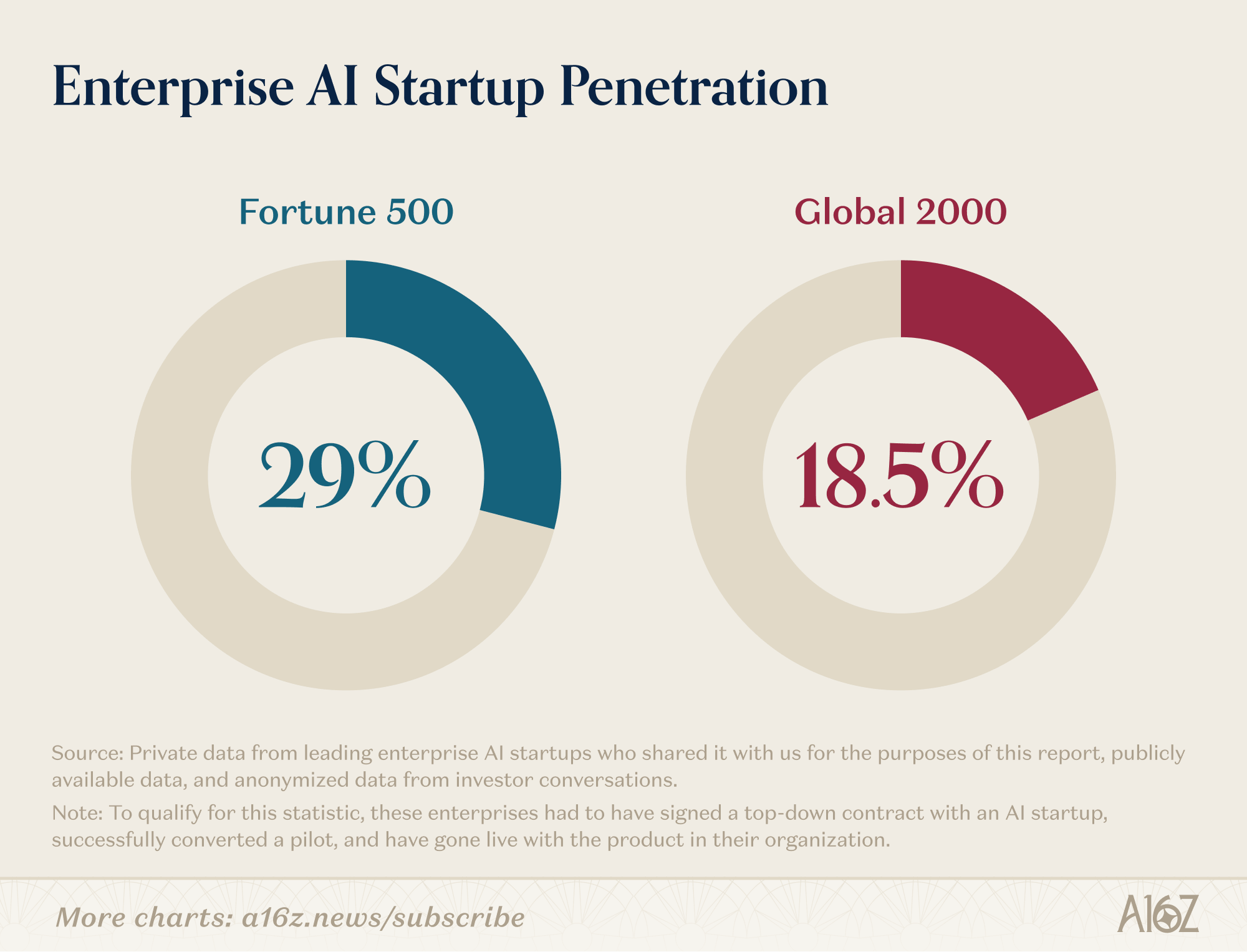
Track key metrics such as active user counts, task completion times, and error rates. Regularly review this data to understand what is working and where users are struggling. Use these insights to refine training materials and adjust the rollout strategy.
By following these steps, organizations can build a robust foundation for AI integration. This methodical approach ensures that technology serves the business goals rather than becoming a burden on the workforce.
Helpful gear
Use these product recommendations as a starting point, then choose the size, material, and price point that fit how you actually use the gear.


As an Amazon Associate, we may earn from qualifying purchases.
No comments yet. Be the first to share your thoughts!