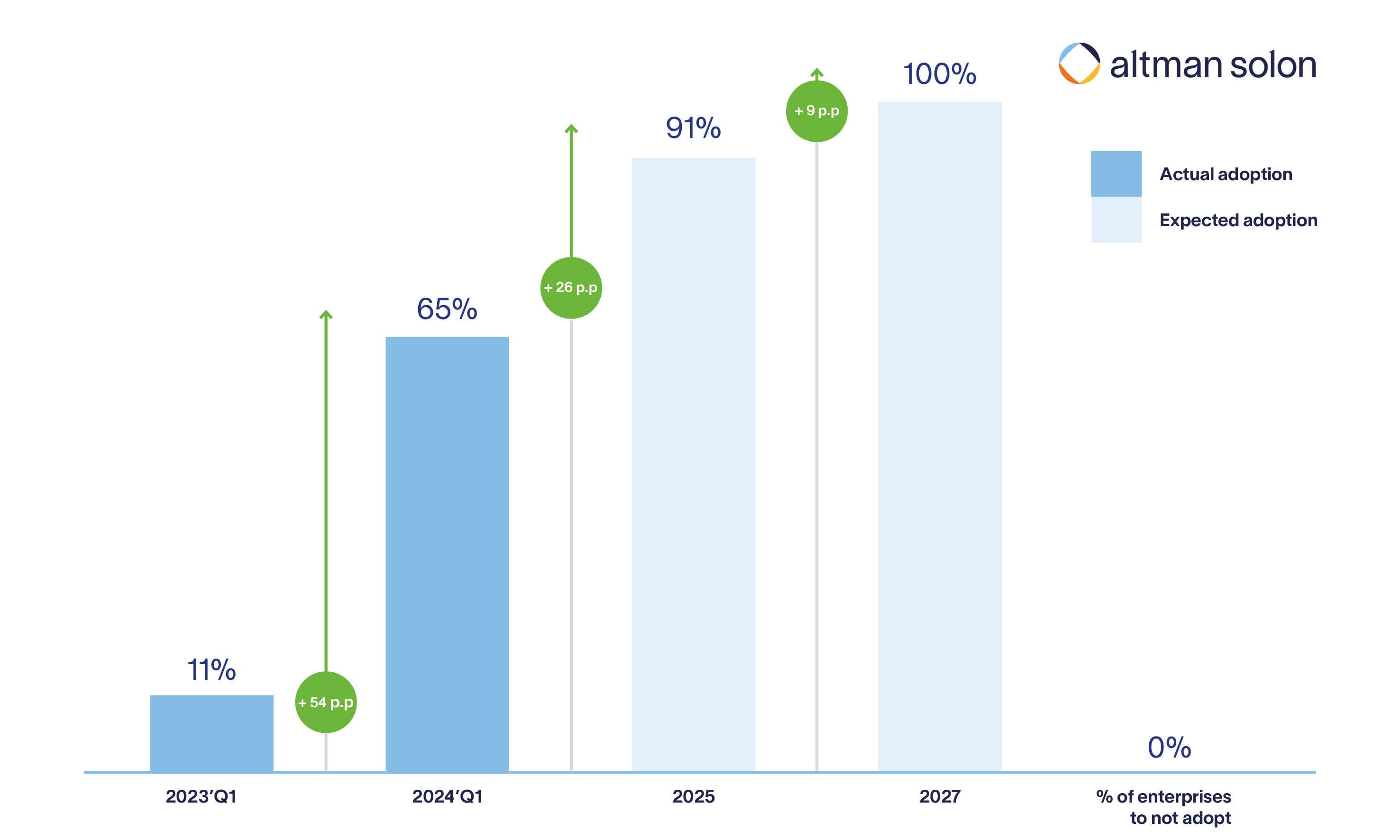
Enterprise adoption limits to account for
Treat this step as a welfare screen for Enterprise Adoption. Compare the source, the animal's visible condition, the seller's care knowledge, the paperwork, and the transport plan before you commit. A good purchase path should make the dragon's health easier to verify, not harder.
Pause before paying if any part of the chain is unclear. Confirm the exact animal, pickup or shipping timing, heat-pack plan when relevant, return policy, and the supplies you need at home for the first week.
Enterprise adoption choices that change the plan
Scaling Web3 infrastructure is rarely a single purchase; it is a phased rollout that moves from isolated pilots to production-grade systems. To avoid the common pitfall of pilot purgatory, teams must map their current maturity against clear operational milestones.
1. Define the production boundary
Move beyond proof-of-concept environments by establishing a strict perimeter for initial deployment. Identify which specific business processes benefit most from decentralized ledgers or smart contracts, such as supply chain tracking or tokenized asset management. This boundary prevents scope creep and ensures that early resources are concentrated on high-impact, manageable use cases.
2. Audit existing infrastructure compatibility
Web3 tools rarely replace legacy systems entirely; they integrate alongside them. Map your current API endpoints, data storage solutions, and identity management systems against the requirements of your chosen Web3 protocol. Look for compatibility gaps early, particularly around data latency and transaction finality, to determine whether middleware or bridge solutions are necessary.
3. Select a phased integration path
Adopt a sequential rollout strategy rather than a "big bang" launch. Start with read-only access to blockchain data to verify data integrity without exposing your system to write-side risks. Once stability is confirmed, introduce write capabilities for non-critical transactions, gradually expanding to full transactional authority as monitoring and security protocols mature.
4. Implement rigorous monitoring and governance
Production Web3 infrastructure requires specialized observability tools. Deploy monitoring for gas costs, node health, and smart contract events in real time. Establish clear governance rules for who can propose, test, and deploy smart contract updates. This layer of control is essential for maintaining security and operational continuity as your adoption scales.
Key Takeaways
- Focus on specific, high-impact use cases to define a clear production boundary.
- Audit legacy system compatibility to identify necessary middleware or bridges.
- Roll out capabilities sequentially, starting with read-only access.
- Implement specialized monitoring and strict governance for operational safety.


As an Amazon Associate, we may earn from qualifying purchases.
Spotting Weak Options and Misleading Claims
Enterprise Web3 infrastructure often looks robust on paper but fails under load. The gap between pilot promises and production reality is where most scaling efforts break. Avoid tools that rely on vague "enterprise-ready" labels without concrete benchmarks.
Common Red Flags
First, watch for platforms claiming instant scalability without detailing their consensus mechanisms. True throughput requires trade-offs in decentralization or latency. If a vendor promises unlimited TPS without explaining the validator set or finality time, treat it as a warning sign.
Second, ignore solutions that obscure their data availability layers. Many "Layer 2" projects hide high costs or slow withdrawal times in their documentation. Check if the data is archived on-chain or stored off-chain with centralized oracles. Off-chain storage introduces single points of failure that contradict Web3’s core value.
Finally, verify security audits from reputable firms like Trail of Bits or OpenZeppelin. A self-reported audit or a small, unknown firm’s stamp offers little protection. Look for bug bounty programs with significant prize pools, as they indicate active community scrutiny. Without these, your infrastructure is vulnerable to exploits that could drain funds or halt operations.
Enterprise adoption: what to check next
Before committing capital to Web3 infrastructure, leadership teams typically confront a specific set of operational and financial hurdles. The following answers address the practical objections that most often stall pilot-to-production transitions.
No comments yet. Be the first to share your thoughts!